Yeasted Dumplings with Sour Cherries
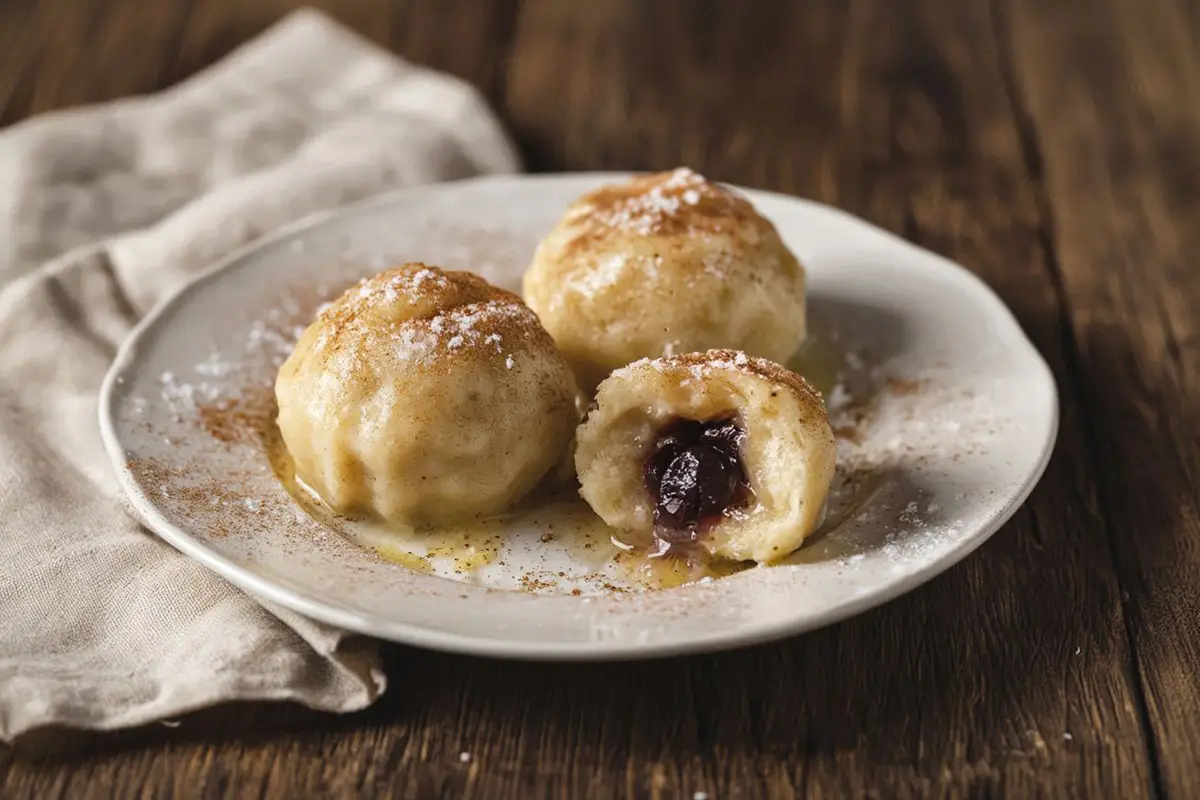
Soft yeasted dumplings filled with pitted sour cherries, boiled and served with melted butter, cinnamon, and sugar.
Quick Summary
Soft yeasted dumplings filled with pitted sour cherries, boiled and served with melted butter, cinnamon, and sugar.
Historical recipe
Modernised adaptation of an early 20th‑century source. Not independently kitchen-tested by Attic Recipes. Quantities, temperatures, and food safety guidance have been updated for a contemporary kitchen — results may vary and errors may exist. Nutritional values, where provided, are estimates only and have not been laboratory tested. Always follow current food safety guidelines for your region. If you have a health condition, allergy, or dietary requirement, consult a qualified professional before preparing this recipe.
Use of this recipe is entirely at your own risk and subject to our Terms of Service and Privacy Policy. Attic Recipes accepts no liability for any adverse outcome.
- Dairy
- Eggs
- Gluten
Additional notes
-
Note
Contains eggs (whole egg and yolks in the dough). Dumplings are fully cooked by boiling; no raw egg risk in the finished dish.
-
Note
High in saturated fat due to the 250g melted butter serving. Reduce butter to 100–150g for a lighter version without significantly affecting the dish.
-
Caution
Sour cherries contain natural fruit acids. Cherry pits must be fully removed before use — residual pit fragments are a choking hazard, particularly for children.
Use a dedicated cherry pitter for thorough, consistent pitting. Check each cherry by hand after pitting.
- 1
Make the yeast starter: crumble the fresh yeast into 30ml of lukewarm milk. Add a pinch of salt and 1 tablespoon of flour, stir into a paste, and leave in a warm place for 8–10 minutes until foamy and risen.
Tip The yeast starter is ready when it has visibly puffed and smells yeasty. If it does not foam, the yeast may be old — do not proceed with dead yeast. - 2
In a large bowl, combine the softened butter or lard, whole egg, 2 egg yolks, and 1 tablespoon of sugar. Add the risen yeast starter and mix well. Gradually incorporate the 500g of flour, adding lukewarm milk as needed, and work the dough by hand or with a dough hook until it is smooth, elastic, and pulls cleanly away from the sides of the bowl with visible blisters forming on the surface.
Tip This dough should feel like a soft donut dough — tacky but not wet. The blister formation is the sign that the gluten is properly developed. - 3
Cover the bowl with a clean cloth and leave in a warm, draft-free place to rise until doubled in size, approximately 45–60 minutes.
Tip A switched-off oven with just the light on works well as a proofing environment. - 4
While the dough rises, pit the sour cherries and drain them thoroughly in a colander. Press gently to remove excess juice — wet cherries will make the dumplings soggy and may cause them to burst during cooking.
- 5
Turn the risen dough onto a well-floured surface. Roll out gently and cut or divide into 12–15 equal pieces. Stretch each piece lightly with your hands into a rough circle.
- 6
Place 6–8 pitted sour cherries in the center of each piece. Fold the dough up on all sides and pinch firmly to seal, shaping into a smooth ball. Place seam-side down on a floured surface and leave to rest for 10 minutes.
Tip Seal the dumplings tightly — any gap will allow cherry juice to escape into the cooking water, and the dumpling may split open. - 7
Bring a large pot of water to a full boil and add 1 teaspoon of salt. Lower the dumplings in batches — no more than 4–5 at a time — so they have room to expand. They will sink initially, then rise to the surface. Cook for a minimum of 1 minute after they surface, or until the dough feels cooked through when pressed gently, approximately 3–5 minutes total per batch.
Tip Do not crowd the pot. Overcrowding lowers the water temperature and causes the dumplings to stick together. - 8
Remove with a slotted spoon, drain well, and transfer immediately to a warm porcelain or deep serving plate.
- 9
Pour the melted butter generously over the hot dumplings. Sprinkle with sugar and ground cinnamon. Serve immediately.
Tip Have the melted butter ready and hot before the first batch comes out of the water — these must be served right away.
Nutrition Information per 1 dumpling (approx. 115g)
Nutritional values are approximate estimates and may vary based on specific ingredients used, preparation methods, and portion sizes.
Serving Suggestions
Serve immediately from the pot — these do not hold well. Best eaten the day they are made. Traditionally served as a main dish at lunch rather than as a dessert, though they work equally well as a sweet course. A side of cold sour cream or crème fraîche alongside the butter and cinnamon sugar is a common regional variation.
About This Recipe
These are knedle — soft, yeasted dumplings wrapped around a pocket of sour cherries, boiled until just cooked through, and finished with a generous pour of melted butter and a dusting of cinnamon sugar. The dough is enriched with egg yolks and fat, giving it a tender, yielding texture closer to a brioche than a bread dumpling. The sour cherries provide sharp contrast to the rich dough and butter. In Central European households of the early 20th century, a plate of these at midday was a meal in itself.
Why It Works
The yeast in this dough does double work: it leavens the dumpling during the rest after shaping, and it gives the boiled dough a lightness that unleavened dumpling doughs cannot achieve. The egg yolks tenderize the crumb and add richness, while the small amount of fat (butter or lard) keeps the dough pliable and easy to seal around the fruit. Draining the cherries thoroughly before filling is not optional — excess juice turns to steam during cooking, which builds pressure inside the dumpling and causes it to burst. A well-sealed, well-drained dumpling will hold its shape through the entire cooking time and arrive on the plate intact.
Troubleshooting
Dumplings burst open during cooking: The seal was not tight enough, or the cherries were not drained sufficiently. Pinch the seam firmly and double-fold if needed. Press drained cherries in a clean cloth before filling.
Dough is too sticky to shape: Add flour to the board gradually rather than to the dough itself. Over-flouring the dough directly will tighten it and make it tough.
Dumplings are doughy inside: The cooking time was too short, or the water was not at a full boil when the dumplings went in. Always start with vigorously boiling water and cook for at least 1 minute after they rise to the surface.
A classic of early 20th century home cooking, preserved and adapted for the modern kitchen.
The Story Behind This Recipe
Historical Context
Yeasted fruit dumplings filled with stone fruit — plums, cherries, apricots — were a staple of Central European home cooking in the early 20th century, served as a main dish at midday rather than as a dessert. The technique of enriching a yeast dough with egg yolks and fat for boiled dumplings reflects the Austrian culinary influence that spread across the region during this period, adapted to local ingredients and seasonal fruit.
Modern Kitchen Adaptation
Frozen sour cherries (thawed and thoroughly drained) work equally well out of season. The 250g of melted butter for 12–15 dumplings is generous but authentic — reduce to 150g if preferred, though the richness is part of the character of the dish.
This recipe is an independent modern adaptation developed from historical sources in the public domain. It is provided for informational and educational purposes only and does not constitute professional dietary, nutritional, or medical advice. Food preparation involves inherent risks. The reader assumes full responsibility for safe food handling, ingredient sourcing, and adherence to current local food safety guidelines. The site operator accepts no liability for outcomes resulting from the preparation or consumption of this recipe.
One recipe.
Every week.
You Might Also Like
More recipes from the same category
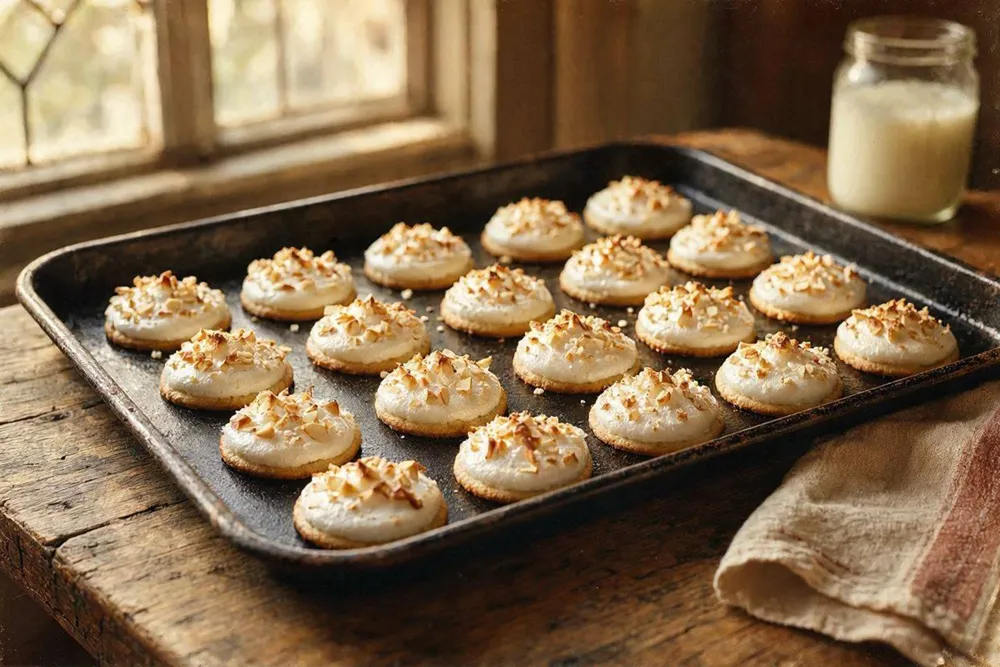
Almond Gurabije Cookies
Small lemon-scented cookies made with lard and egg yolk, indented in the center, coated in whipped egg white, and rolled in sugar and chopped almonds.
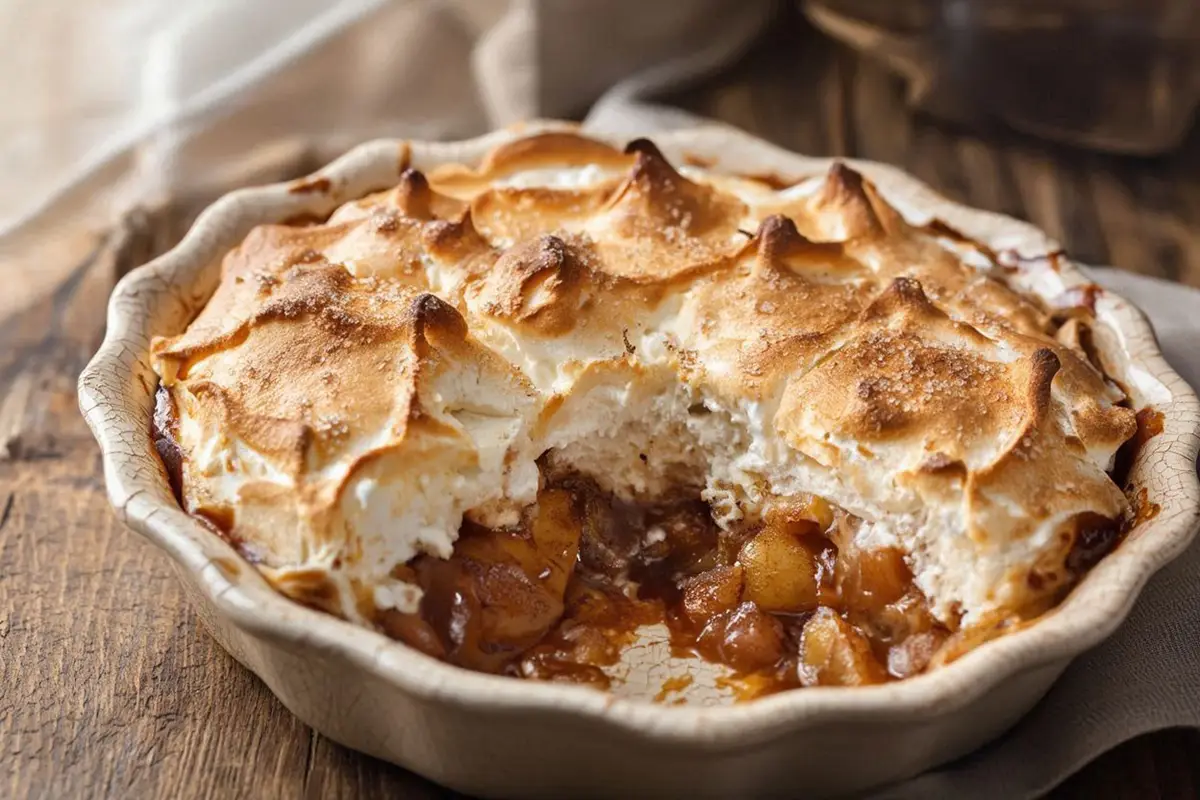
Velvet Apple & Meringue Gratin
A decadent vintage dessert featuring apples slow-cooked in a butter-sugar syrup, topped with a cloud of lemon-scented meringue.
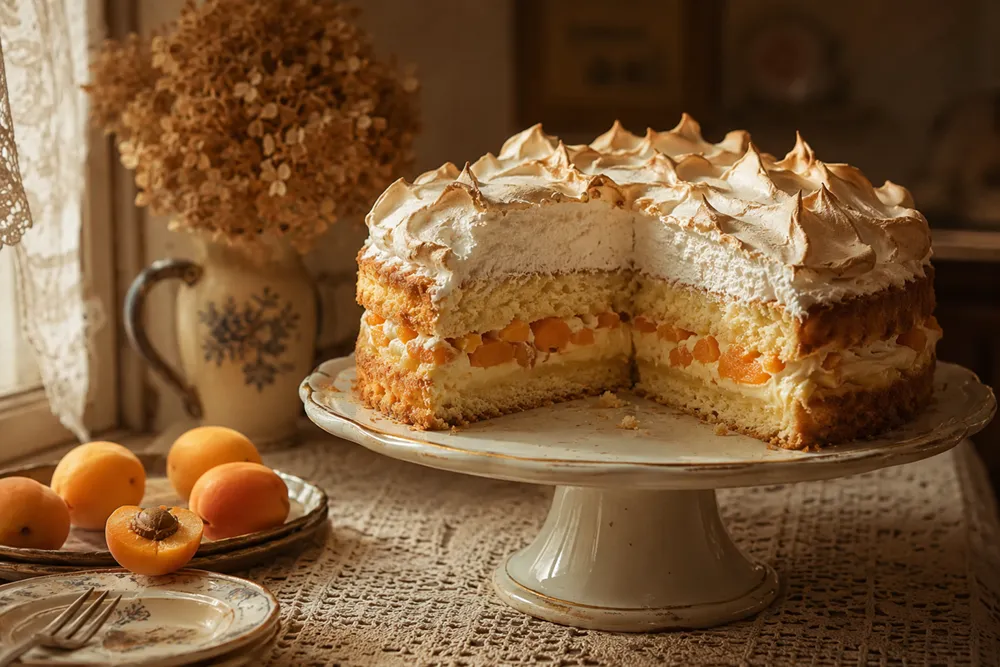
Apricot Cream Torte
Traditional apricot cream cake combining sponge, vanilla custard, and meringue for a timeless European flavor.