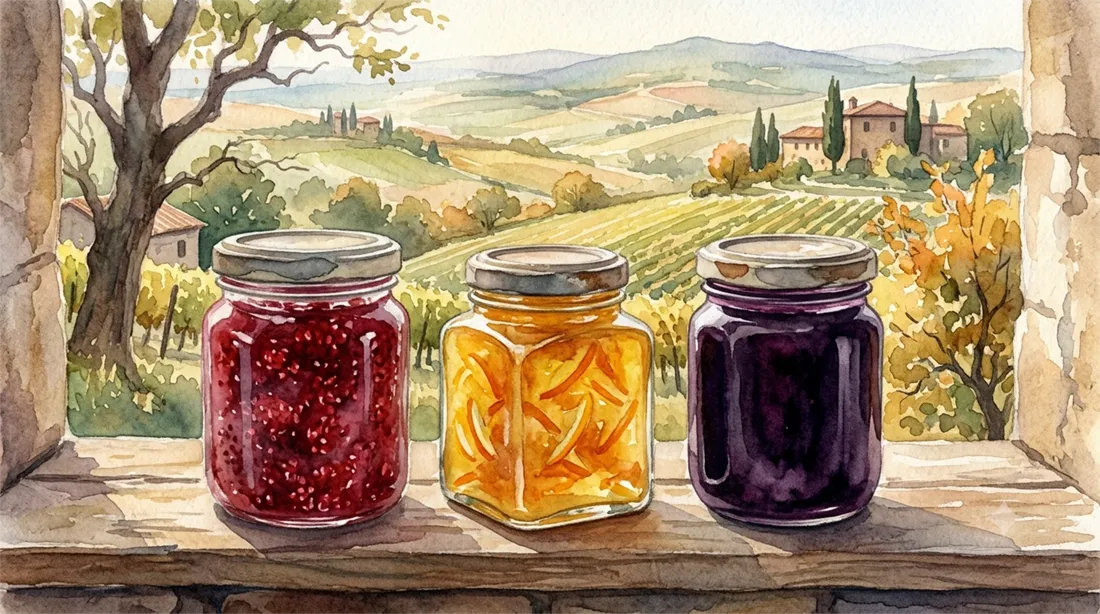
Jam, Marmalade, Fruit Butter, and Pekmez: What Actually Sets Them Apart
Jam, marmalade, and fruit butter each have a precise technical definition — and pekmez has a stricter one than most kitchens realize.
The Attic Recipes Blog
Ingredient guides, cooking techniques, and food history.
Jam, marmalade, and fruit butter each have a precise technical definition — and pekmez has a stricter one than most kitchens realize.
The chemistry behind lamb and mutton's gamey smell, and the acid-based techniques cooks have used for generations to tame it.
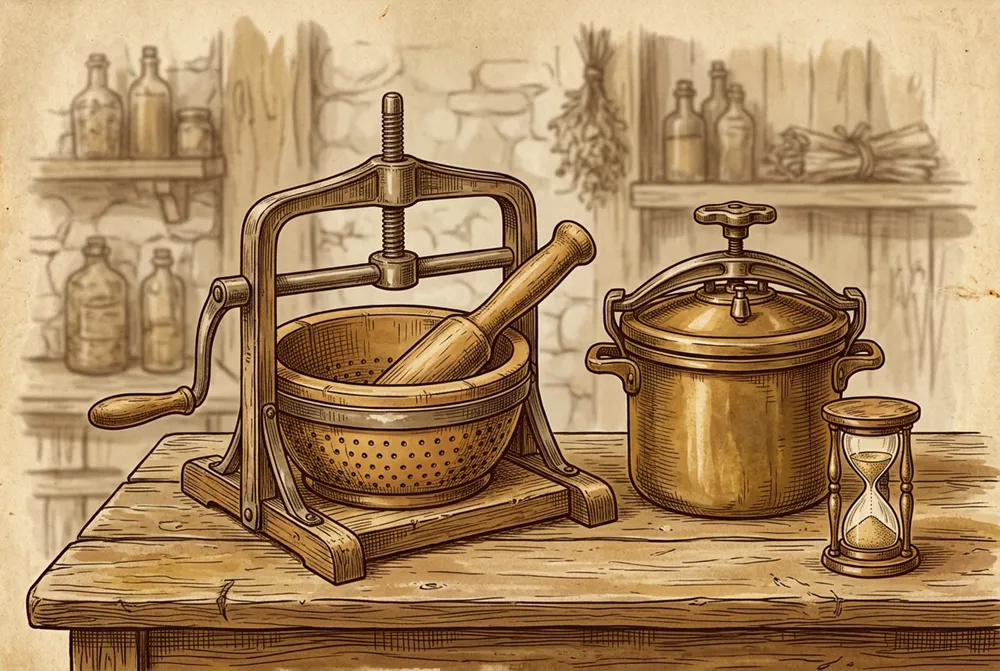
A look at the specialized tools that filled Central European kitchens a century ago, from a fruit press called an ala to a sand-timer for boiling eggs.
Lacto-fermented cabbage needs no starter, no vinegar, no heat. Just salt at the right ratio, pressure, and time. Here is the science behind why it works.
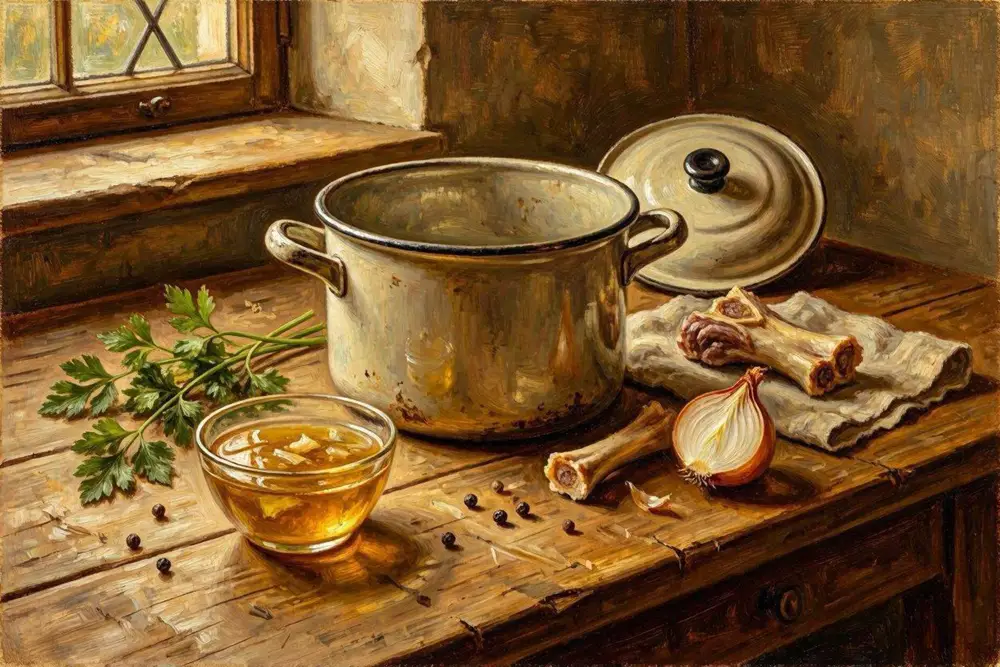
How early 20th century cooks made clarified meat jelly from scratch — the bones, the patience, and the linen-straining method that made it work.
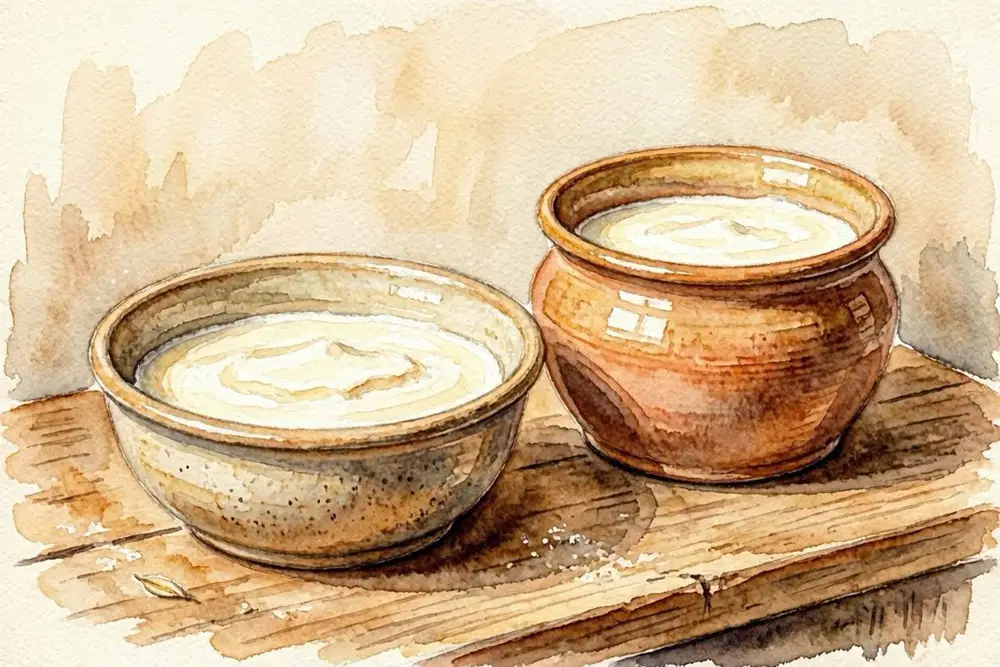
How Central European home cooks used mesophilic fermentation to preserve dairy — the living science behind kajmak and traditionally soured milk.
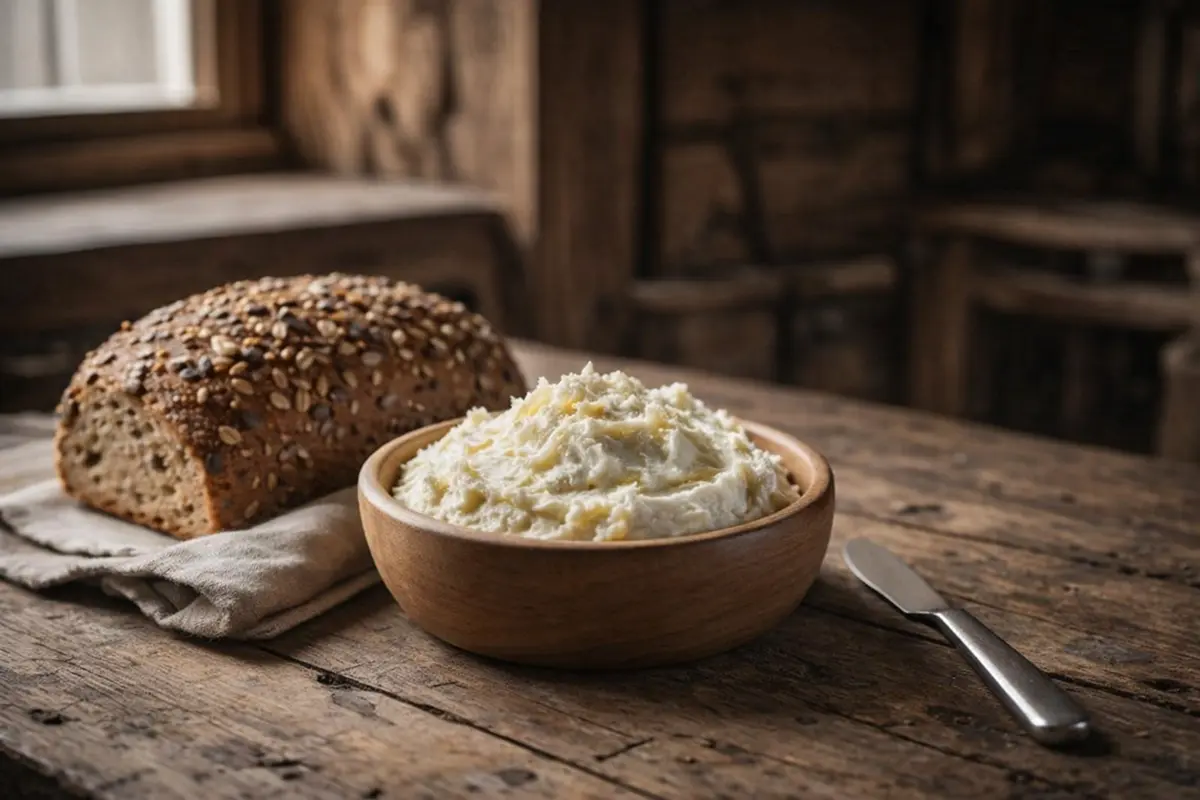
What kajmak is, how it is made, why salt and fat work as natural preservatives, and how to source or substitute it in your kitchen today.
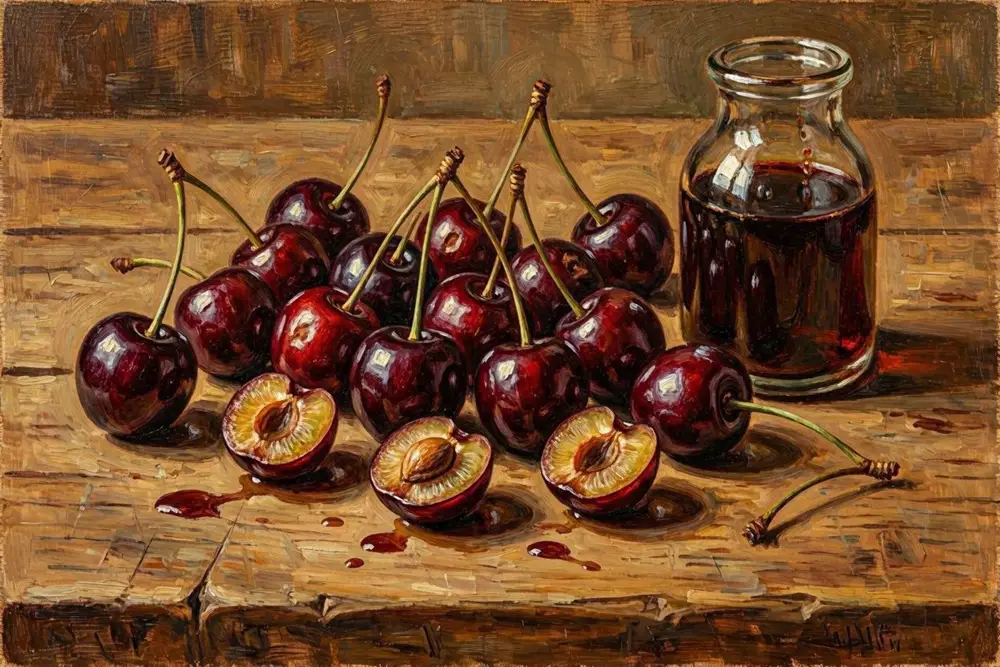
Cherry pits carry a faint almond scent prized by old cooks, but that fragrance comes from a compound with real safety considerations.
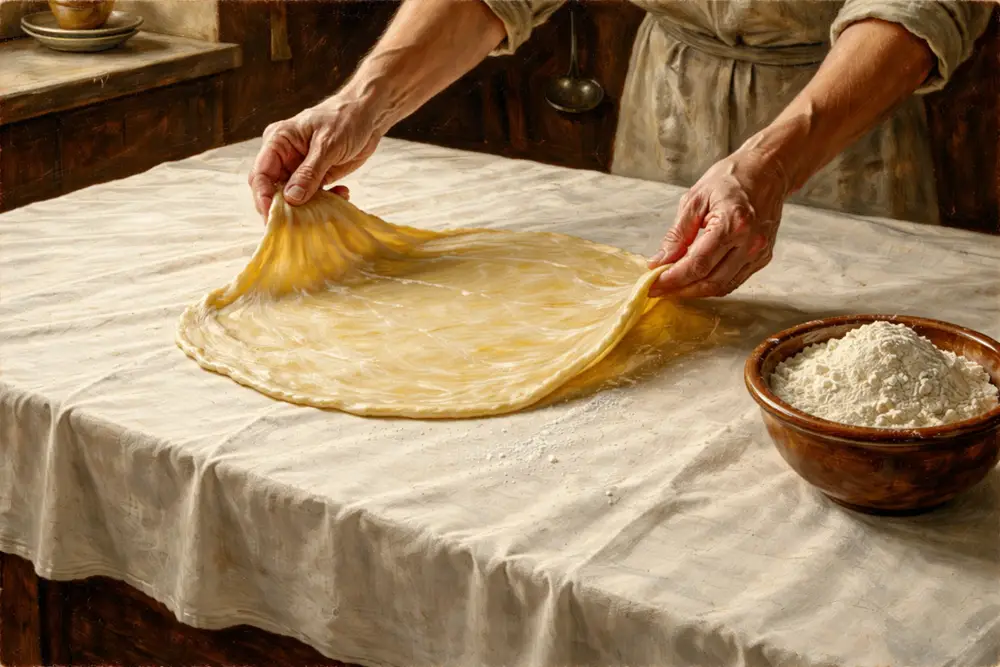
A look at the traditional technique of hand-stretching pastry dough over a tablecloth, including the dough, the rest period, and the stretch itself.