Waxy vs. Floury Potatoes: Choosing the Right One for Potato Salad
The starch difference between waxy and floury potatoes decides whether a potato salad holds together or turns to mush — here's how to tell them apart.
Introduction
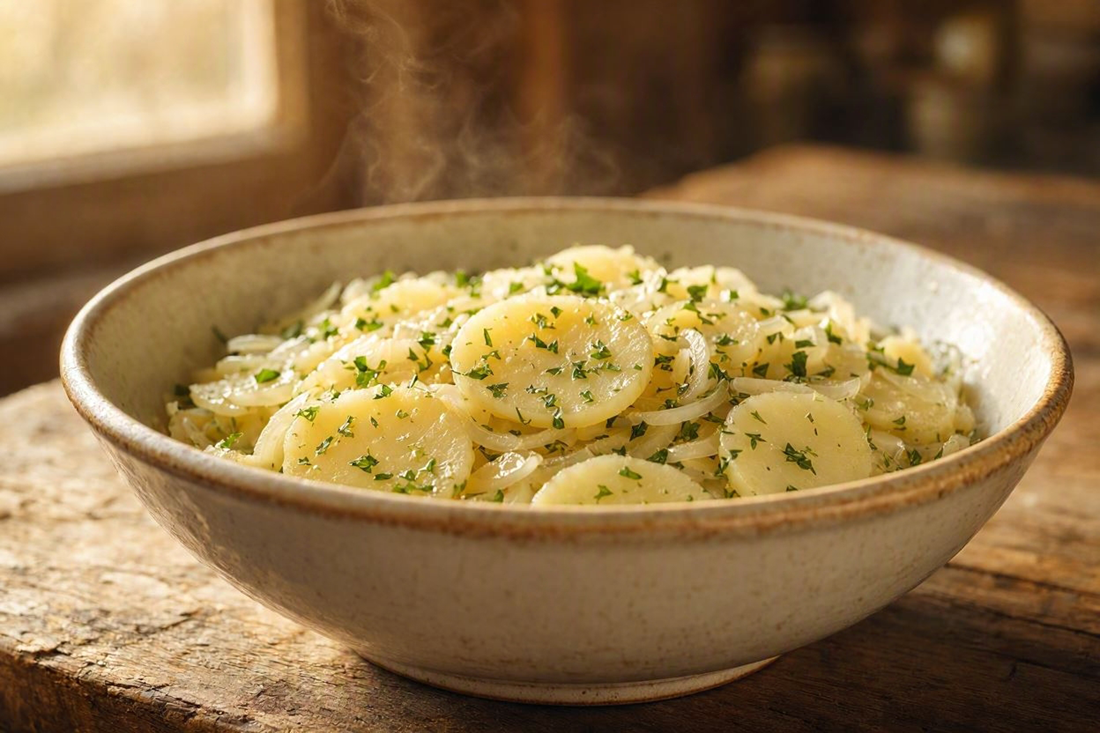
A potato salad that turns to mush is rarely a technique problem — it’s usually a potato problem. The wrong variety will break down in the pot before it ever makes it to the bowl, no matter how carefully it’s boiled or dressed. The right one holds its shape, keeps a clean bite, and takes on dressing without falling apart.
The difference comes down to starch. Potatoes aren’t one uniform ingredient — they range from dense and waxy to dry and floury, and that range determines what a variety is actually good for. This guide looks at what separates the two, how Central European kitchens have historically labeled the difference, and how to pick the right potato before it’s in the pot.
The Starch Difference
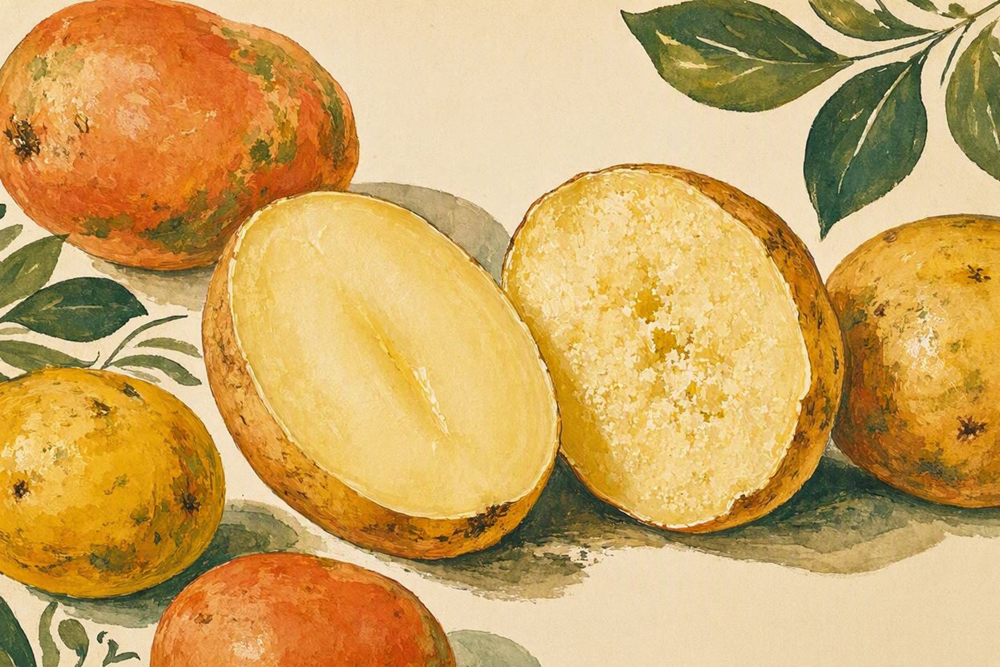
Potatoes generally fall along a spectrum from waxy (low-starch) to floury or mealy (high-starch), with all-purpose varieties sitting in between. Floury potatoes typically run in the range of about 20% starch by weight, while waxy varieties tend to run lower, closer to 15–16%. The type of starch matters too: floury potatoes contain a mix of amylose and amylopectin, while waxy varieties are made up almost entirely of amylopectin. These aren’t fixed numbers for every tuber — starch content shifts somewhat with growing conditions and how long a potato has been in the ground — but they describe the general pattern reliably enough to guide how a variety cooks.
Why It Matters Once It’s in the Pot
The starch difference shows up physically once heat is involved. Inside a raw potato, cells are held together by pectin in the cell walls, with starch granules packed inside each cell. As the potato cooks, those starch granules absorb water and swell. In floury potatoes, the higher starch content means the cells swell more forcefully, pushing against each other until the pectin holding them together breaks down and the cells separate — that’s what gives mashed potatoes their light, fluffy texture, and it’s also what makes floury potatoes prone to disintegrating in a pot of simmering water. In waxy potatoes, the lower starch content means less internal pressure, so the cells stay bound together by pectin instead of pulling apart, which is why waxy potatoes hold their shape through boiling, slicing, and dressing.
A Central European System for Sorting Them
Central European kitchens, particularly in German- and Austrian-influenced cooking, have a long-standing three-tier system for classifying potatoes by exactly this trait: festkochend (waxy, firm-cooking), vorwiegend festkochend (mainly waxy, an all-purpose middle category), and mehlig kochend (floury or mealy-cooking). In markets that use this system, each category is often marked with its own label color, which makes it possible to pick the right bag without having to recognize a specific variety by sight. Festkochend potatoes are the ones to reach for in potato salad and gratins; mehlig kochend potatoes are suited to mashing, dumplings, and thickening soups; vorwiegend festkochend potatoes work as a reasonable middle ground when a dish doesn’t demand one extreme or the other.
Common Central European varieties tend to cluster fairly predictably within this system — Linda and Nicola are well-known waxy (festkochend) types, Désirée and Kennebec are often classed as all-purpose (vorwiegend festkochend), and Agria is a widely grown floury (mehlig kochend) variety. Bintje, an older Dutch-bred variety still grown across the region, is usually placed in the all-purpose to floury range depending on growing conditions. These aren’t the only options, but they’re a reasonable starting point when a label doesn’t spell out the category directly.
Telling Them Apart Without a Label
Not every market labels potatoes by starch category, so a few physical cues help. Waxy potatoes tend to have thin, smooth skin and a noticeably firm, dense feel for their size. Floury potatoes usually have thicker, sometimes rougher skin and feel comparatively lighter and drier for their size. New potatoes — any variety harvested young, before the plant has finished converting its sugars to starch — are reliably on the waxy end regardless of what the same variety would be like fully mature, which is part of why they’re a safe default for salads when the variety itself isn’t specified.
Practical Takeaways
- Waxy potatoes hold their shape when boiled, sliced, or dressed — the right choice for potato salad, gratins, and soups.
- Floury potatoes break down readily under heat, which makes them better suited to mashing, baking, and frying.
- The Central European festkochend / vorwiegend festkochend / mehlig kochend system labels exactly this trait, and matches most familiar regional varieties fairly predictably.
- When in doubt and no label is available, a firm, thin-skinned, or new potato is the safer bet for a salad that needs to hold together.
Attic Recipes — digitizing and adapting Central European home cooking from the early twentieth century.
Frequently Asked Questions
01What's the actual difference between waxy and floury potatoes?▶
Waxy potatoes have less starch and more moisture, so their cells stay intact and hold their shape when cooked. Floury potatoes have more starch and less moisture, so their cells swell, separate, and break apart more easily.
02Can I use a floury potato in potato salad?▶
It's not the best choice — floury potatoes tend to fall apart into a mushy texture once boiled and dressed. A waxy variety holds its shape and gives potato salad a cleaner bite.
03What does 'festkochend' mean on a potato label?▶
It's the German and Austrian term for waxy, firm-cooking potatoes — the ones that hold together well for salads, gratins, and boiling.
04Are new potatoes always waxy?▶
Typically, yes. New potatoes are harvested before their sugars have fully converted to starch, which is part of why they're naturally lower in starch and higher in moisture than mature potatoes of the same variety.
05What's an all-purpose potato good for?▶
All-purpose (medium-starch) varieties sit between waxy and floury, so they work reasonably well for most cooking methods without excelling at either extreme — a practical choice when you don't want to keep two types on hand.