Old-Fashioned Apple "Champagne"
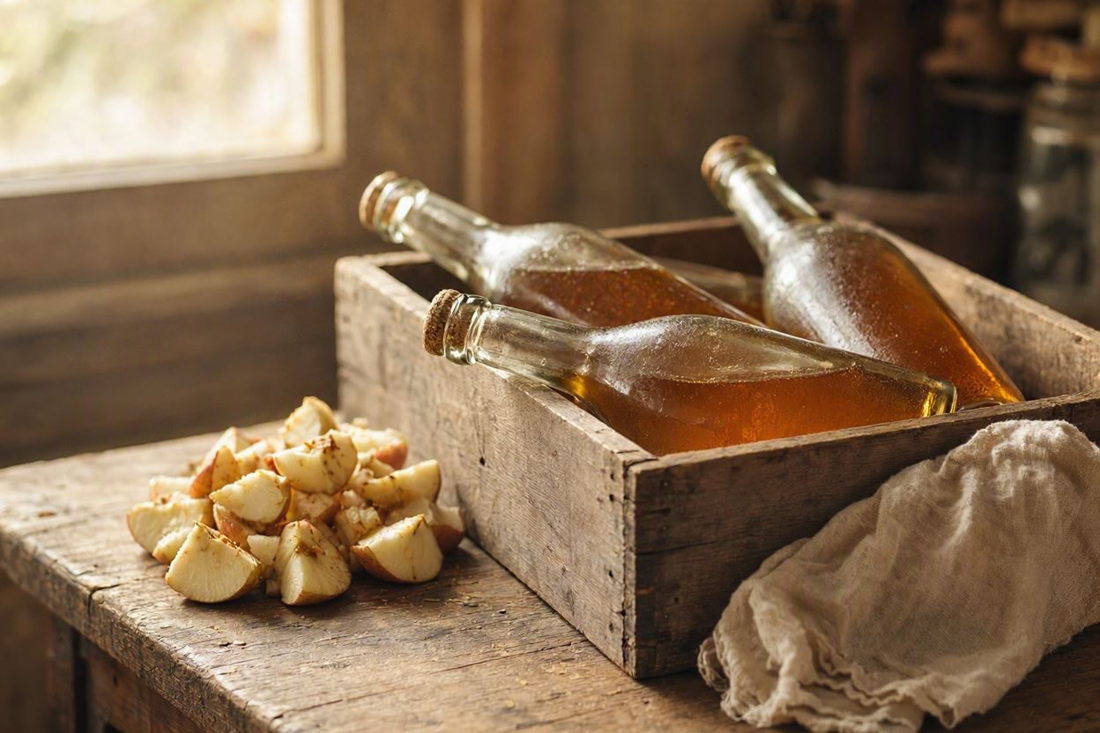
A homemade sparkling apple cordial made from chopped apples, sugar, and brandy, naturally fermented for two weeks before straining and bottling.
Quick Summary
This lightly fizzy apple cordial gets its sparkle from a two-week natural fermentation of chopped apples, sugar, and brandy. After straining and a short cold rest, it's bottled and stored until ready to serve as a festive, apple-forward drink.
Historical recipe
Modernised adaptation of an early 20th‑century source. Not independently kitchen-tested by Attic Recipes. Quantities, temperatures, and food safety guidance have been updated for a contemporary kitchen — results may vary and errors may exist. Nutritional values, where provided, are estimates only and have not been laboratory tested. Always follow current food safety guidelines for your region. If you have a health condition, allergy, or dietary requirement, consult a qualified professional before preparing this recipe.
Use of this recipe is entirely at your own risk and subject to our Terms of Service and Privacy Policy. Attic Recipes accepts no liability for any adverse outcome.
Additional notes
-
Note
Contains alcohol from both the added brandy/rakija and natural fermentation. Not suitable for pregnant women, children under 18, or anyone avoiding alcohol — and because fermentation is uncontrolled, the actual alcohol content may run higher than the added spirit alone.
-
Warning
The bottled liquid can keep fermenting and building carbon dioxide pressure. Leave headspace, avoid sealing too tightly, and check bottles regularly for bulging or leaking to prevent breakage.
-
Caution
Monitor the two-week open fermentation for signs of spoilage — mold, foul odors, or unusual discoloration — and discard the batch if any appear.
- 1
Sanitize a large jar or crock (15+ liter capacity) with boiling water, then pour in the 12 l water, filling the vessel about halfway.
Tip Sanitizing reduces the risk of mold or unwanted bacteria during the long open fermentation. - 2
Add the 3 kg sugar to the water and stir until fully dissolved.
- 3
Peel and finely chop the 3 kg apples, then add them to the sugar water.
- 4
Pour in the 1 l brandy or cognac and stir briefly to combine.
- 5
Cover the jar loosely with a clean cloth secured with string or a rubber band, and let it ferment in a warm spot for 14 days.
Tip A warm, indirect-light spot (18–24°C / 64–75°F) works as well as direct sun and avoids overheating the ferment or thermally stressing the glass. - 6
After 14 days, strain the liquid through the linen cloth into a clean container, discarding the apple solids.
- 7
Let the strained liquid rest, covered, in a cold place (refrigerator or cold cellar) for 3 days so sediment can settle.
- 8
Pour the clear liquid into sanitized bottles, leaving 2–3 cm of headspace at the top of each one.
Tip Headspace gives any residual fermentation gas room to expand instead of building pressure against a sealed cork. - 9
Cork the bottles and tie the corks down crosswise with thin wire or string to keep them seated.
- 10
Store the bottles on their sides in a cool, dark place — a cellar or wine fridge — checking periodically for bulging or leaking, until ready to serve chilled.
Tip Storing on their sides keeps the cork moist and sealed; burying in sand was a period substitute for a stable cool spot, not a requirement.
Nutrition Information per 1 serving (approx 100ml)
Nutritional values are approximate estimates and may vary based on specific ingredients used, preparation methods, and portion sizes.
Serving Suggestions
Serve well chilled in small glasses, as an aperitif or a festive stand-in for sparkling wine at holiday gatherings.
About This Recipe
Before commercial sparkling wine was an easy purchase for most households, home cooks improvised their own festive, fizzy drinks from fruit, sugar, and whatever spirit was on hand. This apple cordial is a good example: chopped apples release their juice and aroma into a sugared water base, a strong brandy is stirred in for both flavor and preservation, and two weeks of warm-spot fermentation builds a natural, gentle sparkle.
The technique leans on patience rather than skill — most of the work happens on its own once the jar is filled and covered. What takes attention is hygiene and timing: a clean vessel, a steady warm spot, and a careful strain before bottling are what separate a clear, pleasant cordial from a spoiled batch.
The playful name reflects the era more than the method. There’s no secondary bottle fermentation under pressure the way true sparkling wine is made — just wild yeast doing its slow work in an open jar, topped up with a shot of something stronger.
Why It Works
The sugar water draws juice and flavor compounds out of the chopped apples through osmosis, while wild yeast — present in the air and on the fruit — slowly converts some of that sugar into alcohol and carbon dioxide, giving the finished drink its light natural fizz. The added brandy boosts both the alcohol content and the shelf stability of the mixture, helping it hold up through the open fermentation period. The three-day cold rest after straining lets fine sediment settle out, so the liquid that goes into the bottles is clearer and more stable.
Modern Kitchen Tips
Keep the fermenting jar somewhere warm but out of direct sunlight — a kitchen counter away from a window works better than a sunny sill, since sudden temperature swings stress both the ferment and the glass. Taste the strained liquid before bottling; if it seems very sweet still, it can rest a few more days before straining next time. Once bottled, treat the bottles like a low-pressure sparkling wine — store them upright for a day or two after bottling to check for excess fizz before laying them on their sides for longer storage.
A classic of early 20th century home cooking, preserved and adapted for the modern kitchen.
The Story Behind This Recipe
Historical Context
In the early 20th century, sparkling wine was an imported luxury most home kitchens couldn't reach, so cooks built their own fizzy, wine-like drinks from whatever fruit was on hand. Chopped apples were sweetened, spiked with a strong homemade spirit, and left in a warm spot to ferment naturally into a lightly effervescent, spirit-fortified cordial. Calling the result "champagne" borrowed the prestige of the real thing rather than its production method. Bottling it upside down in sand was a practical way to hold a steady, cool temperature in homes without a proper cellar.
Modern Kitchen Adaptation
Fermenting in full sun can overheat the liquid and stress the fermentation as well as the glass; a warm, indirect-light spot at room temperature achieves the same result more safely. Because the mixture holds sugar, fruit, and live wild yeast, it keeps producing carbon dioxide after bottling — sealing it too tightly can build dangerous pressure, so bottles need headspace, periodic checking, and ideally a swing-top or pressure-release closure rather than a wired-down cork alone. Sanitizing the jar, straining cloth, and bottles beforehand cuts the risk of mold or spoilage during the two-week open ferment. Burying bottles in sand addressed a lack of cellar storage; a wine fridge or a consistently cool, dark cupboard does the same job today. Because this drink combines added spirit with uncontrolled wild fermentation, its final alcohol content is unpredictable and can run higher than the added brandy alone — treat it, and serve it, as a moderately alcoholic drink rather than a low-alcohol soft drink.
This recipe is an independent modern adaptation developed from historical sources in the public domain. It is provided for informational and educational purposes only and does not constitute professional dietary, nutritional, or medical advice. Food preparation involves inherent risks. The reader assumes full responsibility for safe food handling, ingredient sourcing, and adherence to current local food safety guidelines. The site operator accepts no liability for outcomes resulting from the preparation or consumption of this recipe.
One recipe.
Every week.
You Might Also Like
More recipes you'll enjoy
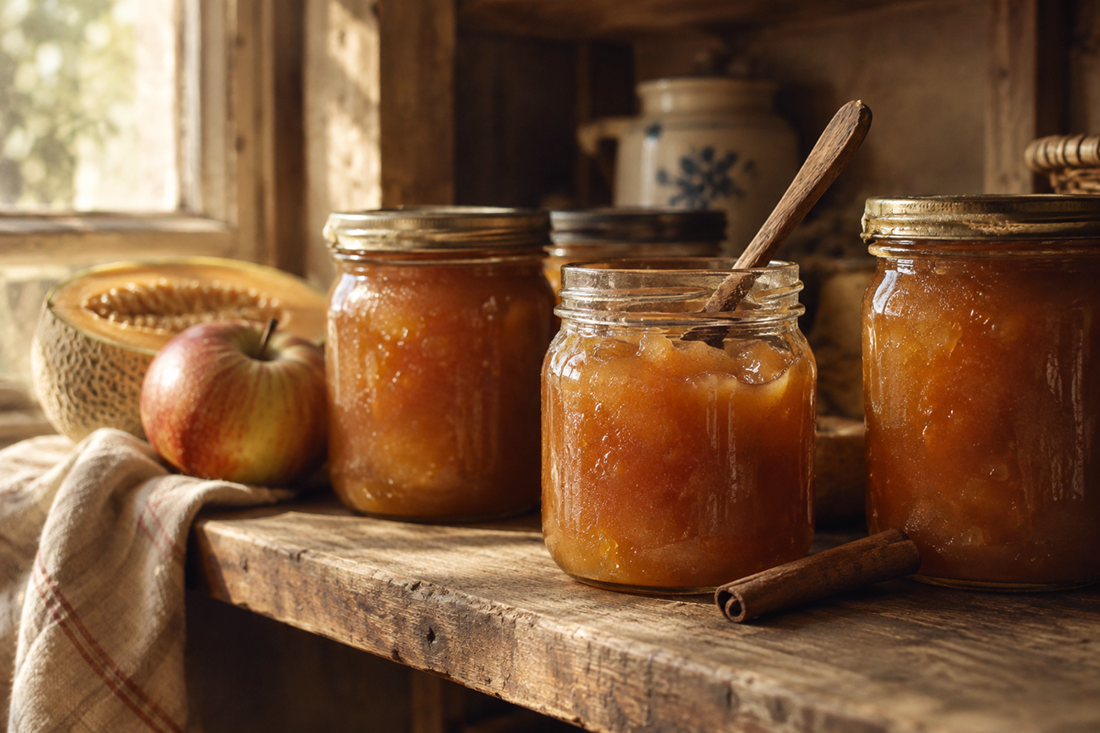
Melon and Apple Pekmez (Fruit Butter)
A slow-cooked melon and apple fruit butter (pekmez), lightly spiced with cinnamon and canned for shelf-stable keeping.
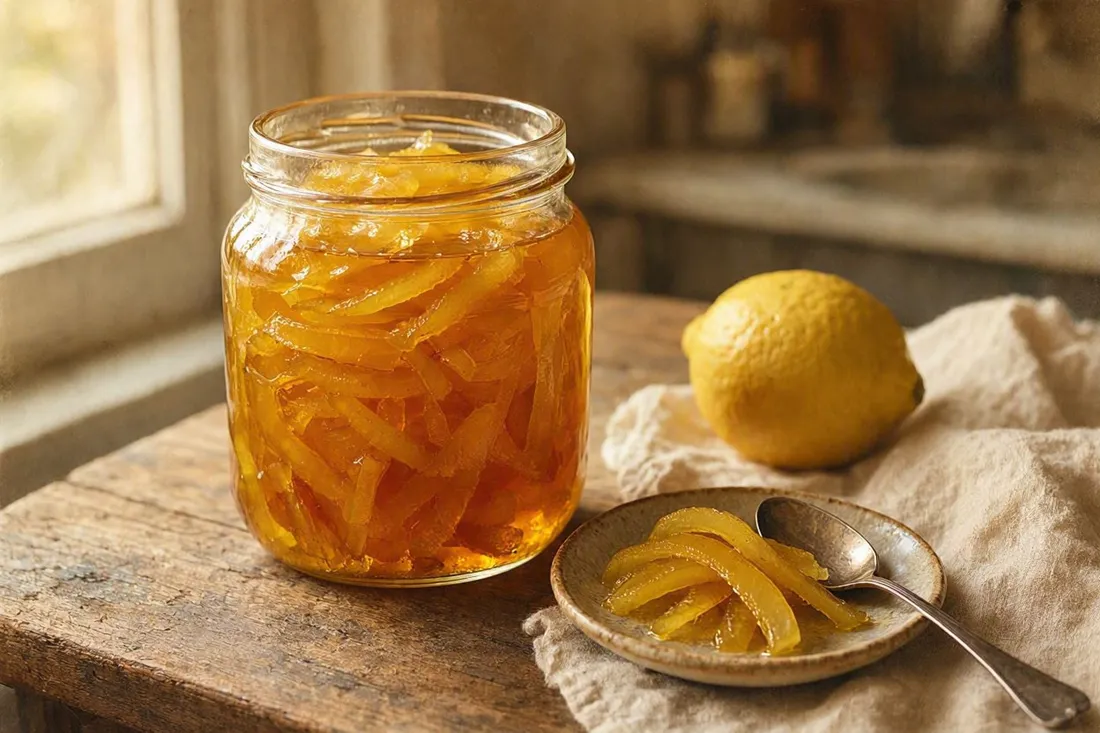
Candied Lemon Peel Spoon Sweet
Lemon peel cut into decorative strips or rounds, blanched to mellow its bitterness, then candied in a thick lemon-scented sugar syrup.
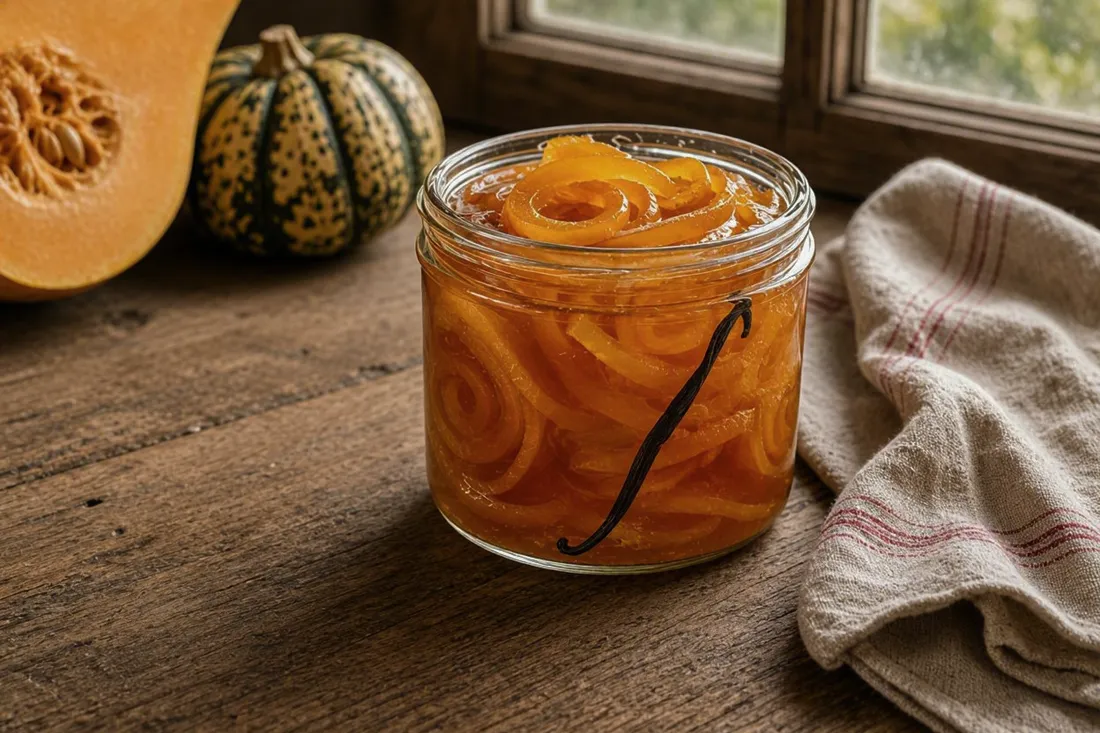
Candied Pumpkin Spoon Sweet in Vanilla Syrup
Firm pumpkin spirals, blanched tender, slowly candied in a vanilla-lemon sugar syrup until the syrup reaches the thickness of honey.