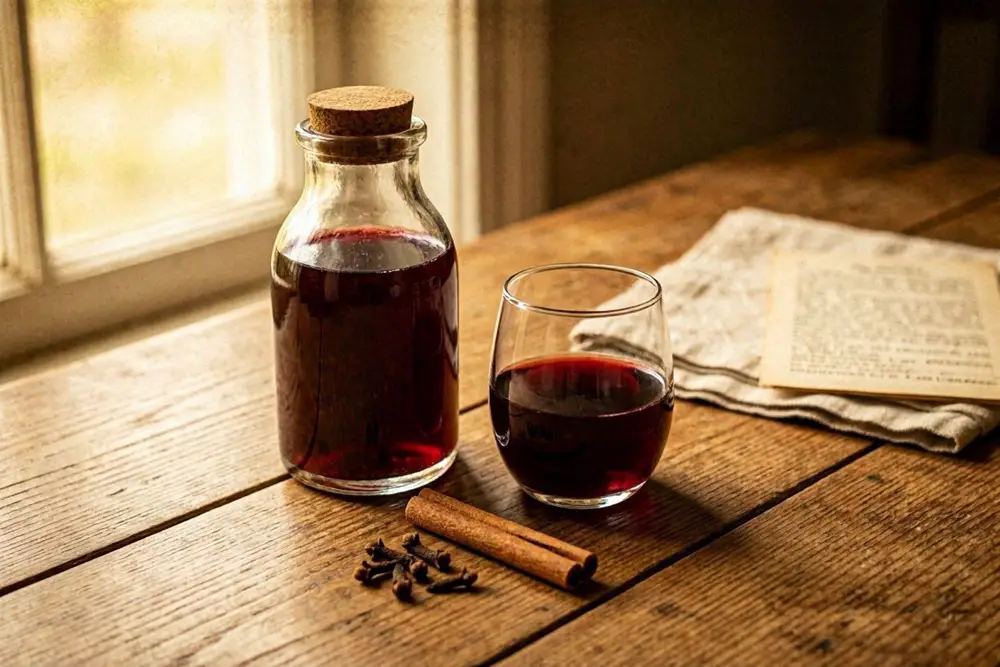
Spiced Sour Cherry Cordial
A slow-macerated sour cherry cordial flavored with cloves, cinnamon, and lemon peel, gently fermented in the sun and diluted to taste before serving.
Historical recipe
Modernised adaptation of an early 20th‑century source. Not independently kitchen-tested by Attic Recipes. Quantities, temperatures, and food safety guidance have been updated for a contemporary kitchen — results may vary and errors may exist. Nutritional values, where provided, are estimates only and have not been laboratory tested. Always follow current food safety guidelines for your region. If you have a health condition, allergy, or dietary requirement, consult a qualified professional before preparing this recipe.
Use of this recipe is entirely at your own risk and subject to our Terms of Service and Privacy Policy. Attic Recipes accepts no liability for any adverse outcome.
Additional notes
-
Note
This cordial undergoes a natural fermentation process during the 15-day sun exposure stage and may contain a small amount of alcohol as a result. Pregnant women, children under 18, and anyone avoiding alcohol may wish to confirm this is acceptable before consuming, or use the cordial only as a flavoring in cooked dishes.
-
Caution
Sealed bottles containing fermenting liquid can build up pressure from carbon dioxide. Check bottles periodically during the 15-day sun fermentation and after final bottling, and loosen lids briefly if pressure has built up, to prevent bottles from bursting.
- 1
Remove the stems from the cherries (4kg), wash, and drain. Remove the pits from all of the cherries.
- 2
Crush the pitted cherries in a mortar, food processor, or by hand to release their juice and pulp.
- 3
Place the crushed cherries in a large glass jar or bottle (approx. 5 liters), cover with a clean cloth (do not seal tightly), and leave in a cool place out of direct sunlight for 2 days.
- 4
After 2 days, strain the mixture through a clean, thin cloth into a clean container, pressing gently to extract as much juice as possible. Discard the solids.
- 5
Measure the strained juice. Fill 3-liter glass bottles only three-quarters full with the juice.
- 6
For the strained juice (approximately 2.2 liters from this quantity of cherries), add the sugar (290g), whole cloves (5), cinnamon stick (1), and chopped lemon peel (1/2 lemon's worth).
- 7
Close the bottles loosely or with a fermentation-safe lid that allows gas to escape, and leave them in direct sunlight for 15 days. Check the bottles periodically and loosen the lids briefly if pressure builds up, to prevent the bottles from bursting.
- 8
After 15 days, strain the cordial again through a clean cloth, transfer it into smaller bottles, and close tightly.
- 9
Store the bottled cordial in the refrigerator or another cool, dark place. Check bottles occasionally for continued fermentation activity and loosen lids if needed.
Nutrition Information per 1 serving (approx. 30ml cordial, undiluted)
Nutritional values are approximate estimates and may vary based on specific ingredients used, preparation methods, and portion sizes.
Serving Suggestions
Dilute with still or sparkling water to taste, or serve over ice as a base for a spritz. The cordial can also be used as a flavoring for desserts or drizzled over plain cakes.
About This Recipe
This cordial captures sour cherries at their peak, transforming them into a deeply flavored syrup through a slow process of maceration, straining, and gentle sun fermentation. The result is a concentrated, fragrant drink base, warmly spiced with cloves and cinnamon and brightened with a touch of lemon peel, ready to be diluted into a refreshing drink whenever needed.
Unlike a quick fruit syrup made on the stovetop, this method relies entirely on time and natural processes — the cherries release their juice slowly over two days, and the bottled juice and sugar mixture develops further complexity over two weeks in the sun. The finished cordial keeps well and makes a versatile addition to a pantry of homemade preserves.
Why It Works
The initial two-day maceration allows the crushed cherries to release their juice gradually, without the need for heat, which preserves more of the fruit’s bright flavor than a cooked syrup would. Straining through a thin cloth removes the solids while letting the juice run clear. The extended sun exposure during the second stage encourages a gentle natural fermentation, driven by wild yeasts present on the fruit and in the air, which develops additional depth and a faint effervescence in the finished cordial. The spices — cloves, cinnamon, and lemon peel — infuse slowly over this same period, becoming fully integrated into the juice by the time it’s strained again.
Modern Kitchen Tips
Use a food processor to crush the pitted cherries quickly if you don’t have a large mortar. During the 15-day sun fermentation stage, choose a spot that gets consistent sunlight but isn’t so hot that the bottles are at risk of overheating. Check the bottles every few days during this stage — a small amount of fizzing or pressure is normal, but venting periodically keeps things safe. Once bottled and refrigerated, the cordial will keep for several weeks, though its flavor is best within the first month.
A classic of early 20th century home cooking, preserved and adapted for the modern kitchen.
The Story Behind This Recipe
Historical Context
Early 20th century recipes for this drink called for crushing cherry pits along with some of the cherries during the initial maceration, valued for the almond-like aroma the crushed pits released into the juice. This technique has been omitted from the modernized version due to food safety concerns around the natural compounds found in cherry pits, discussed further in a companion article on the site. Home cooks of the period also left the filled bottles in direct sunlight for an extended period, a practice that promotes natural fermentation.
Modern Kitchen Adaptation
The original recipe called for crushing the pits of half the cherries together with the fruit during the initial maceration. This step has been removed entirely: all cherries in this version are pitted before crushing, and no pits are used at any stage. This is a deliberate safety modification, not an estimate, due to the cyanogenic compounds naturally present in cherry pits, which can be released when the pits are crushed and subjected to prolonged contact with liquid. The quantity of sugar was given in the original as a ratio per 3-liter bottle of juice; this has been scaled to the estimated yield of juice from 4kg of cherries (approximately 2.2 liters). The quantities of cloves, cinnamon, and lemon peel were not specified with precise figures and have been estimated based on standard proportions for a spiced cordial of this volume. The 15-day sun fermentation step produces a cordial with some natural alcohol content from fermentation of the sugars; bottles should be vented periodically during this stage to prevent pressure buildup.
This recipe is an independent modern adaptation developed from historical sources in the public domain. It is provided for informational and educational purposes only and does not constitute professional dietary, nutritional, or medical advice. Food preparation involves inherent risks. The reader assumes full responsibility for safe food handling, ingredient sourcing, and adherence to current local food safety guidelines. The site operator accepts no liability for outcomes resulting from the preparation or consumption of this recipe.
One recipe.
Every week.
You Might Also Like
More recipes from the same category
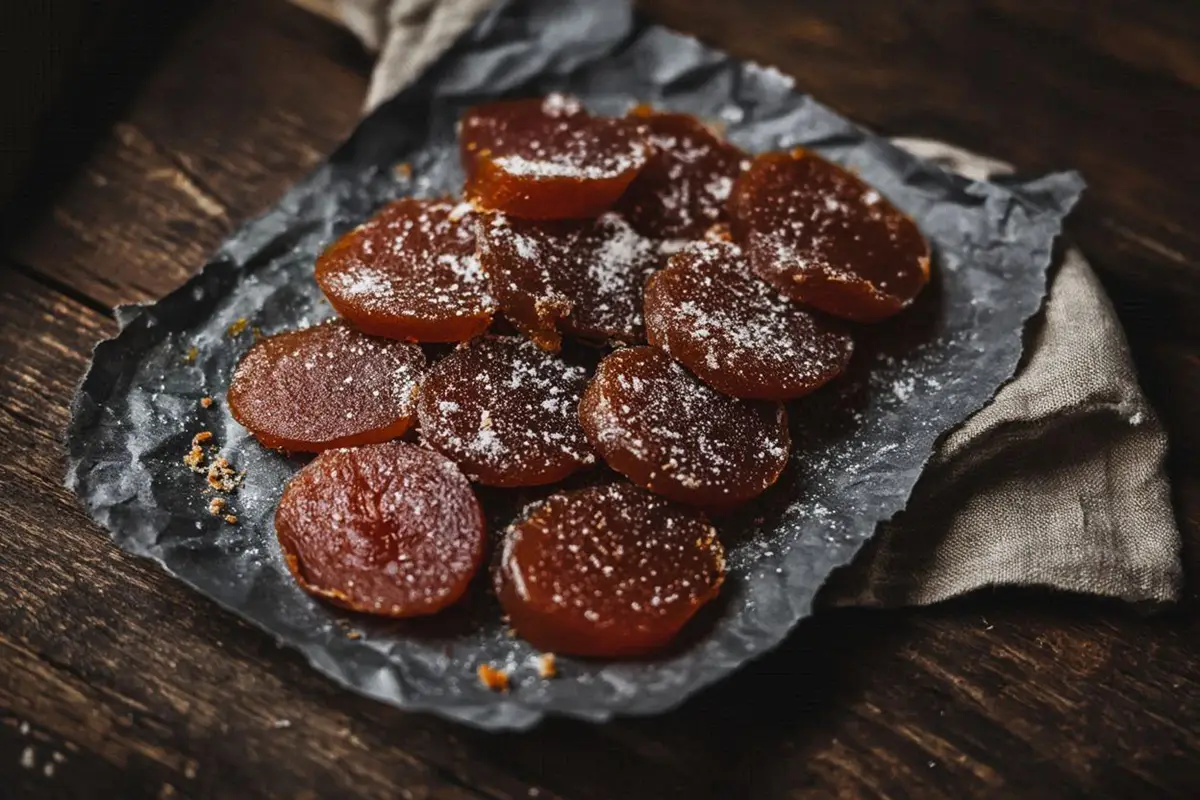
Apricot Fruit Paste
Sieved ripe apricots cooked with equal weight sugar and lemon juice, poured into molds and air-dried — from early 20th century Central European kitchens.
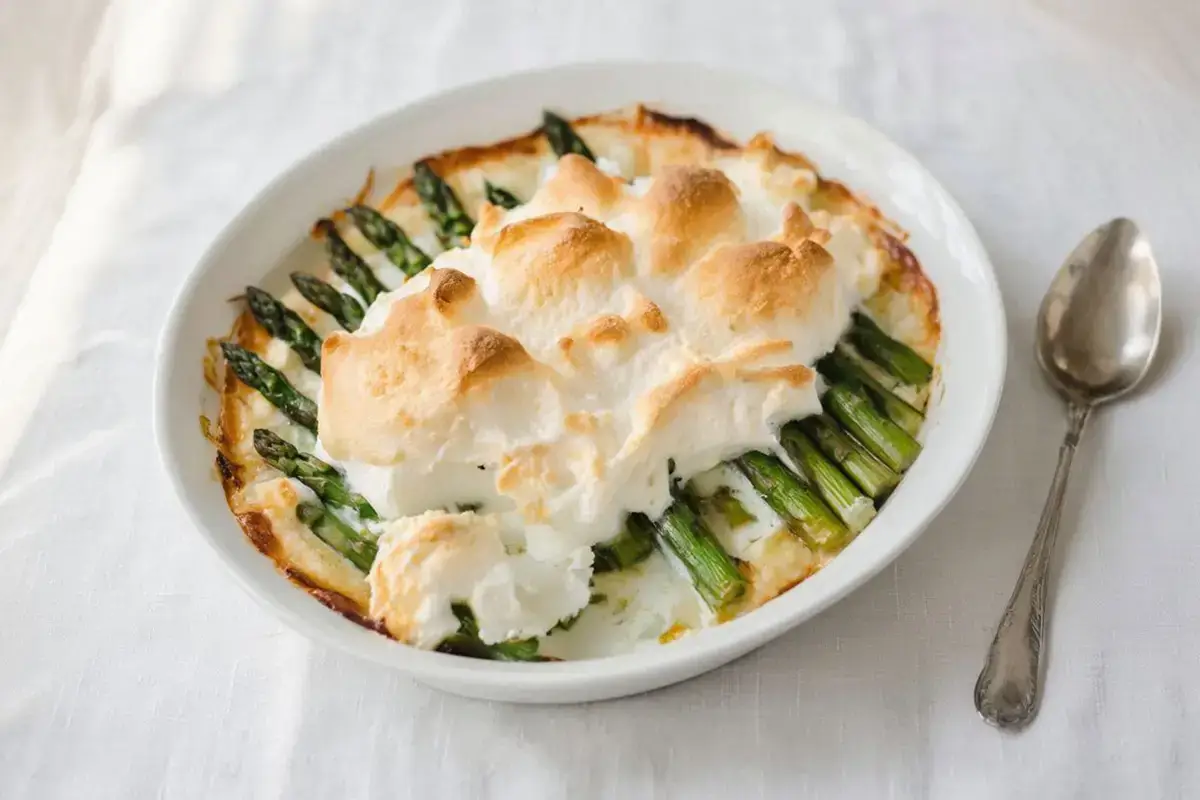
Asparagus Venetian Style
Fresh asparagus baked under a rich egg yolk cream sauce and a golden meringue-cheese topping. An elegant Central European appetizer.
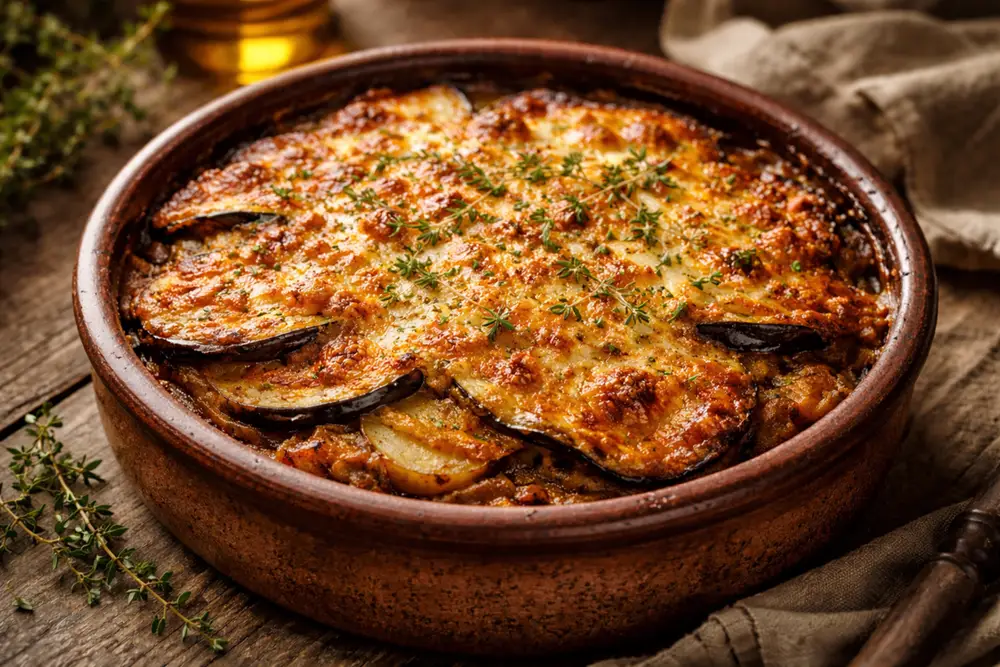
Baked Eggplant with Potatoes
A slow-baked layered casserole of eggplant, parboiled potatoes, golden fried onion, and melted cheese.