Baked Celeriac with Parmesan
Tender boiled celeriac layered with Parmesan, butter, and breadcrumbs, then baked until golden and bubbling.
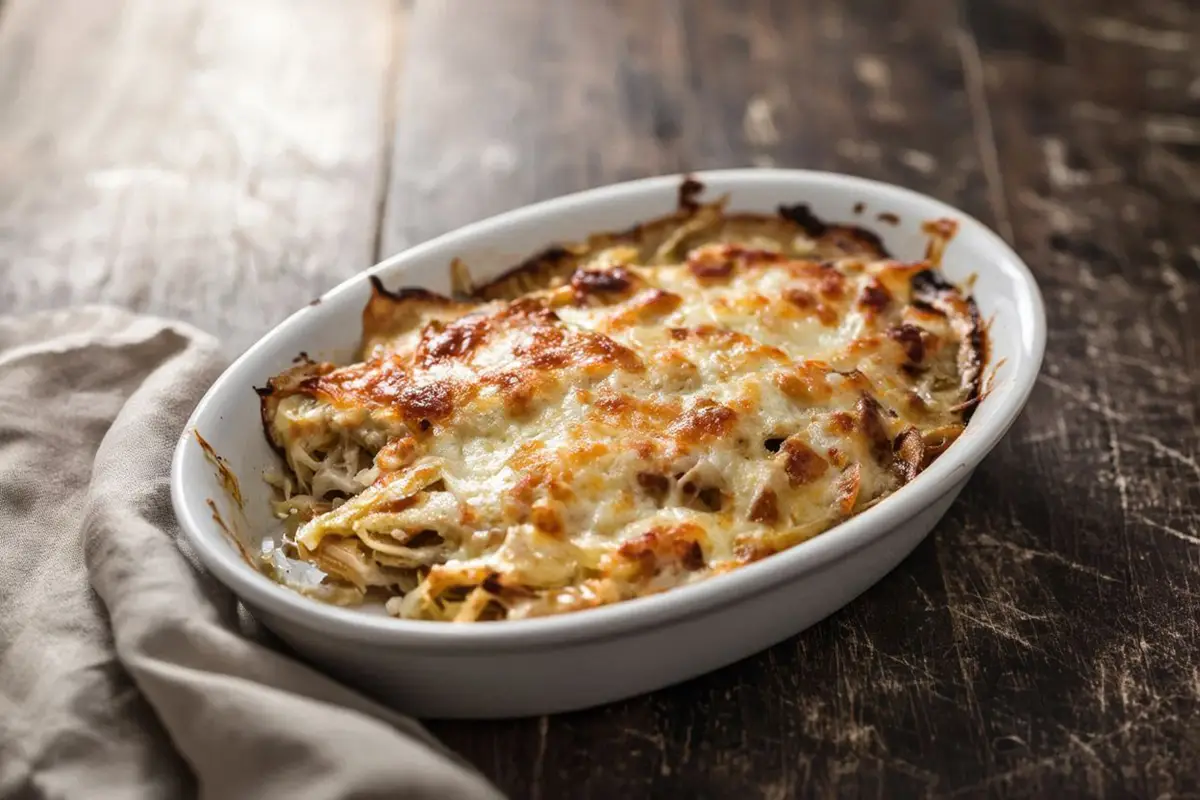
Quick Summary
Tender boiled celeriac layered with Parmesan, butter, and breadcrumbs, then baked until golden and bubbling.
Historical recipe
Modernised adaptation of an early 20th‑century source. Not independently kitchen-tested by Attic Recipes. Quantities, temperatures, and food safety guidance have been updated for a contemporary kitchen — results may vary and errors may exist. Nutritional values, where provided, are estimates only and have not been laboratory tested. Always follow current food safety guidelines for your region. If you have a health condition, allergy, or dietary requirement, consult a qualified professional before preparing this recipe.
Use of this recipe is entirely at your own risk and subject to our Terms of Service and Privacy Policy. Attic Recipes accepts no liability for any adverse outcome.
- Dairy
- Gluten
Additional notes
-
Note
This dish is relatively high in saturated fat from butter and cheese. Individuals managing cholesterol or saturated fat intake, including pregnant women, elderly people, and those with cardiovascular conditions, may wish to enjoy this dish in moderation.
- 1
Peel the celeriac and trim away any tough or fibrous outer parts.
- 2
Bring a pot of salted water (1/2 tsp salt) to a boil and cook the celeriac whole until tender enough to pierce easily with a knife.
- 3
Remove the celeriac from the water and let it cool slightly, then cut it crosswise into round slices.
- 4
Generously butter the bottom and sides of an oven-safe porcelain dish or mold.
- 5
Arrange a layer of celeriac slices in the dish. Sprinkle with grated Parmesan and dot with small, hazelnut-sized pieces of butter.
- 6
Repeat the layering of celeriac, Parmesan, and butter until the dish is nearly full, finishing with a layer of cheese and butter.
- 7
Just before baking, sprinkle the top evenly with the crushed breadcrumbs and the remaining salt (1/4 tsp).
- 8
Bake in a preheated oven at 200°C (390°F) / 180°C fan until the top is golden-brown and the cheese is melted, about 30-35 minutes.
Nutrition Information per 1 portion (approx. 195g)
Nutritional values are approximate estimates and may vary based on specific ingredients used, preparation methods, and portion sizes.
Serving Suggestions
Serve hot as a side dish alongside roasted or pan-fried meats. Also works well as a light vegetarian main with a simple green salad.
About This Recipe
Celeriac rarely gets the spotlight, but this gratin-style preparation shows what a little butter, cheese, and a hot oven can do for it. Boiling the celeriac first softens its dense texture completely, so by the time it goes into the oven, it’s ready to soak up the richness of melting Parmesan and butter layered between each round of vegetable.
The result is a side dish that feels far more indulgent than its main ingredient suggests — tender, savory, and finished with a golden, crisp breadcrumb top that adds just the right amount of crunch against the soft layers underneath.
Why It Works
Pre-boiling the celeriac ensures it’s fully tender before baking, so the oven time is focused on melting the cheese and browning the top rather than cooking the vegetable through. Layering the celeriac with cheese and small pieces of butter allows the fat to distribute evenly as it melts, coating each slice. The breadcrumb topping, added only in the final stage of baking, stays crisp rather than becoming soggy, giving the finished dish a pleasant textural contrast.
Modern Kitchen Tips
Choose a celeriac that feels heavy and firm for its size, and don’t be afraid to cut away a generous amount of the knobby outer skin to reach the smooth flesh underneath. If using a particularly large celeriac, a single medium head is plenty for this recipe — there’s no need to use the whole vegetable if it’s oversized. For extra depth, a mix of Parmesan and another mature hard cheese, such as aged Gruyère or pecorino, can be layered together.
A classic of early 20th century home cooking, preserved and adapted for the modern kitchen.
The Story Behind This Recipe
Historical Context
Early 20th century recipes for this dish typically called for celeriac that was first boiled until tender, then layered with a mature hard cheese and butter in a baking dish, finished with breadcrumbs just before serving. This layering and baking technique was a common way for home cooks of the period to turn a humble root vegetable into a richer side dish suitable for a main meal.
Modern Kitchen Adaptation
The quantity of celeriac has been adjusted to a single medium head (approximately 800g), as modern celeriac heads are considerably larger than those typical of the period; this amount is well suited to a standard baking dish and serves 4-6. The oven temperature was not specified in the original and has been estimated at 200°C (390°F) / 180°C fan, appropriate for browning a cheese and breadcrumb topping. Salt quantities for both the cooking water and the topping have also been estimated, as the original called for salt to taste without a specific amount.
This recipe is an independent modern adaptation developed from historical sources in the public domain. It is provided for informational and educational purposes only and does not constitute professional dietary, nutritional, or medical advice. Food preparation involves inherent risks. The reader assumes full responsibility for safe food handling, ingredient sourcing, and adherence to current local food safety guidelines. The site operator accepts no liability for outcomes resulting from the preparation or consumption of this recipe.
One recipe.
Every week.
You Might Also Like
More recipes from the same category
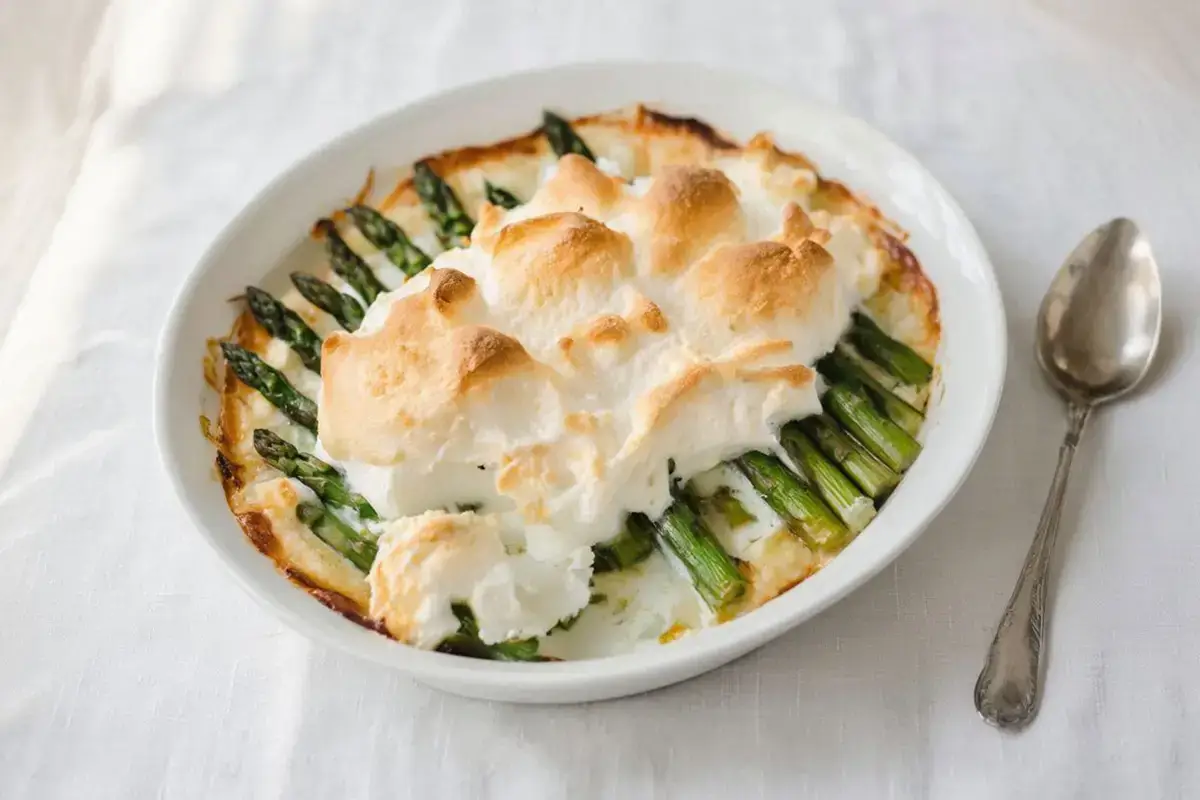
Asparagus Venetian Style
Fresh asparagus baked under a rich egg yolk cream sauce and a golden meringue-cheese topping. An elegant Central European appetizer.
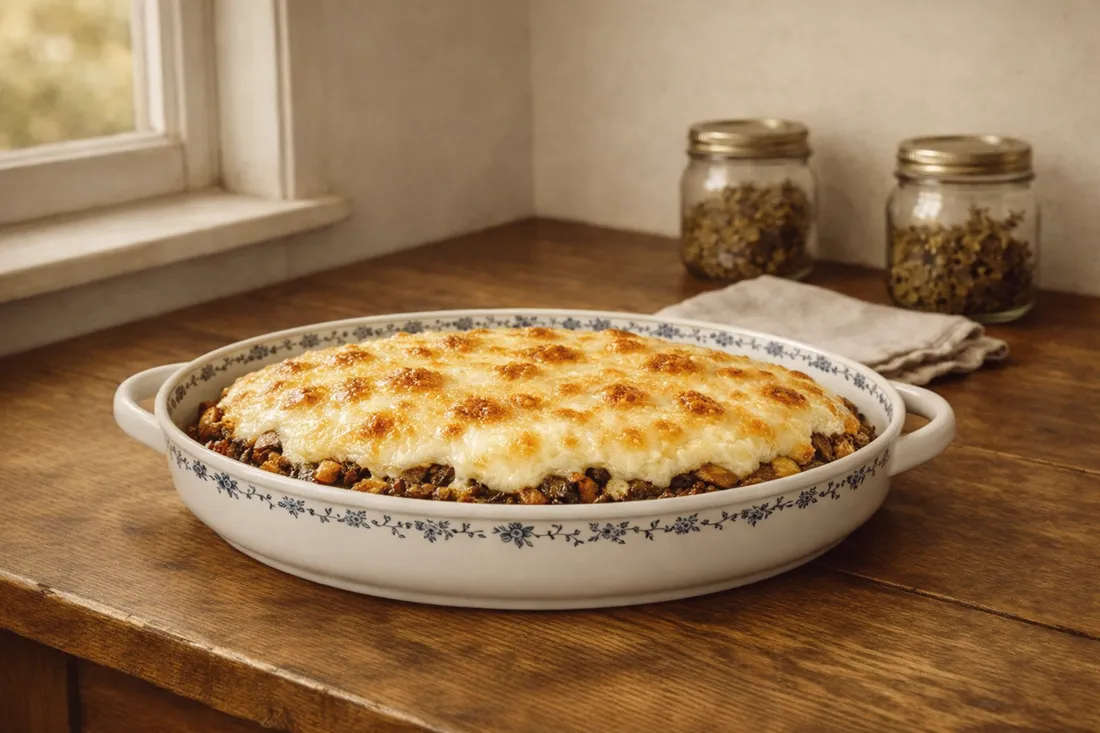
Baked Mushrooms with Hard Cheese and Eggs
Layers of sliced hard-boiled eggs and grated cheese topped with sautéed mushrooms, baked under a rich egg-enriched sour cream topping.
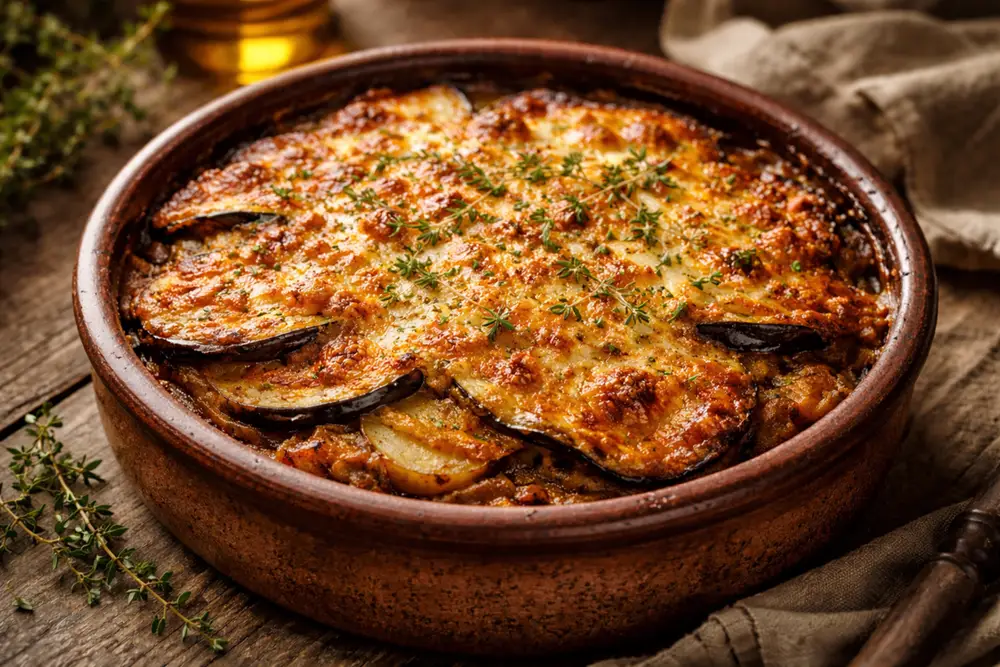
Baked Eggplant with Potatoes
A slow-baked layered casserole of eggplant, parboiled potatoes, golden fried onion, and melted cheese.