Cherries in Sugar for Winter
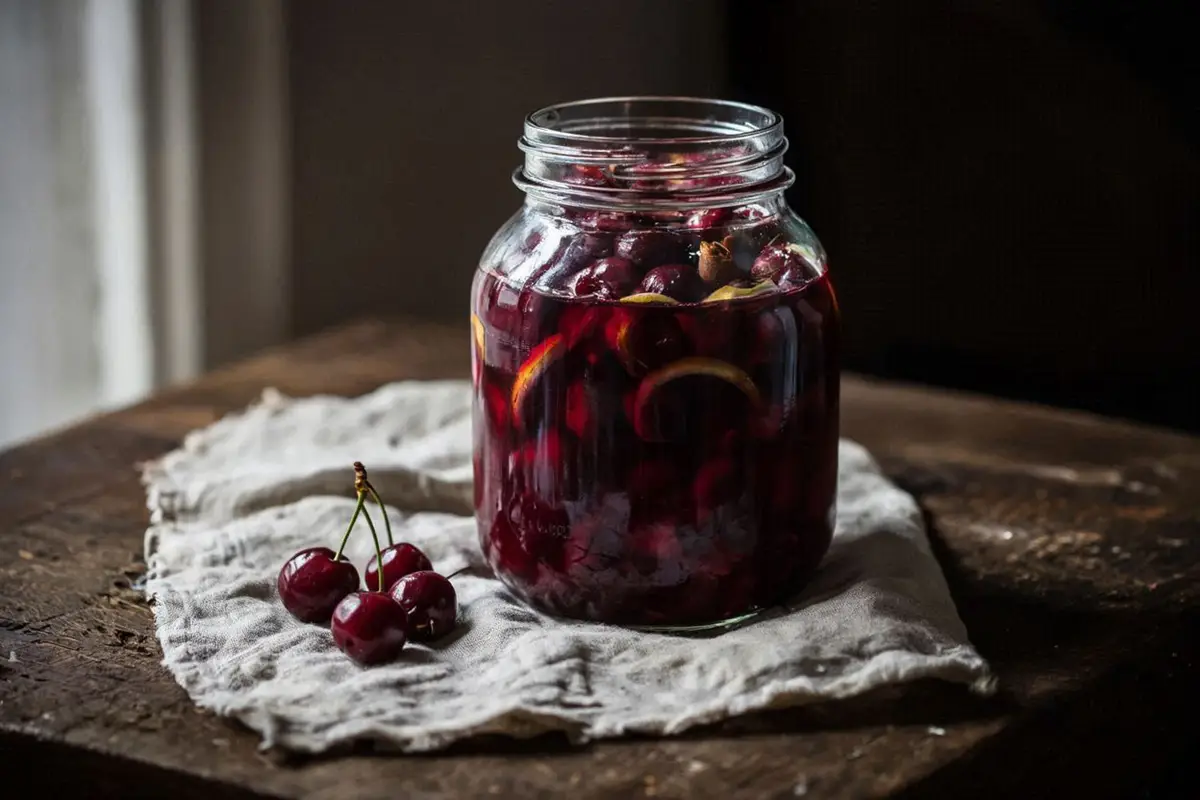
Ripe cherries preserved in sugar and wine vinegar with cloves, cinnamon, and lemon — sun-fermented for 3–4 days, then stored through winter.
Quick Summary
Ripe cherries preserved in sugar and wine vinegar with cloves, cinnamon, and lemon — sun-fermented for 3–4 days, then stored through winter.
Historical recipe
Modernised adaptation of an early 20th‑century source. Not independently kitchen-tested by Attic Recipes. Quantities, temperatures, and food safety guidance have been updated for a contemporary kitchen — results may vary and errors may exist. Nutritional values, where provided, are estimates only and have not been laboratory tested. Always follow current food safety guidelines for your region. If you have a health condition, allergy, or dietary requirement, consult a qualified professional before preparing this recipe.
Use of this recipe is entirely at your own risk and subject to our Terms of Service and Privacy Policy. Attic Recipes accepts no liability for any adverse outcome.
- Sulphites
Safety note
This is a raw, uncooked preserve — it is not sterile. It relies entirely on sugar concentration and vinegar acidity for safety. Use only firm, undamaged cherries. Soft or bruised fruit significantly increases spoilage risk.
Refrigerate after the initial 3–4 day sun fermentation if you do not have a cool cellar below 15°C.
Additional notes
-
Warning
Not recommended for young children, pregnant women, or immunocompromised individuals due to the raw fermentation process.
For vulnerable individuals, use a heat-processed cherry preserve instead.
-
Warning
Check the jar periodically. Discard the entire jar without tasting if you see surface mold, notice off odors, or the lid bulges.
-
Caution
High sugar content (45g per 100g serving). Not suitable for those with diabetes or insulin sensitivity in large quantities.
Serve in small portions as a condiment.
-
Note
Always use a clean spoon to remove cherries. Reseal tightly after each use and return to a cool, dark location.
- 1
Wash the cherries thoroughly and allow them to dry completely. Do not use overripe or damaged fruit — firmness is important for winter keeping.
- 2
Pack the cherries into a clean 3-liter glass jar, layering them with the lemon rings, cloves, and pieces of cinnamon bark as you go. Fill the jar to the top.
- 3
Pour the 1kg of granulated sugar over the cherries, followed by the 200ml of wine vinegar. Do not stir.
- 4
Seal the jar with parchment paper tied securely with string, or use a loose lid — the jar needs to breathe slightly during fermentation but should be protected from insects.
Tip A fully airtight lid during the first days can cause pressure buildup as the sugar dissolves and fermentation begins. - 5
Place the jar in a sunny spot outdoors or on a sunny windowsill for 3–4 days. The heat will activate a gentle fermentation — you may see light bubbling as the sugar dissolves and the cherries release their juice.
- 6
After 3–4 days, move the jar to a cool, dark place — a cellar, pantry, or refrigerator — for winter storage.
Nutrition Information per 100g cherries with syrup
Nutritional values are approximate estimates and may vary based on specific ingredients used, preparation methods, and portion sizes.
Serving Suggestions
Spoon over vanilla ice cream, panna cotta, or thick yogurt. Serve alongside roasted duck, pork, or game as a sweet-sour condiment. Excellent on a cheese board with soft fresh or aged semi-hard cheeses. A little of the syrup stirred into sparkling water makes an excellent drink.
About This Recipe
There is something almost alchemical about this recipe. You pack a jar with cherries, add sugar and vinegar and spice, set it in the sun for a few days — and then leave it alone. No cooking, no sterilizing, no water bath. The result is a jar of cherries that are neither pickled nor jammed — something in between. The sugar draws out the cherry juice to form a deep ruby syrup; the vinegar keeps the whole thing sharp and alive; the cloves and cinnamon slowly perfume everything.
Why It Works
High enough sugar concentration, combined with acidity from the wine vinegar, creates an environment where spoilage organisms cannot easily survive. The cloves and cinnamon contribute additional antimicrobial properties that were well understood in early 20th century preserving traditions — long before food science had the vocabulary to explain them. The parchment paper seal allows slight gas release during the first days as fermentation begins, preventing pressure buildup without exposing the fruit to contamination.
What to Expect
On days two and three in the sun, you may see faint bubbling as the cherries ferment gently. The sugar will dissolve completely into a rich, dark syrup. By the time the jar moves to a cool place, it will already smell extraordinary — of cherries, cloves, and warm spice. By winter, the flavors will have mellowed and deepened considerably.
Canning Safety
This is a raw preserve — it is not heat-processed. Modern food safety guidance recommends refrigerating after the initial sun fermentation unless you have a reliably cool cellar below 15°C. Always inspect the jar before serving: discard without tasting if you see surface mold, unusual discoloration, or a bulging lid.
A classic of early 20th century home cooking, preserved and adapted for the modern kitchen.
The Story Behind This Recipe
Historical Context
This recipe belongs to a category of Central European fruit preserves that rely on sugar saturation and vinegar acidity rather than heat processing. Before refrigeration, sun fermentation was a common and trusted technique — the combination of high sugar content, wine vinegar, and the antimicrobial properties of cloves and cinnamon created conditions hostile to harmful bacteria. The use of parchment paper rather than a sealed lid reflects an understanding that slight gas release during fermentation is necessary.
Modern Kitchen Adaptation
This is a raw fermented preserve — it is not heat-processed and relies entirely on high sugar concentration and vinegar acidity for preservation. Modern food safety guidance recommends refrigerating the jar after the initial sun fermentation rather than storing at room temperature, unless you have a reliably cool cellar below 15°C. For a more conservative approach, refrigerate from day one and consume within 6 months. Always use real wine vinegar — synthetic vinegar lacks the acidity profile of true fermented wine vinegar.
This recipe is an independent modern adaptation developed from historical sources in the public domain. It is provided for informational and educational purposes only and does not constitute professional dietary, nutritional, or medical advice. Food preparation involves inherent risks. The reader assumes full responsibility for safe food handling, ingredient sourcing, and adherence to current local food safety guidelines. The site operator accepts no liability for outcomes resulting from the preparation or consumption of this recipe.
One recipe.
Every week.
You Might Also Like
More recipes from the same category
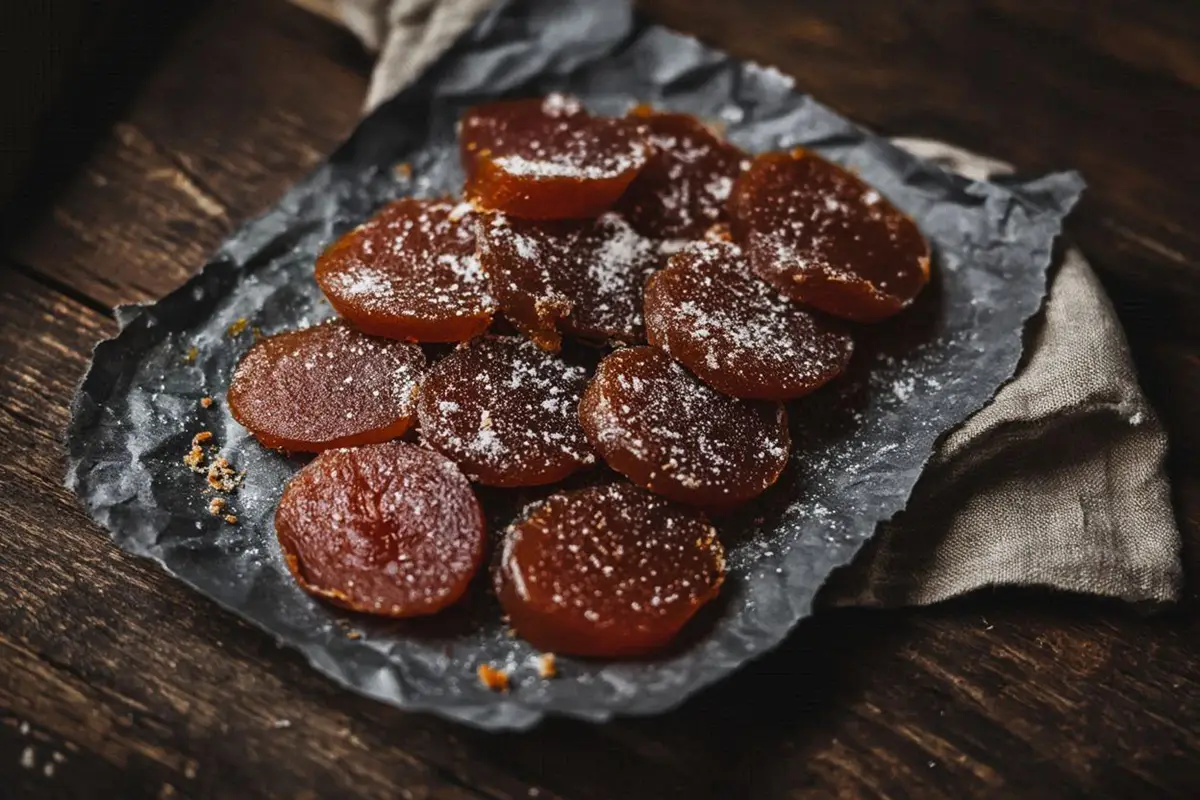
Apricot Fruit Paste
Sieved ripe apricots cooked with equal weight sugar and lemon juice, poured into molds and air-dried — from early 20th century Central European kitchens.
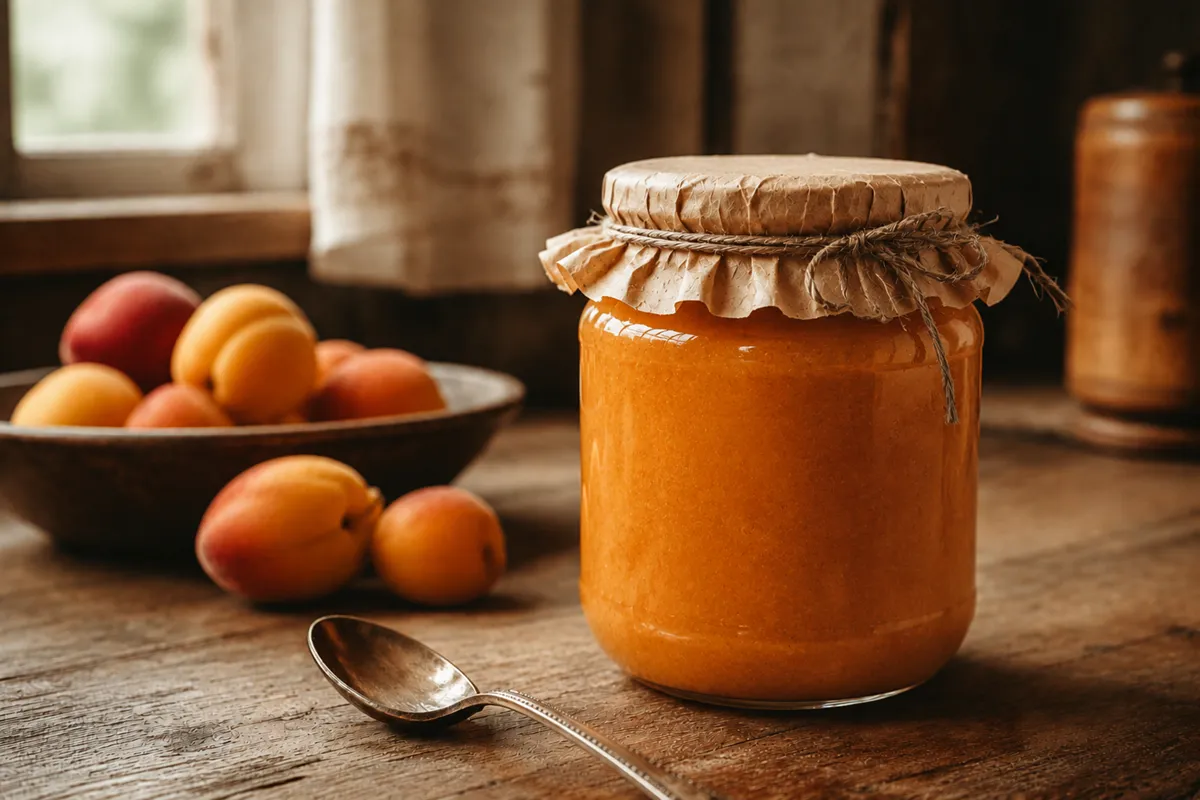
Whipped Apricot or Peach Preserve (No-Cook)
A silky, pale fruit spread made by whipping raw apricot or peach puree with sugar - no cooking required.
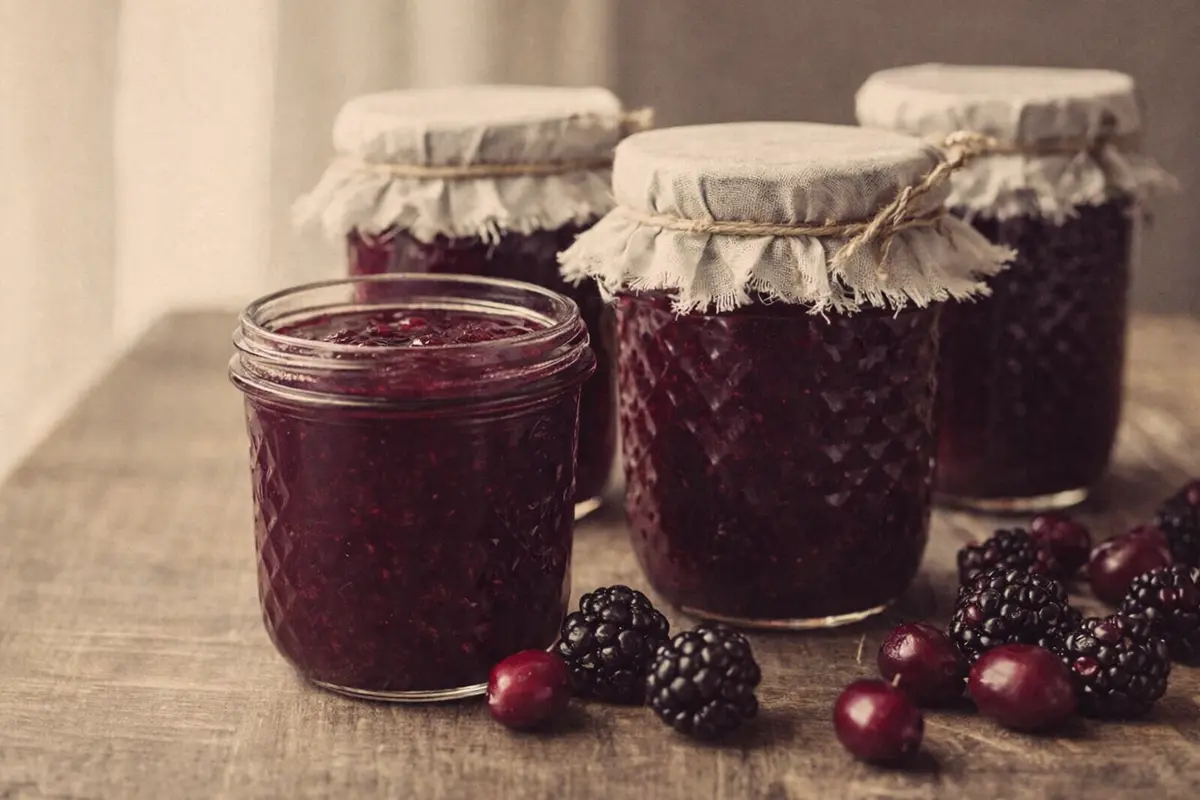
Blackberry and Cornelian Cherry Marmalade
Rich preserve combining tart cornelian cherries with sweet blackberries, cooked to thick consistency with a traditional two-fruit method.