Mince Fish Steaks
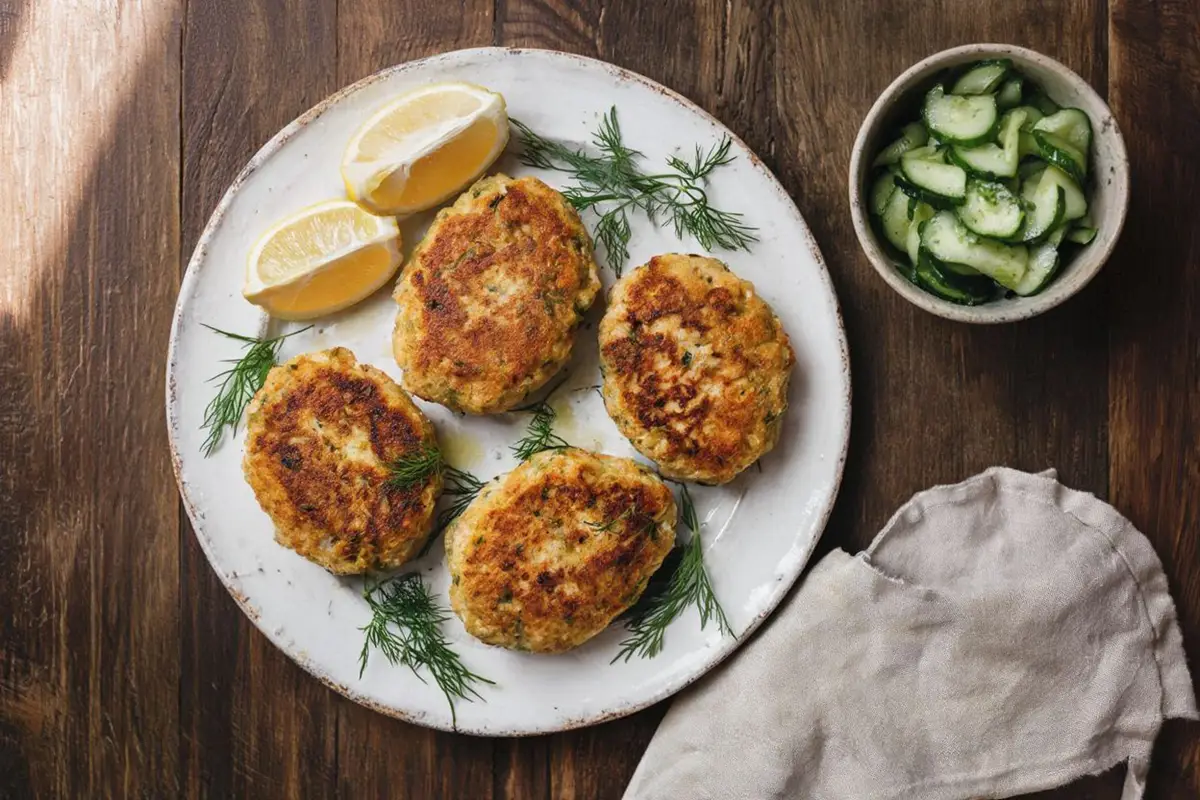
Tender pan-fried fish steaks made with ground pike or perch, enriched with a classic panade sauce for a juicy, old-world texture.
Quick Summary
Tender pan-fried fish steaks made with ground pike or perch, enriched with a classic panade sauce for a juicy, old-world texture.
Historical recipe
Modernised adaptation of an early 20th‑century source. Not independently kitchen-tested by Attic Recipes. Quantities, temperatures, and food safety guidance have been updated for a contemporary kitchen — results may vary and errors may exist. Nutritional values, where provided, are estimates only and have not been laboratory tested. Always follow current food safety guidelines for your region. If you have a health condition, allergy, or dietary requirement, consult a qualified professional before preparing this recipe.
Use of this recipe is entirely at your own risk and subject to our Terms of Service and Privacy Policy. Attic Recipes accepts no liability for any adverse outcome.
- Dairy
- Eggs
- Fish
- Gluten
Additional notes
-
Warning
This recipe contains a lightly cooked egg mixed into the fish mass. Raw or undercooked eggs carry a risk of Salmonella. Pregnant women, children under 5, elderly individuals, and immunocompromised persons should ensure the fish steaks are cooked to an internal temperature of 74°C (165°F) rather than the standard 63°C (145°F).
Use a pasteurized egg to eliminate Salmonella risk without changing the recipe.
-
Caution
Pike and perch are freshwater fish that may contain small pin bones even after careful filleting. Always run your fingers along the fillet against the grain before grinding.
Ask your fishmonger to debone the fillets, or use pre-filleted farmed perch.
-
Note
This recipe is high in saturated fat due to the substantial amount of butter used both in the mixture and for frying. Individuals managing cardiovascular conditions may wish to substitute neutral oil throughout.
Replace the 150g butter in the fish mixture with 80ml of good-quality olive oil, and fry in a neutral high-smoke-point oil such as sunflower or avocado oil.
- 1
Clean the fish fillets — remove all skin, bones, and any dark flesh. Rinse the fillets under cold water and pat dry. Cut into rough chunks and pass through a meat grinder (medium die) or pulse in a food processor until finely ground but not pureed.
Tip Keep the fish cold throughout. If it starts warming up, chill it for 10 minutes before continuing. - 2
Soak 150g of crustless white bread in 150ml of milk for 5 minutes until fully saturated. Squeeze out the excess milk, then pass the soaked bread through the meat grinder or mash it thoroughly with a fork.
- 3
In a small saucepan, melt 1 tbsp butter over medium heat. Stir in 1 tbsp flour and cook for 1 minute. Gradually pour in 200ml of milk, whisking constantly, until the sauce thickens into a heavy, paste-like consistency (a panade). Remove from heat and let cool to room temperature.
Tip The panade should be thick enough to hold its shape on a spoon — thicker than béchamel, almost like a stiff porridge. - 4
In a large bowl, combine the ground fish, ground bread, and 150g of softened butter. Add the cooled panade, 1 egg, salt, and white pepper. Mix thoroughly with a wooden spoon or your hands until the mixture is uniform and holds together.
Tip Chill the mixture for 15 minutes if it feels too soft to shape. - 5
Divide the mixture into 4 equal portions. Shape each into an oval steak, about 2cm thick. Dredge each steak in flour, coating all sides and shaking off the excess.
- 6
Heat butter or oil in a large frying pan over medium heat until shimmering. Add the fish steaks without crowding the pan. Fry for 7–10 minutes per side until deep golden brown and cooked through.
Tip Resist moving them too early — they need time to form a crust that will hold together when flipped. - 7
Transfer to a paper towel-lined plate to drain briefly. Serve immediately with fresh salads, pickled vegetables, or boiled potatoes.
Nutrition Information per 1 steak (approx. 220g)
Nutritional values are approximate estimates and may vary based on specific ingredients used, preparation methods, and portion sizes.
Serving Suggestions
Serve with crisp green salad, cucumber-dill salad, pickled beets, or boiled new potatoes with parsley. A wedge of lemon on the side cuts through the richness of the butter.
About This Recipe
Mince Fish Steaks are a forgotten gem of Central European home cooking — pan-fried patties of ground freshwater fish, enriched with a butter-heavy panade that keeps the interior remarkably moist and tender. Unlike modern fish cakes that rely on mashed potato as a binder, this version uses a classic flour-and-milk paste to achieve a silkier, more refined texture. The result is something closer to a quenelle than a fishcake — elegant enough for a Sunday table, simple enough for a weeknight.
Why It Works
The panade is the key. Cooking flour into butter and milk creates a starchy matrix that, when mixed into ground fish, holds moisture during frying and prevents the proteins from seizing and becoming rubbery. The 150g of butter incorporated directly into the fish mixture serves a second purpose: fat coats the protein strands, further inhibiting toughening. Together, these two techniques mean that even lean pike — which has almost no natural fat — stays succulent through 15–20 minutes of pan frying.
Fish Substitutions for a Global Kitchen
Pike (Esox lucius) and perch (Perca fluviatilis) are the traditional choices for this recipe, common across Central European rivers and lakes. However, both can be difficult to source outside of their native range. The key characteristics you’re looking for in a substitute are: lean, firm white flesh with low water content and mild flavor.
Good substitutes available in most markets:
- Walleye (North America) — the closest freshwater equivalent to pike in texture
- Zander / Pike-perch (Europe, widely farmed) — essentially the same fish as the original
- Cod or haddock (Atlantic, widely available) — slightly more moisture, works well if you squeeze the ground flesh before mixing
- Tilapia (global, farmed) — very mild, lean, holds shape well after grinding
- Pollock (Pacific or Atlantic) — budget-friendly, excellent texture for grinding
- Barramundi (Australia, Southeast Asia) — firm, sweet flesh, ideal substitute
Avoid oily fish (salmon, mackerel, sardines) — their high fat content will make the mixture greasy and the flavor overpowering.
Make-Ahead & Storage
The uncooked fish mixture can be prepared up to 24 hours in advance and stored covered in the refrigerator. Shape the steaks just before frying. Cooked steaks can be refrigerated for up to 2 days; reheat gently in a covered pan with a splash of water or in an oven at 160°C / 140°C fan (320°F) for 10 minutes.
First-Timer Notes
The mixture will feel soft and somewhat loose — this is normal. If it’s too wet to shape, refrigerate it for 15–20 minutes. When frying, use medium rather than high heat; rushing the crust with high heat risks burning the outside before the interior reaches safe temperature. A kitchen thermometer is the most reliable way to check doneness.
A classic of early 20th century home cooking, preserved and adapted for the modern kitchen.
The Story Behind This Recipe
Historical Context
Ground fish preparations were a practical staple in early 20th century Central European kitchens, where whole freshwater fish were abundant but feeding a family economically required stretching expensive cuts. The panade technique — binding ground meat or fish with a thick flour-and-milk paste — was standard practice across Austro-Hungarian household cooking, producing a tender texture that simply frying whole fillets could not achieve.
Modern Kitchen Adaptation
The original recipe does not specify milk quantities; standard culinary ratios have been applied (150ml for soaking, 200ml for the panade). Frying in neutral oil rather than butter is suggested as a modern alternative for a crispier exterior and higher smoke point. Internal temperature should reach 63°C (145°F) as per current food safety guidelines.
This recipe is an independent modern adaptation developed from historical sources in the public domain. It is provided for informational and educational purposes only and does not constitute professional dietary, nutritional, or medical advice. Food preparation involves inherent risks. The reader assumes full responsibility for safe food handling, ingredient sourcing, and adherence to current local food safety guidelines. The site operator accepts no liability for outcomes resulting from the preparation or consumption of this recipe.
One recipe.
Every week.
You Might Also Like
More recipes from the same category
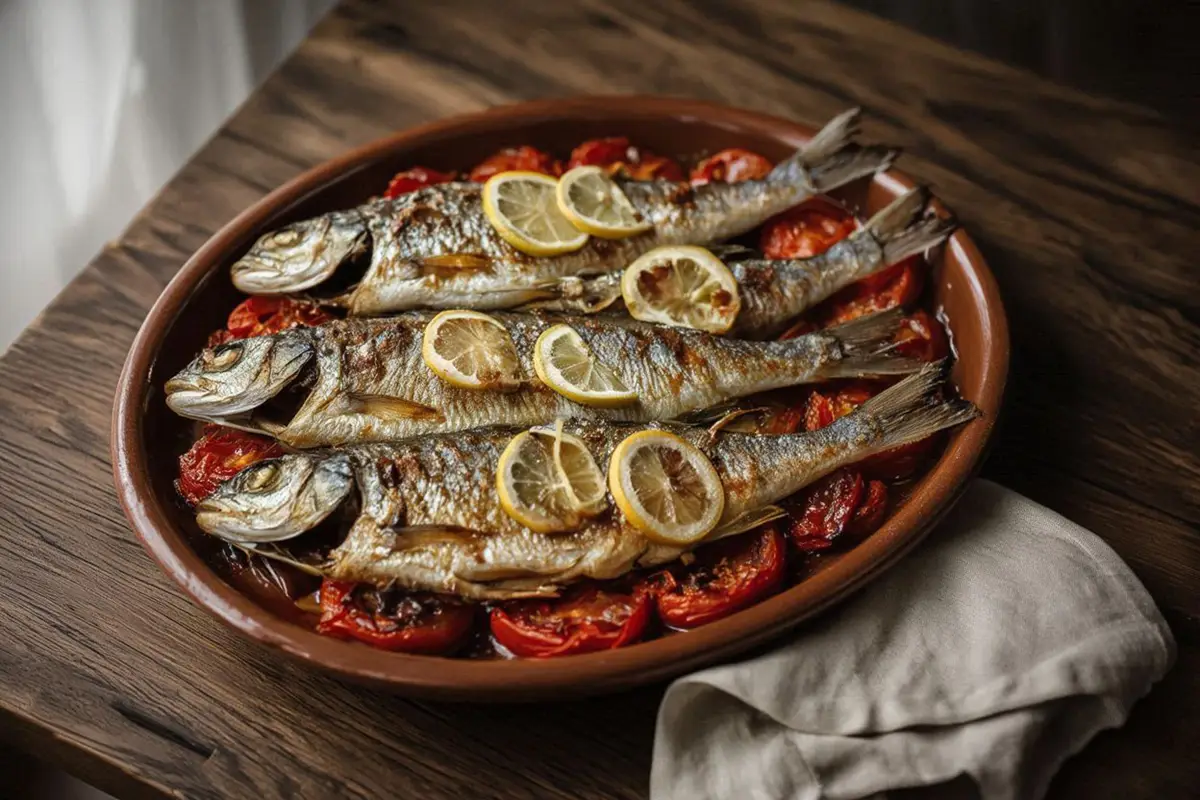
Baked Fish with Tomatoes
Whole fish baked over ripe tomatoes with generous olive oil and lemon — a simple, fragrant Central European oven dish.
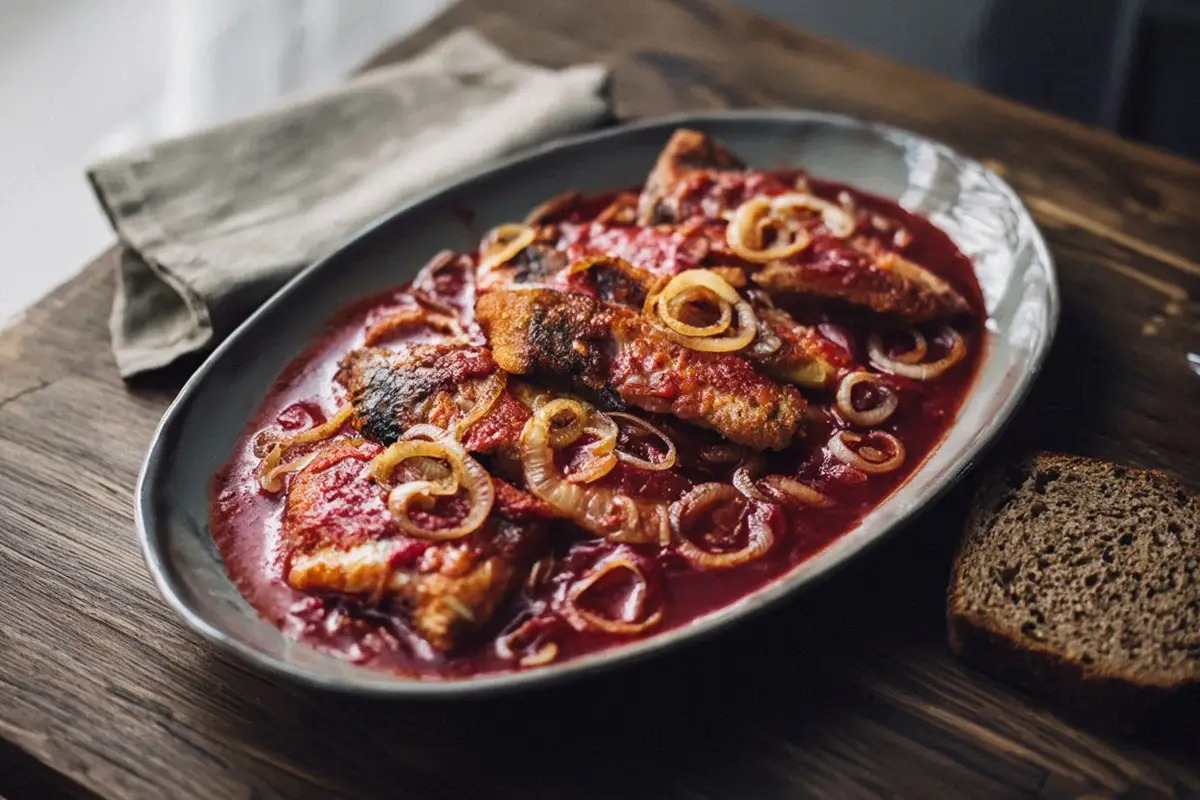
Cold Fish in Tomato and Beetroot Sauce
Fried carp or catfish marinated for hours in a vivid sauce of grated beetroot, root vegetables, and tomato. A Central European cold appetizer.
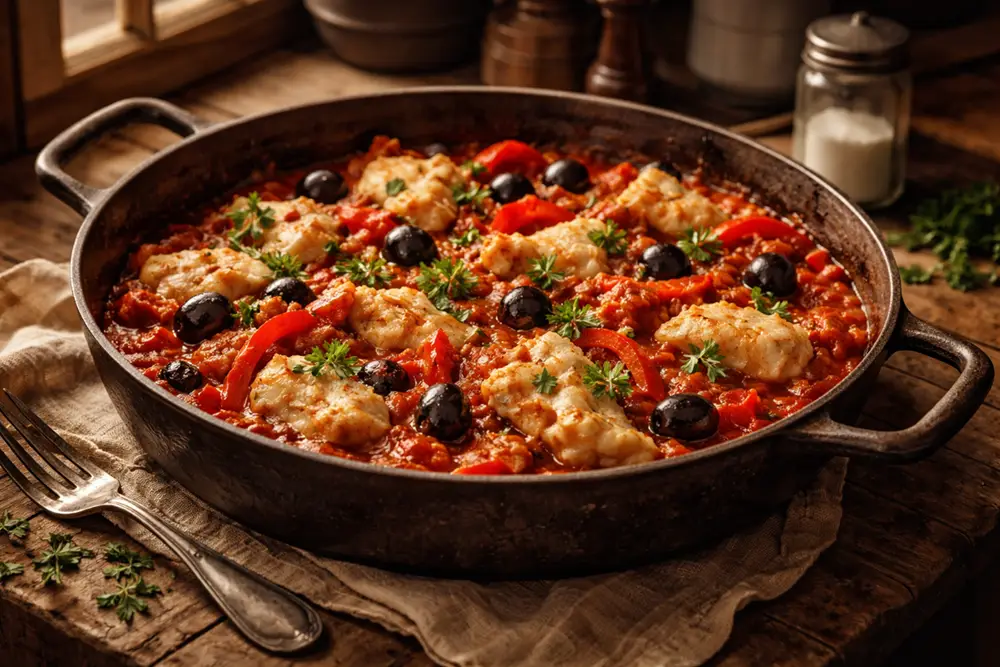
Cod with Tomatoes, Peppers and Black Olives
Salt cod braised with fresh tomatoes, red onion, garlic, bell peppers and black olives in olive oil.