Muscat Grapes in Spiced Sugar Syrup
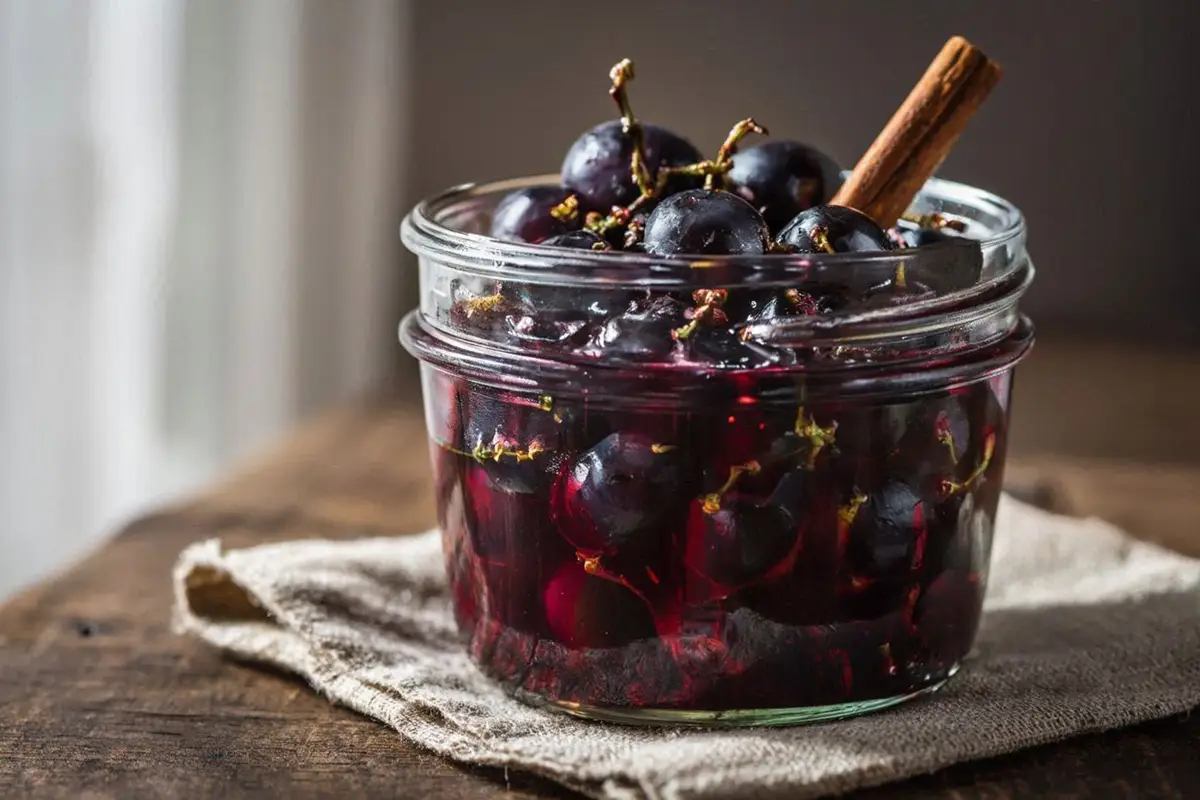
Whole Muscat Hamburg grapes preserved in rich cinnamon and vanilla sugar syrup.
Quick Summary
Whole Muscat Hamburg grapes preserved in rich cinnamon and vanilla sugar syrup.
Historical recipe
Modernised adaptation of an early 20th‑century source. Not independently kitchen-tested by Attic Recipes. Quantities, temperatures, and food safety guidance have been updated for a contemporary kitchen — results may vary and errors may exist. Nutritional values, where provided, are estimates only and have not been laboratory tested. Always follow current food safety guidelines for your region. If you have a health condition, allergy, or dietary requirement, consult a qualified professional before preparing this recipe.
Use of this recipe is entirely at your own risk and subject to our Terms of Service and Privacy Policy. Attic Recipes accepts no liability for any adverse outcome.
Safety note
Pouring boiling syrup into cold jars will cause them to crack or shatter. Always preheat filled jars gradually at 60°C for 15–20 minutes before adding hot syrup.
Use a low oven at 60°C (140°F) — consistent and reliable for preheating multiple jars at once.
Safety note
Do not add sodium benzoate or any similar chemical preservative to this recipe. The sugar concentration is sufficient for safety when proper technique is followed.
Rely on correct sugar ratio and proper jar sealing. For additional safety, use a water bath at 85°C for 15 minutes after sealing.
Additional notes
-
Warning
Use only firm, undamaged grapes. Soft or bruised berries will break down and may cause fermentation or spoilage.
-
Warning
Check seals after cooling — hermetic jar lids should be concave (pulled inward). Any lid that flexes or pops has not sealed properly; refrigerate and consume within one week.
-
Warning
High sugar content (50g per 100g serving). Not suitable for those with diabetes or insulin sensitivity.
Serve in small portions as a condiment.
-
Note
If the syrup appears cloudy, fermented, or off-smelling when opened, discard the entire jar without tasting. Refrigerate after opening and consume within 5–7 days.
- 1
Wash the grapes thoroughly in several changes of water. Remove any damaged, soft, or discolored berries. Using scissors, cut the bunch into small clusters — each with its own short section of stalk. Do not pull individual berries free.
- 2
Lay the clusters on a clean cloth and allow to drain and dry completely. No surface moisture should remain before jarring.
- 3
Use smaller jars rather than large ones — once opened, a smaller jar will be finished quickly, reducing the risk of spoilage. Wash jars thoroughly.
- 4
Pack the grape clusters loosely into the jars, leaving the neck of each jar empty. Do not compress the fruit.
- 5
Place the filled, unsealed jars on a folded cloth or trivet in a low oven at 60°C (140°F) for 15–20 minutes to warm gradually. Both jars and fruit must be warm — not cold — before the syrup is added. This prevents thermal shock and cracking.
Tip Never pour boiling syrup into cold glass jars — they will crack or shatter. - 6
Combine the sugar, water, cinnamon stick, and split vanilla pod in a saucepan. Bring to a full rolling boil over high heat.
- 7
Working quickly, ladle the boiling syrup into the warm jars one cup at a time, pouring slowly and carefully. The syrup should fill the jar completely and overflow slightly over the top of the grapes.
- 8
Seal immediately. For hermetic (rubber-seal) lids, close tightly at once. For ordinary jars, cover the opening with a layer of clean cloth followed by parchment paper, and tie tightly with string.
- 9
Leave the sealed jars undisturbed in a cool place to cool completely. Do not move while hot.
Tip For modern shelf-stable storage, process sealed jars in a water bath at 85°C for 15 minutes after sealing.
Nutrition Information per 100g grapes with syrup
Nutritional values are approximate estimates and may vary based on specific ingredients used, preparation methods, and portion sizes.
Serving Suggestions
Serve cold alongside roasted lamb, duck, or pork — the sweet spiced syrup cuts through rich fats. Excellent on a cheese board with soft brie, aged pecorino, or blue cheese. Serve as a dessert with thick cream or vanilla ice cream. The reserved syrup makes an exceptional base for cocktails or diluted with sparkling water.
About This Recipe
Not every preserve begins with cooking the fruit. This one begins with patience — washing, drying, packing whole grape clusters into jars with nothing more than cinnamon and vanilla, then flooding them with boiling syrup and sealing immediately. The grapes emerge from winter storage intact: dark, fragrant, suspended in a syrup that has slowly absorbed their flavor over months.
Why It Works
The 4:1 sugar-to-water ratio produces a syrup so concentrated that spoilage organisms cannot survive in it — the same principle that makes honey shelf-stable indefinitely. The cinnamon and vanilla do not merely flavor the preserve; both have documented antimicrobial properties that would have been understood empirically by the households that developed this technique, long before food science had the language to explain it.
On the Original Preservative
The original recipe calls for a commercial preservative sold under a trade name no longer in use — almost certainly sodium benzoate-based. This product is not needed here: the sugar concentration alone, combined with proper jar preparation and sealing technique, provides adequate preservation. The modernAdaptation section describes a water bath method for additional safety.
Preheating the Jars
The most critical step in this recipe is one the original barely explains: the jars must be warm before the boiling syrup goes in. Cold glass and boiling liquid do not coexist — the thermal shock will crack or shatter the jar. A low oven at 60°C for 15–20 minutes is the most reliable method. Do not rush this step.
A classic of early 20th century home cooking, preserved and adapted for the modern kitchen.
The Story Behind This Recipe
Historical Context
Muscat Hamburg was one of the most prized table grape varieties in late 19th and early 20th century Central European households — large, dark, and intensely aromatic, grown in kitchen gardens and vineyards alike. Preserving whole grapes in sugar syrup was considered a refined household skill, distinct from jam-making: the goal was to maintain the grape's shape, color, and fragrance through winter. The instruction to use smaller jars reflects practical pre-refrigeration wisdom — an opened jar needed to be finished quickly to prevent spoilage. The original recipe also references a commercial preservative sold under a trade name no longer in use; this adaptation relies entirely on sugar concentration and proper sealing instead.
Modern Kitchen Adaptation
The gradual preheating of filled jars before adding boiling syrup is essential — do not skip this step. A low oven at 60°C for 15–20 minutes is reliable and consistent. For added safety, process sealed jars in a water bath at 85°C for 15 minutes — this is not in the original recipe but significantly improves shelf stability. The 4:1 sugar-to-water ratio produces a very heavy syrup; if you prefer a lighter preserve, reduce sugar to 2.5kg per litre of water, but note that shelf life will decrease accordingly. Do not use sodium benzoate or similar chemical preservatives — the sugar concentration alone is sufficient when proper technique is followed.
This recipe is an independent modern adaptation developed from historical sources in the public domain. It is provided for informational and educational purposes only and does not constitute professional dietary, nutritional, or medical advice. Food preparation involves inherent risks. The reader assumes full responsibility for safe food handling, ingredient sourcing, and adherence to current local food safety guidelines. The site operator accepts no liability for outcomes resulting from the preparation or consumption of this recipe.
One recipe.
Every week.
You Might Also Like
More recipes from the same category
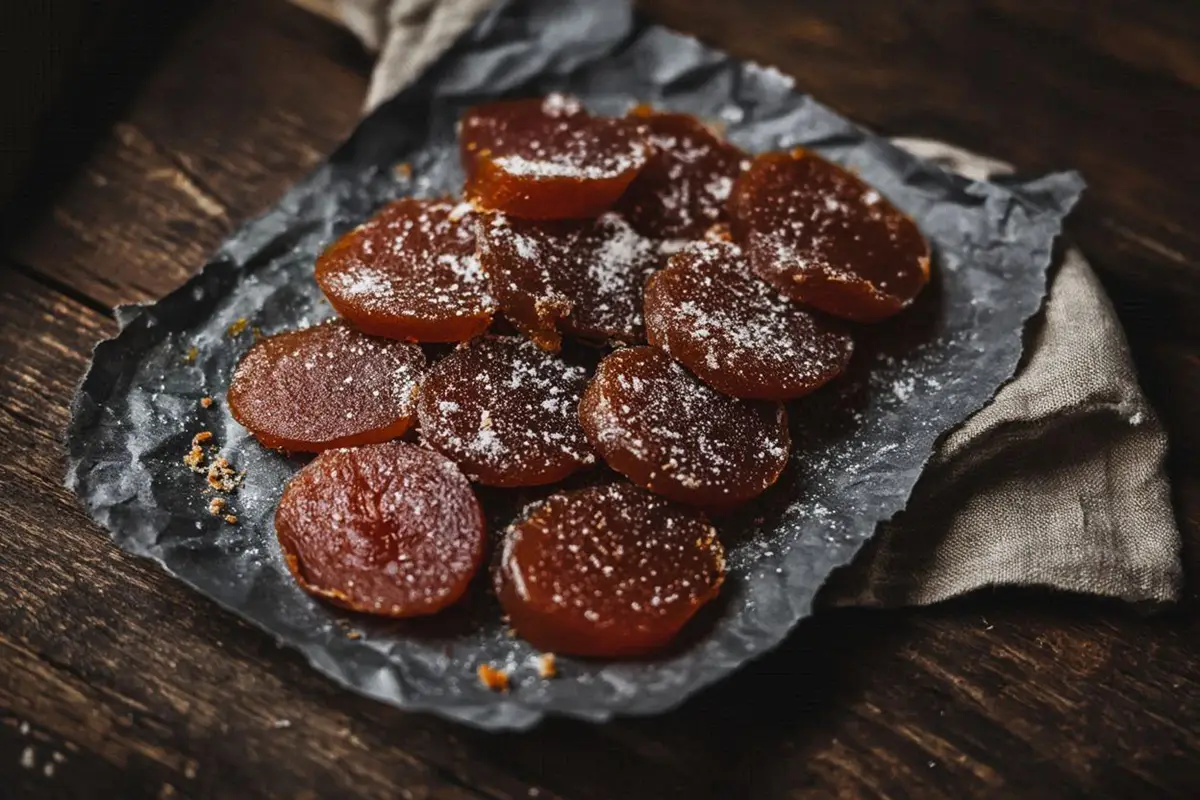
Apricot Fruit Paste
Sieved ripe apricots cooked with equal weight sugar and lemon juice, poured into molds and air-dried — from early 20th century Central European kitchens.
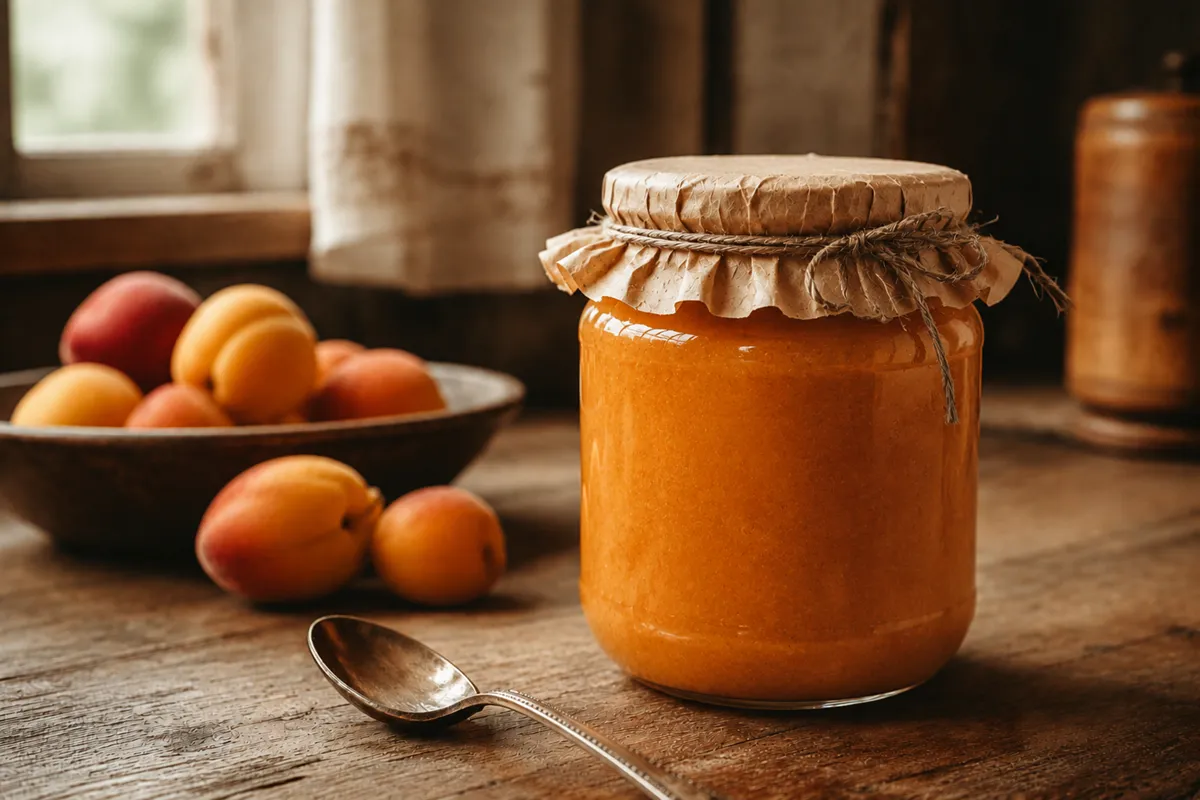
Whipped Apricot or Peach Preserve (No-Cook)
A silky, pale fruit spread made by whipping raw apricot or peach puree with sugar - no cooking required.
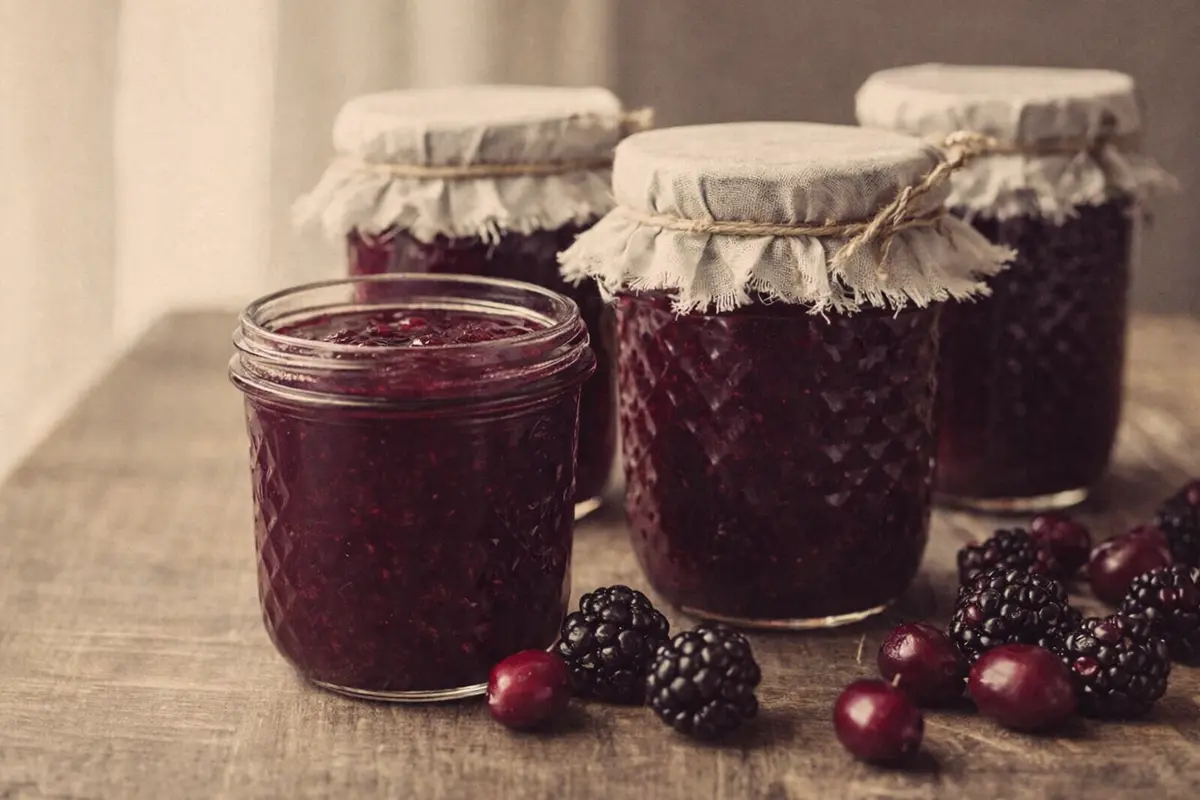
Blackberry and Cornelian Cherry Marmalade
Rich preserve combining tart cornelian cherries with sweet blackberries, cooked to thick consistency with a traditional two-fruit method.