Peaches with Rum
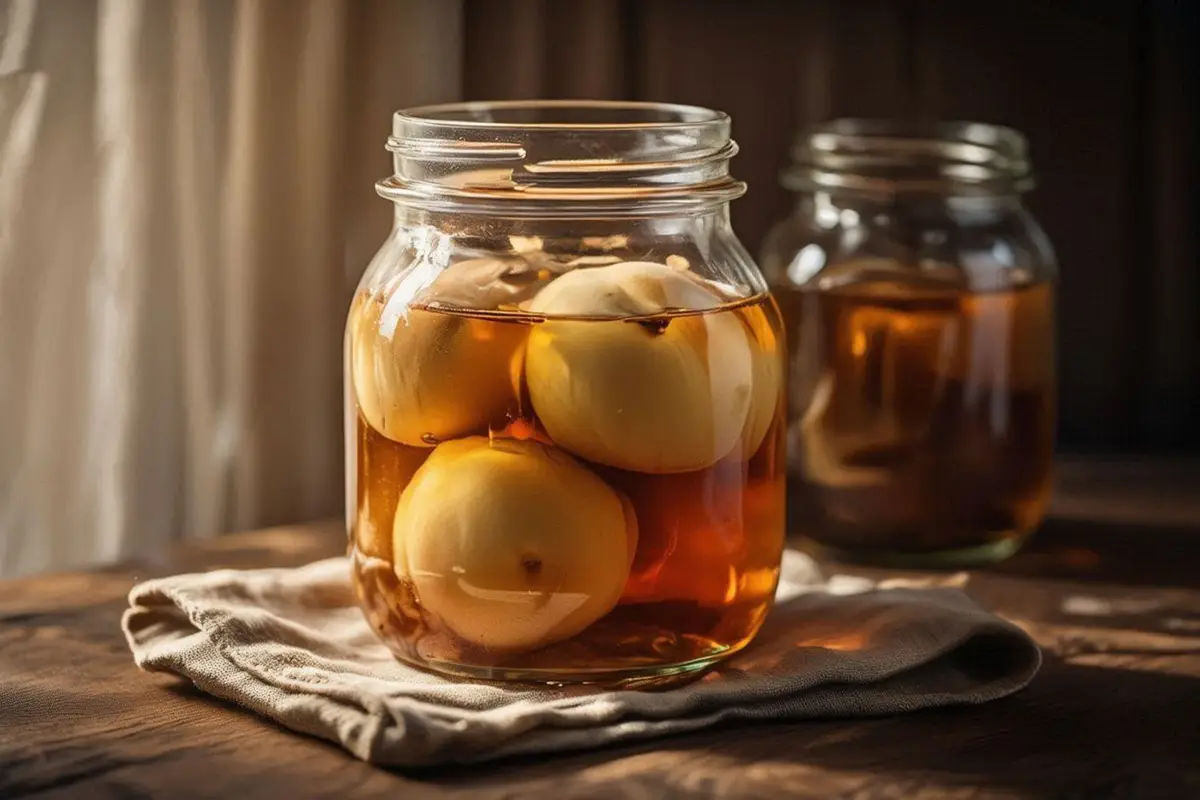
Whole peaches treated to stay pale, packed in jars with a light rum and sugar syrup — a traditional Central European winter preserve.
Quick Summary
Whole peaches treated to stay pale, packed in jars with a light rum and sugar syrup — a traditional Central European winter preserve.
Historical recipe
Modernised adaptation of an early 20th‑century source. Not independently kitchen-tested by Attic Recipes. Quantities, temperatures, and food safety guidance have been updated for a contemporary kitchen — results may vary and errors may exist. Nutritional values, where provided, are estimates only and have not been laboratory tested. Always follow current food safety guidelines for your region. If you have a health condition, allergy, or dietary requirement, consult a qualified professional before preparing this recipe.
Use of this recipe is entirely at your own risk and subject to our Terms of Service and Privacy Policy. Attic Recipes accepts no liability for any adverse outcome.
- Sulphites
Safety note
Do not perform open sulfur fumigation indoors or in enclosed spaces. Sulfur dioxide gas is toxic to inhale. Use food-grade potassium metabisulfite solution as the modern alternative.
Dissolve 1 tsp food-grade potassium metabisulfite per liter of cold water. Soak peaches 10 minutes, rinse thoroughly.
Safety note
Do not add salicylic acid to this or any recipe. It is not approved as a food additive in the EU and poses gastrointestinal health risks at the concentrations used in historical recipes.
Increase sugar ratio to 1:2 or water-bath process jars for equivalent preservation without salicylic acid.
Safety note
If the syrup appears cloudy, shows signs of fermentation, or the jar is under pressure when opened, discard without tasting. Risk of botulism in improperly sealed preserves.
Ensure proper water-bath processing and verified seal before long-term storage.
Additional notes
-
Warning
The light syrup ratio (1 kg sugar to 4 liters water) provides limited preservation without salicylic acid. Unsealed or unprocessed jars risk fermentation or mold.
Water-bath process sealed jars at 85°C for 20–25 minutes, or increase sugar to 1 kg per 2 liters water.
-
Warning
This preserve contains alcohol (rum). Not suitable for children or those avoiding alcohol.
Omit rum for an alcohol-free version; compensate with water-bath processing and higher sugar ratio.
-
Caution
Check seals carefully after cooling. Lids must be firm and concave. Any lid that flexes has not sealed — refrigerate and consume within one week.
- 1
Peel the peaches carefully, keeping them whole and undamaged.
- 2
Prepare the metabisulfite soak: dissolve 1 teaspoon of food-grade potassium metabisulfite per liter of cold water. Submerge the peeled peaches and soak for 10 minutes, then drain and rinse thoroughly in several changes of cold water.
- 3
Drain the rinsed peaches on a clean cloth until completely dry.
- 4
Warm the jars in a low oven (60°C) or by filling briefly with hot water. Pack the drained peaches snugly into the warm jars.
- 5
Prepare the syrup: combine the sugar and water in a saucepan. Bring to a full boil, stirring until the sugar dissolves completely. Skim any foam.
- 6
Remove the syrup from the heat. Add the rum and stir to combine.
- 7
Pour the hot syrup over the packed peaches immediately, filling the jars completely to the top.
- 8
Seal the jars tightly with hermetic lids. For modern food safety, process the sealed jars in a water bath at 85°C for 20–25 minutes. Cool on a rack. Check that lids are firm and concave before storing.
- 9
Store in a cool, dark place. Refrigerate after opening and consume within one week.
Nutrition Information per 1 peach with syrup (approx. 230g)
Nutritional values are approximate estimates and may vary based on specific ingredients used, preparation methods, and portion sizes.
Pro Tips
- Choose peaches that are firm and just underripe — fully ripe fruit will turn mushy in the hot syrup.
- If you cannot find potassium metabisulfite locally, the peaches will oxidize slightly but are still safe to preserve. Increase the water bath processing time by 5 minutes.
- The rum syrup makes an excellent cocktail base or dessert drizzle — save any leftover syrup after jarring.
Serving Suggestions
Serve cold from the jar as a winter dessert fruit. Excellent alongside thick cream, crème fraîche, or vanilla ice cream. The rum syrup can be drizzled over cake or stirred into hot tea. Also works well on a cheese board with soft fresh cheese, or as a festive accompaniment to roasted pork or duck.
About This Recipe
Peaches with rum is a striking winter preserve from the early 20th century Central European kitchen — whole peeled peaches, kept pale by an anti-oxidant treatment, packed into jars and covered with a light syrup spiked with dark rum. The result is aromatic and elegant: fruit that holds its shape and color through the winter, in a syrup that carries both sweetness and the faint warmth of rum. It is the kind of preserve made in summer specifically to be opened at the table in December.
Why It Works
This recipe is a study in layered preservation. No single technique carries the full load — instead, three systems work together: the metabisulfite soak prevents oxidative browning and inhibits surface mold; the sugar syrup creates an osmotic environment hostile to spoilage organisms; and the rum contributes genuine antimicrobial activity even at low concentrations. Earlier versions of this preparation also used salicylic acid as a fourth layer — now omitted. The modern water-bath processing replaces that fourth layer with heat-driven vacuum sealing — a more reliable mechanism and a safer one.
On Sulfuring
A traditional technique for this style of preserve involved fumigating fruit with sulfur dioxide gas — peaches held above smoldering sulfur coals in a covered vessel. The fruit turned completely white from the treatment, a visual marker of quality immediately recognized by any cook of the period.
This is the same chemistry that winemakers use when they add potassium metabisulfite to must. The modern equivalent, food-grade potassium metabisulfite dissolved in cold water, achieves the same chemical result without the uncontrolled gas concentration of open burning. One teaspoon per liter of cold water, ten minutes of soaking, a thorough rinse: the peaches emerge pale, protected, and ready for jarring.
On Salicylic Acid
Some early 20th century versions of this preserve added a small amount of salicylic acid to the syrup. This was common practice in Central European home preserving from the late 19th century — the substance was sold in pharmacies specifically for this purpose and was considered safe at the quantities used. It is now classified as a non-permitted food additive in the EU and poses gastrointestinal risks at preserving concentrations. It is not included in this adaptation and should not be added.
A classic of early 20th century home preserving — built to last a winter in the cellar, adapted to last safely in your kitchen.
The Story Behind This Recipe
Historical Context
Sulfuring fruit before preserving was standard practice in early 20th century Central European households. Sulfur dioxide gas prevented the oxidative browning of pale-fleshed fruits and inhibited mold and bacteria, producing jars of white, beautifully preserved peaches that were considered a mark of quality. Salicylic acid added to the syrup — sold in pharmacies across the region specifically for preserving purposes — was also widely used and considered safe at the time. Rum contributed genuine antimicrobial preservation alongside the sugar and acid, creating a multiply-preserved product stable enough to last a full winter in a cellar.
Modern Kitchen Adaptation
Open sulfur burning is not safe for modern home use — the concentration of SO₂ is uncontrolled and poses a respiratory hazard. Food-grade potassium metabisulfite (vinobran or Campden tablets), dissolved in cold water at 1 teaspoon per liter, achieves the identical preserving and anti-browning effect safely. Rinse the peaches well after soaking. Salicylic acid must not be used — it is classified as a non-permitted food additive in the EU and should not be added to any recipe. The light 1:4 sugar syrup provides limited preservation without the original salicylic acid; either increase the sugar ratio to 1:2 (1 kg per 2 liters water) or water-bath process the sealed jars at 85°C for 20–25 minutes. Historically correct fat where applicable: none in this recipe.
This recipe is an independent modern adaptation developed from historical sources in the public domain. It is provided for informational and educational purposes only and does not constitute professional dietary, nutritional, or medical advice. Food preparation involves inherent risks. The reader assumes full responsibility for safe food handling, ingredient sourcing, and adherence to current local food safety guidelines. The site operator accepts no liability for outcomes resulting from the preparation or consumption of this recipe.
One recipe.
Every week.
You Might Also Like
More recipes from the same category
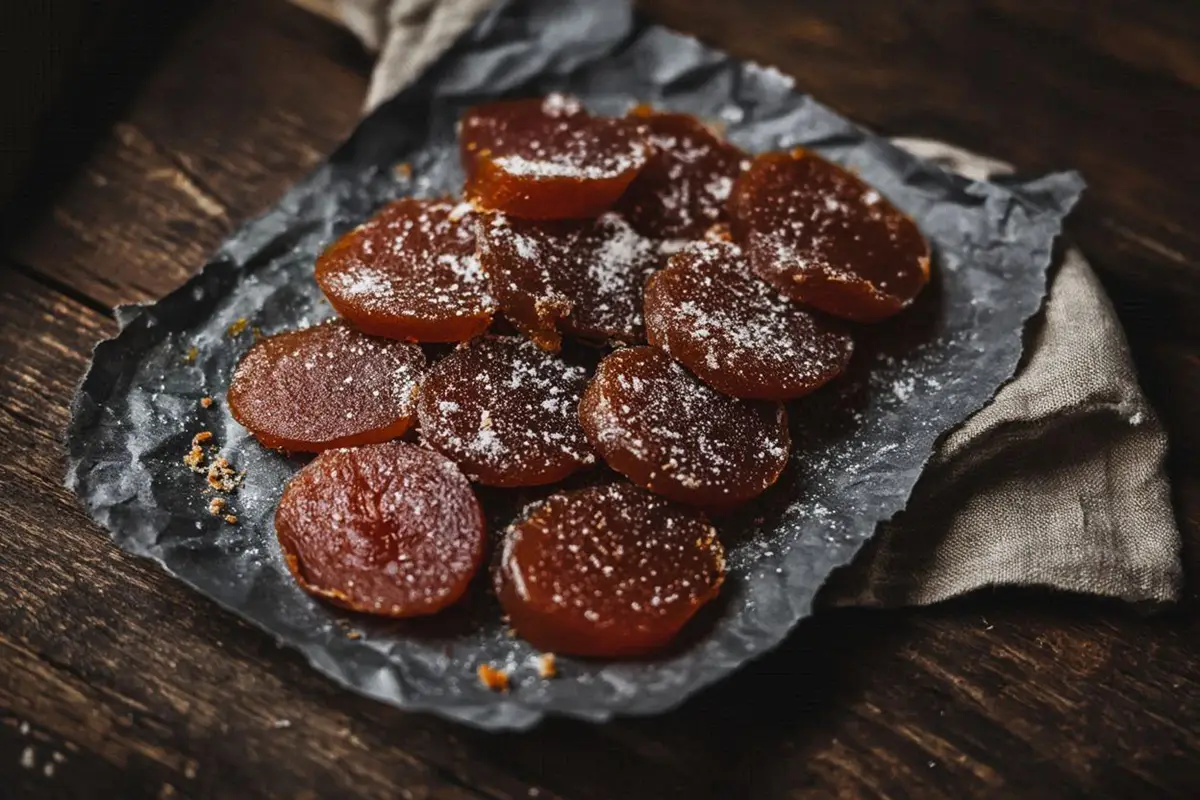
Apricot Fruit Paste
Sieved ripe apricots cooked with equal weight sugar and lemon juice, poured into molds and air-dried — from early 20th century Central European kitchens.
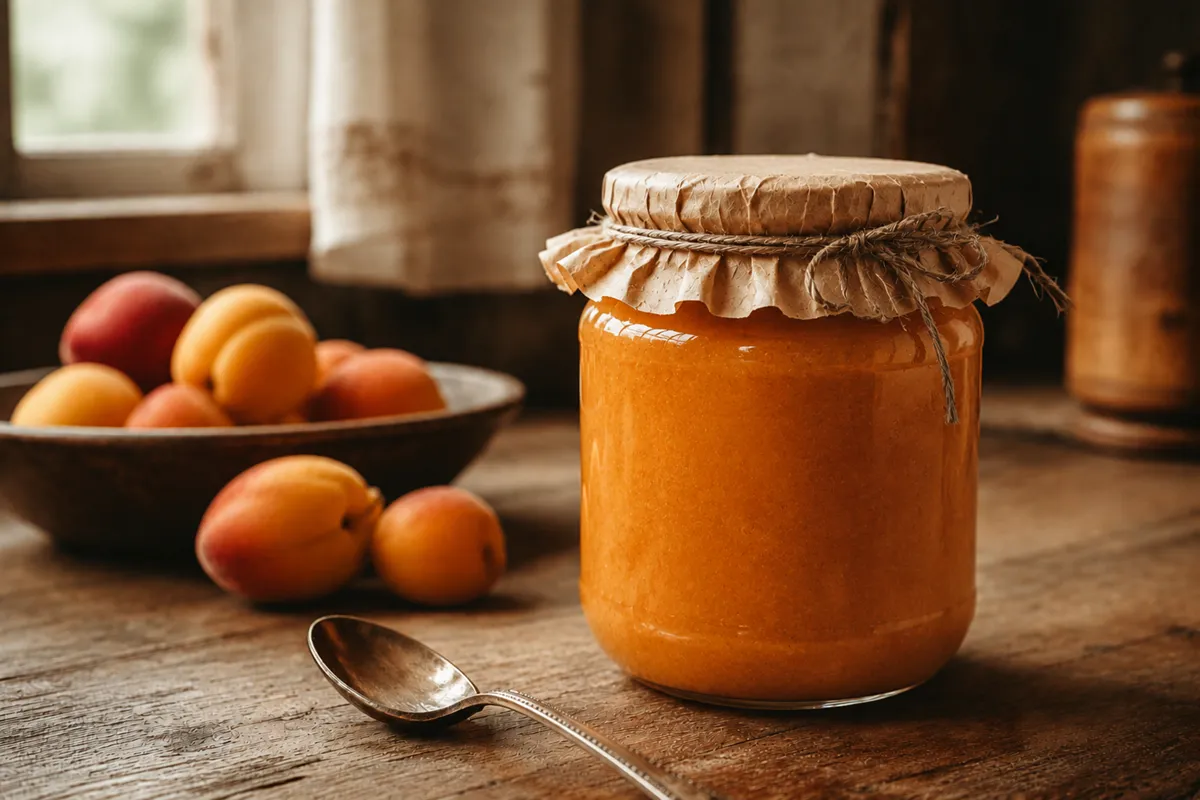
Whipped Apricot or Peach Preserve (No-Cook)
A silky, pale fruit spread made by whipping raw apricot or peach puree with sugar - no cooking required.
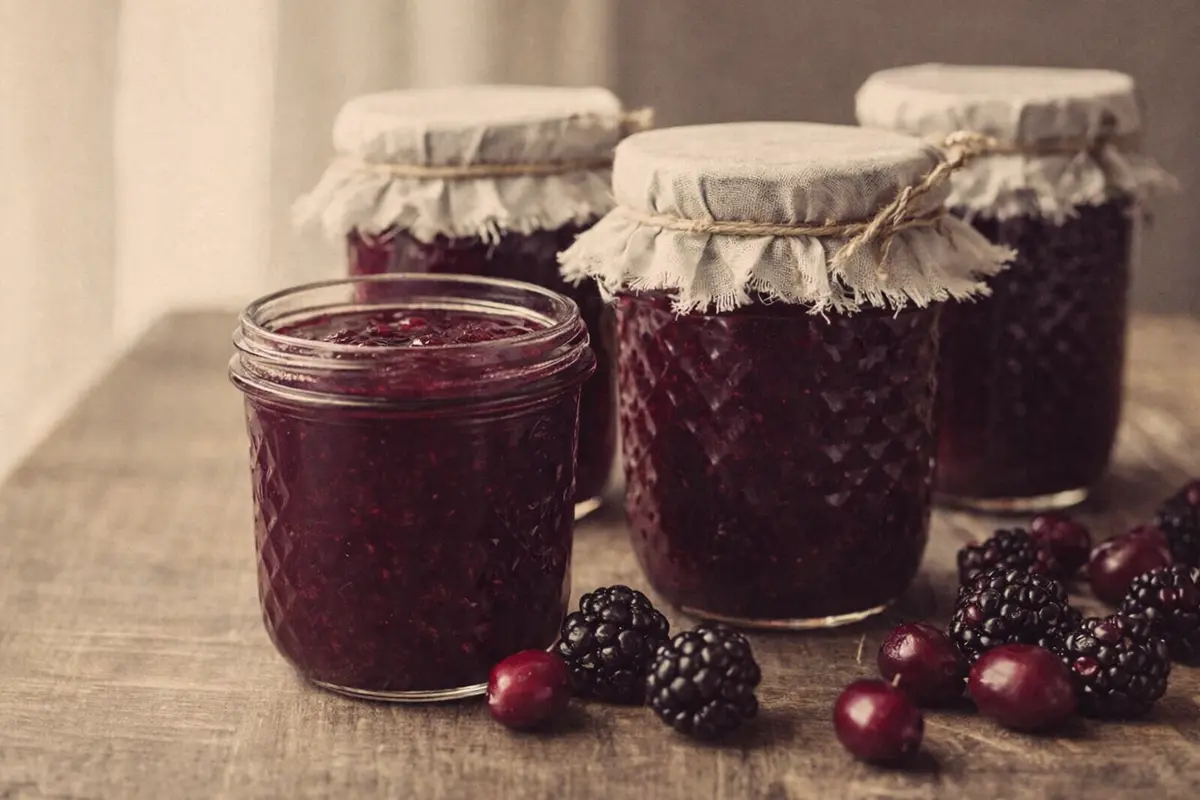
Blackberry and Cornelian Cherry Marmalade
Rich preserve combining tart cornelian cherries with sweet blackberries, cooked to thick consistency with a traditional two-fruit method.