Plums in Wine Vinegar
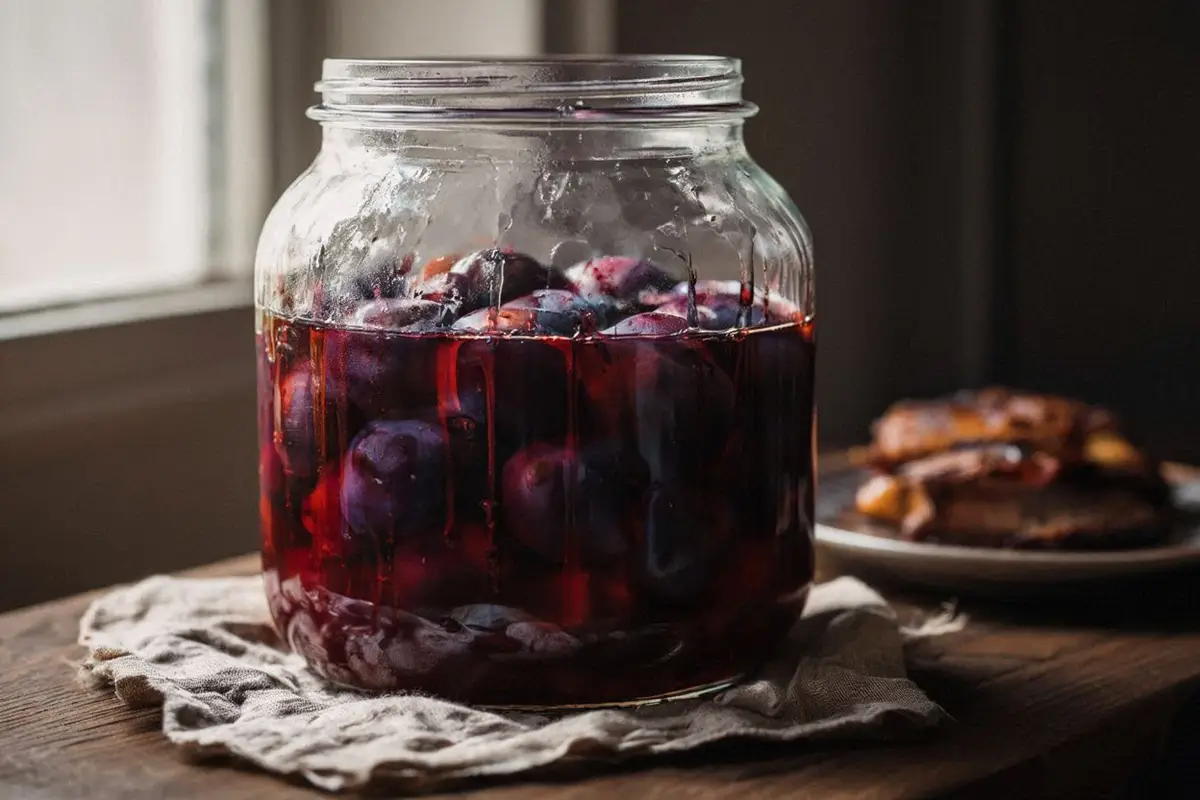
Hungarian plums briefly cooked in a sweet wine vinegar syrup, bottled hot — a classic sweet-sour condiment alongside roasted meats.
Quick Summary
Hungarian plums briefly cooked in a sweet wine vinegar syrup, bottled hot — a classic sweet-sour condiment alongside roasted meats.
Historical recipe
Modernised adaptation of an early 20th‑century source. Not independently kitchen-tested by Attic Recipes. Quantities, temperatures, and food safety guidance have been updated for a contemporary kitchen — results may vary and errors may exist. Nutritional values, where provided, are estimates only and have not been laboratory tested. Always follow current food safety guidelines for your region. If you have a health condition, allergy, or dietary requirement, consult a qualified professional before preparing this recipe.
Use of this recipe is entirely at your own risk and subject to our Terms of Service and Privacy Policy. Attic Recipes accepts no liability for any adverse outcome.
- Sulphites
Safety note
If the syrup appears cloudy, shows signs of fermentation, or the jar is under pressure when opened, discard without tasting.
Additional notes
-
Warning
Pour hot syrup into warm sterilized jars only — cold jars will crack from thermal shock.
Keep jars warm in a low oven (60°C) or filled with hot water until the moment of filling.
-
Caution
Check seals after cooling. Lids must be firm and concave. Any lid that flexes has not sealed properly — refrigerate and consume within one week.
Water-bath process at 85°C for 10 minutes for a reliable hermetic seal.
- 1
Wash the plums thoroughly. Do not pit them — they are preserved and served whole.
- 2
Combine the water, sugar, and wine vinegar in a large saucepan. Bring to a full boil, stirring until the sugar dissolves completely.
- 3
Add the whole plums to the boiling syrup. Cook for exactly 5 minutes over medium-high heat. Do not overcook — the plums should be heated through and just beginning to soften, but must remain whole and intact.
- 4
Remove from heat immediately. While the plums cook, sterilize large jars — fill with boiling water, empty, and keep warm in a low oven.
- 5
Using a slotted spoon, pack the plums quickly into the warm sterilized jars. Pour the hot syrup over the plums, filling the jars completely to the top.
- 6
Seal immediately while hot — hermetic lids or parchment paper tied tightly with string. Leave undisturbed to cool completely. The hot fill creates a light vacuum seal as the contents cool.
- 7
For additional safety and longer shelf life, process the sealed jars in a water bath at 85°C for 10 minutes after sealing. Store in a cool, dark place. Allow at least 2 weeks before opening.
Nutrition Information per 100g plums with syrup
Nutritional values are approximate estimates and may vary based on specific ingredients used, preparation methods, and portion sizes.
Serving Suggestions
The traditional use: spooned cold from the jar as a condiment alongside roasted pork, lamb, or duck. Also excellent with grilled sausages (kobasice) as a sweet-sour accompaniment, on a charcuterie board with cured meats and aged cheese, or alongside pâté and liver terrine. The syrup reduced slightly makes an excellent glaze for roasting pork in the last 15 minutes of cooking.
About This Recipe
The Central European table has always made room for sweet-sour things alongside meat — ajvar, turšija, pickled watermelon rind, fermented vegetables of every kind. This plum preserve belongs firmly to that tradition. Hungarian plums cooked for exactly five minutes in a sweet wine vinegar syrup, bottled hot and sealed: five ingredients, five minutes, immediate bottling. The recipe’s brevity is the result of knowing precisely what is needed and nothing more.
Why It Works
The Hungarian plum — dense, firm, relatively dry-fleshed — is specified for good reason. Its low moisture content means it survives five minutes in boiling syrup structurally intact, emerging whole and just softened rather than burst. Softer, juicier varieties will collapse. The wine vinegar provides genuine acidity that both preserves and balances the sugar, while the hot-fill method creates a light vacuum seal as the contents cool. The result is a sharply flavored, clean-syruped condiment that cuts through the richness of roasted pork or duck in exactly the way it is meant to.
Five Minutes, Not Six
The cooking time is precise and matters. At five minutes, the plums are heated through, the skins just beginning to yield, the flesh still firm. At seven or eight minutes, the skins split and the flesh softens past the point of recovery. Watch the pot. Remove it from the heat the moment the time is up.
As a Condiment
These plums are not a dessert. They are spooned cold from the jar alongside roasted meat — pork, duck, lamb — providing the sweet-sour contrast that makes rich food more interesting. The syrup itself, reduced slightly in a small pan, makes an excellent glaze for pork in the last fifteen minutes of roasting.
Five ingredients, five minutes — one of the simplest and most useful things you can put in a jar.
The Story Behind This Recipe
Historical Context
Pickled and sweet-sour preserved plums appear throughout Central European and Ottoman culinary traditions — a reflection of the region's long history of using fruit as a savory condiment rather than purely a dessert ingredient. The Hungarian plum (mađarica, Požegača, Bistrica) was the variety of choice across the region for plum brandy, dried prunes, and preserves of this kind. Its firm, dense, relatively dry flesh makes it suitable for brief cooking without collapsing and for long storage without turning to mush. The instruction to serve these plums as a condiment with roast reflects the traditional Central European table, where sweet-sour accompaniments — turšija, ajvar, and pickled fruit — were standard alongside meat, providing acidity and brightness to cut through rendered fat.
Modern Kitchen Adaptation
Five minutes of cooking is correct and should not be extended. Overcooking produces burst, mushy plums in a cloudy syrup. For additional safety and longer shelf life, process the sealed jars in a water bath at 85°C for 10 minutes — the wine vinegar provides good acidity but the sugar ratio is moderate. The syrup can be spiced if desired: a cinnamon stick, a few cloves, or a bay leaf added to the initial boil and removed before bottling are all historically plausible additions, though the period preparation uses none.
This recipe is an independent modern adaptation developed from historical sources in the public domain. It is provided for informational and educational purposes only and does not constitute professional dietary, nutritional, or medical advice. Food preparation involves inherent risks. The reader assumes full responsibility for safe food handling, ingredient sourcing, and adherence to current local food safety guidelines. The site operator accepts no liability for outcomes resulting from the preparation or consumption of this recipe.
One recipe.
Every week.
You Might Also Like
More recipes from the same category
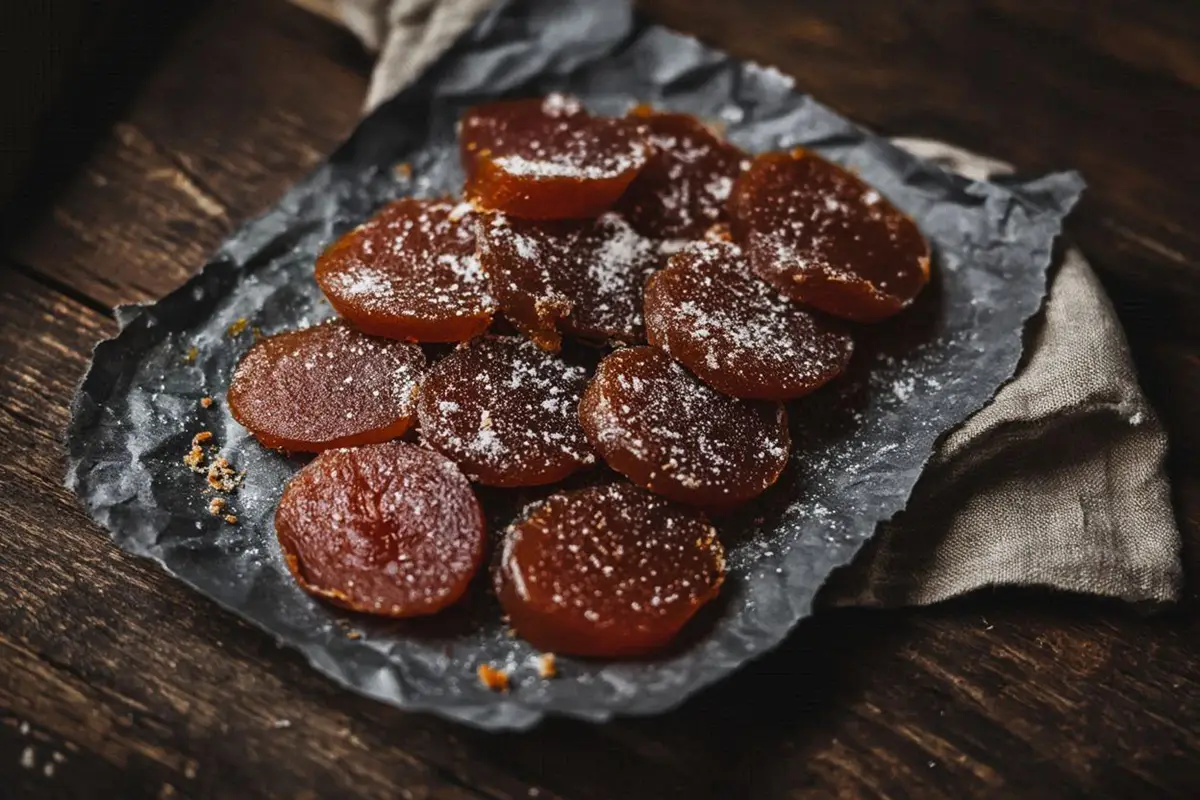
Apricot Fruit Paste
Sieved ripe apricots cooked with equal weight sugar and lemon juice, poured into molds and air-dried — from early 20th century Central European kitchens.
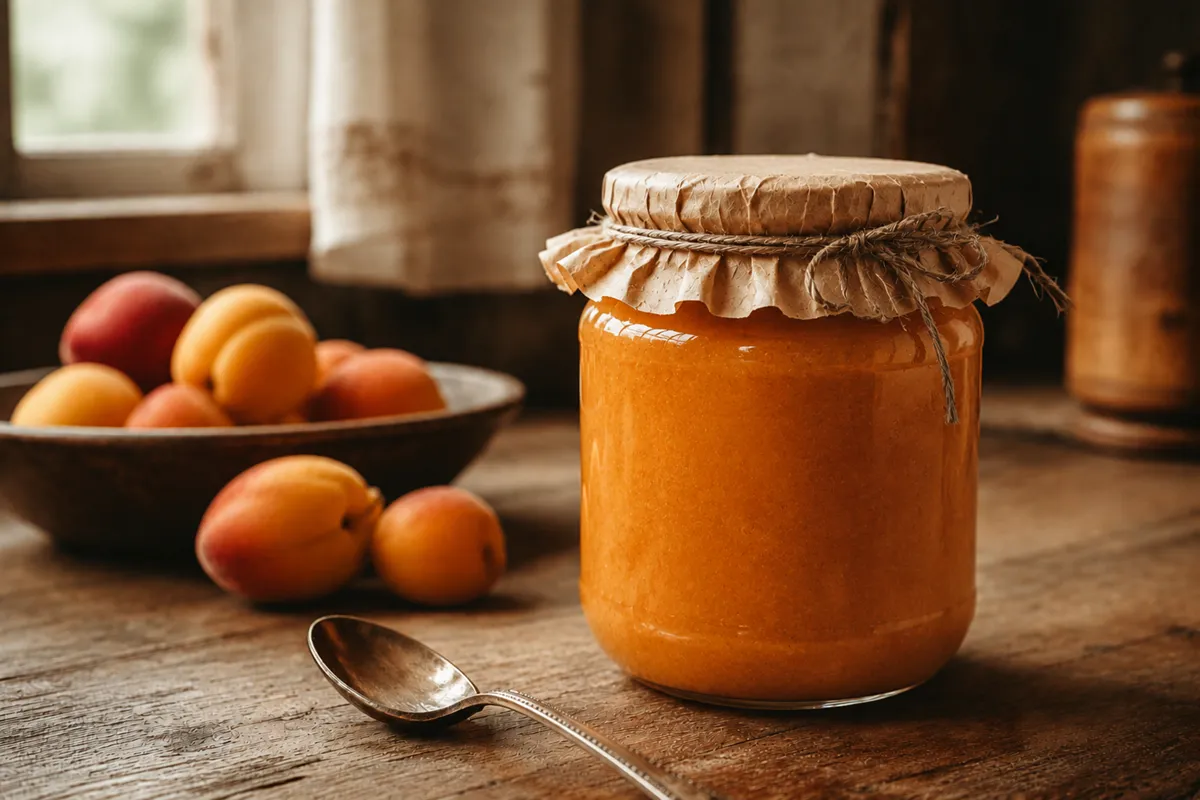
Whipped Apricot or Peach Preserve (No-Cook)
A silky, pale fruit spread made by whipping raw apricot or peach puree with sugar - no cooking required.
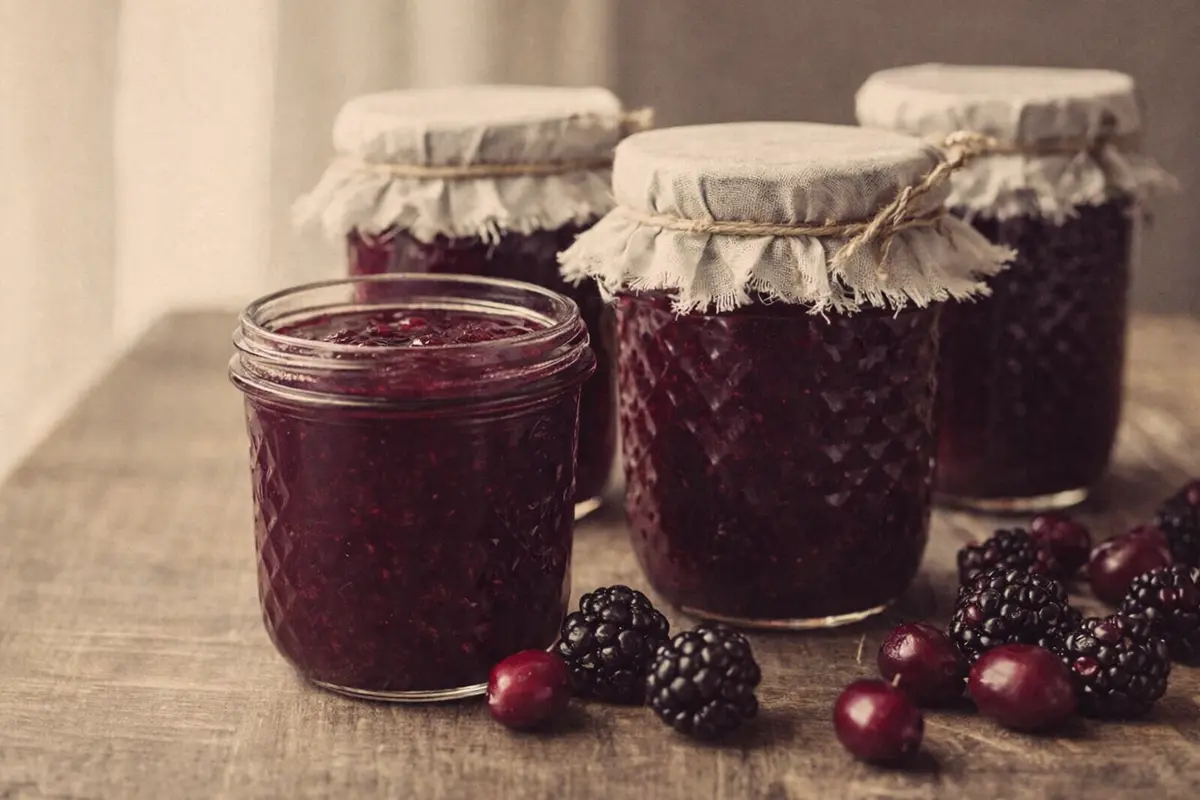
Blackberry and Cornelian Cherry Marmalade
Rich preserve combining tart cornelian cherries with sweet blackberries, cooked to thick consistency with a traditional two-fruit method.