Quince Compote with Baked Cloves
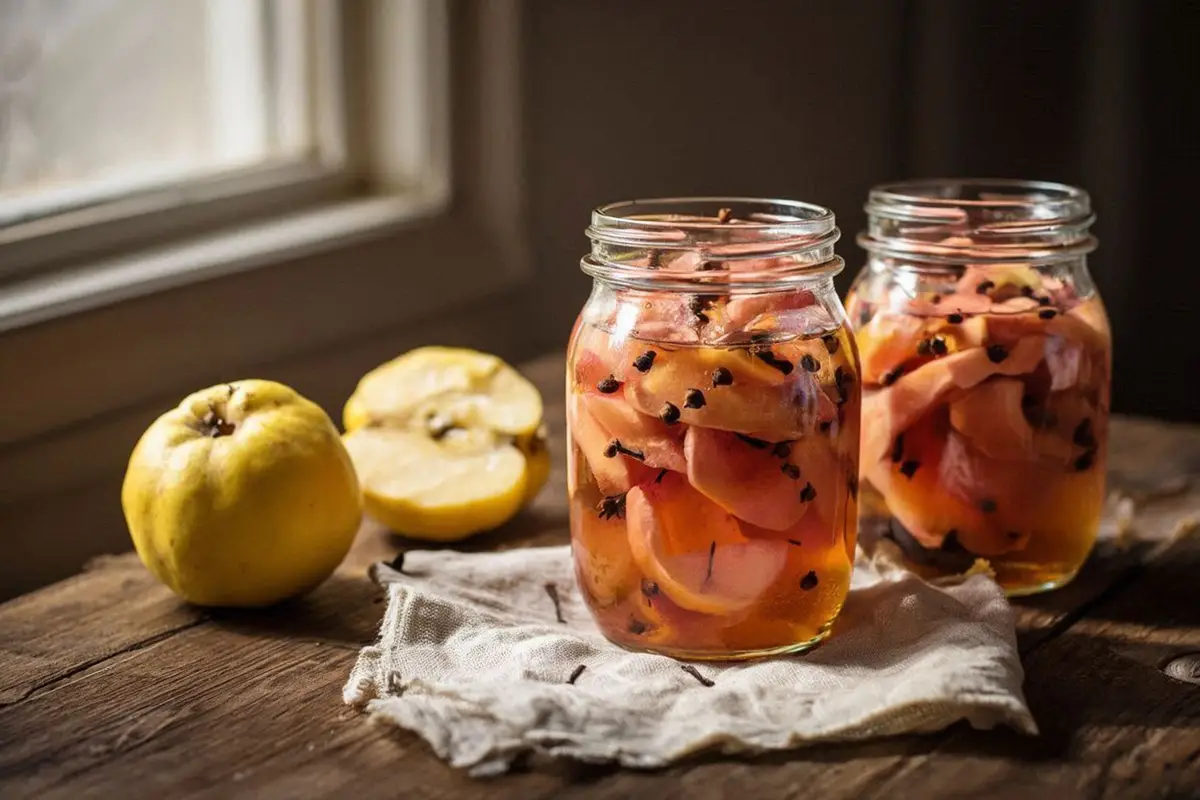
Quinces simmered in sweet-sour syrup with whole cloves — a rosy-pink Central European winter preserve, perfect with roasted meats or aged cheese.
Quick Summary
Quinces simmered in sweet-sour syrup with whole cloves — a rosy-pink Central European winter preserve, perfect with roasted meats or aged cheese.
Historical recipe
Modernised adaptation of an early 20th‑century source. Not independently kitchen-tested by Attic Recipes. Quantities, temperatures, and food safety guidance have been updated for a contemporary kitchen — results may vary and errors may exist. Nutritional values, where provided, are estimates only and have not been laboratory tested. Always follow current food safety guidelines for your region. If you have a health condition, allergy, or dietary requirement, consult a qualified professional before preparing this recipe.
Use of this recipe is entirely at your own risk and subject to our Terms of Service and Privacy Policy. Attic Recipes accepts no liability for any adverse outcome.
- Sulphites
Safety note
Always use fully sterilized jars and lids. Inadequate sterilization can lead to mold or bacterial contamination.
Use a boiling water bath (10 minutes) for fully shelf-stable, modern-standard preservation.
Additional notes
-
Warning
If the syrup appears cloudy, the lid bulges, or contents smell off, discard the entire jar without tasting.
Verify jar seals before storing — lid should not flex when pressed.
-
Caution
High sugar content (51g per 100g serving). Not suitable for those with diabetes or insulin sensitivity in large quantities.
Serve in small portions as a condiment rather than a side dish.
-
Note
Use only a wooden or plastic spoon when removing fruit from the jar — metal can react with the acidic syrup.
- 1
Sterilize jars: heat in oven at 120°C (250°F) for 15 minutes, or boil in water for 10 minutes. Keep warm until use.
- 2
Peel, core, and slice the quinces into even pieces roughly 1–2 cm thick. Place immediately in cold water with a squeeze of lemon juice to prevent browning.
- 3
Insert one whole clove into the flesh of each quince slice.
- 4
Combine the sugar, water, and wine vinegar in a large pot. Bring to a boil, stirring until sugar fully dissolves.
- 5
Add the quince slices to the boiling syrup. Simmer until semi-soft — tender when pierced but not falling apart, approximately 20–40 minutes. Test by piercing the thickest slice; there should be slight resistance at the center.
- 6
Using a slotted spoon, pack the quince slices immediately into warm sterilized jars.
- 7
Pour the hot syrup over the quinces, leaving 1–1.5 cm headspace. Syrup must cover all fruit completely.
- 8
Seal jars tightly while still hot. Cool completely at room temperature, then store in a cool, dark place.
Nutrition Information per 100g drained fruit with syrup
Nutritional values are approximate estimates and may vary based on specific ingredients used, preparation methods, and portion sizes.
Serving Suggestions
Serve cold alongside roasted pork, duck, or game — the sweet-sour syrup cuts through rich fats beautifully. Excellent on a cheese board with aged Manchego or sharp Cheddar. Spoon over thick Greek yogurt or vanilla ice cream, or warm gently and serve over roasted chicken in the last 10 minutes of cooking.
About This Recipe
Quinces are one of those fruits that demand patience. Raw, they are hard and astringent — almost inedible. But place them in a simmering syrup and something remarkable happens: the flesh softens, the color deepens from pale yellow to rosy gold, and the flavor opens into something fragrant and complex. This recipe is one of the simplest and most honest ways to preserve quinces for winter: sugar, water, wine vinegar, and cloves — nothing more.
Why It Works
The wine vinegar does two things at once: it keeps the sweetness in check and drives the syrup’s pH low enough to meaningfully inhibit spoilage. The cloves, inserted directly into each slice, infuse the fruit slowly from within rather than simply perfuming the syrup. Over weeks in the jar, the flavors mellow and marry — this compote genuinely improves with time.
Canning Safety
Early 20th century recipes relied on the hot-seal method — filling jars while boiling hot and sealing immediately. This works, but for modern shelf-stable storage, a 10-minute boiling water bath after sealing is strongly recommended. Always check that lids are concave (sealed) before storing. Any jar with a bulging lid, cloudy syrup, or off smell should be discarded without tasting.
A classic of early 20th century home cooking, preserved and adapted for the modern kitchen.
The Story Behind This Recipe
Historical Context
Quinces were among the most prized autumn fruits in early 20th century Central European households. Raw quinces are too astringent to eat fresh, so nearly every household had a method of preserving them through winter. The sugar-vinegar combination was a practical solution before refrigeration — acidity helped preserve the fruit while creating a pleasant sweet-sour balance. Whole cloves were a luxury spice that signaled care and occasion.
Modern Kitchen Adaptation
For modern shelf-stable storage, process sealed jars in a boiling water bath for 10 minutes. The original recipe relies on the hot-seal method common before modern canning standards. The vinegar content provides meaningful acidity, significantly reducing botulism risk. Refrigerate after opening and consume within 3–4 weeks.
This recipe is an independent modern adaptation developed from historical sources in the public domain. It is provided for informational and educational purposes only and does not constitute professional dietary, nutritional, or medical advice. Food preparation involves inherent risks. The reader assumes full responsibility for safe food handling, ingredient sourcing, and adherence to current local food safety guidelines. The site operator accepts no liability for outcomes resulting from the preparation or consumption of this recipe.
One recipe.
Every week.
You Might Also Like
More recipes from the same category
Apricot Fruit Paste
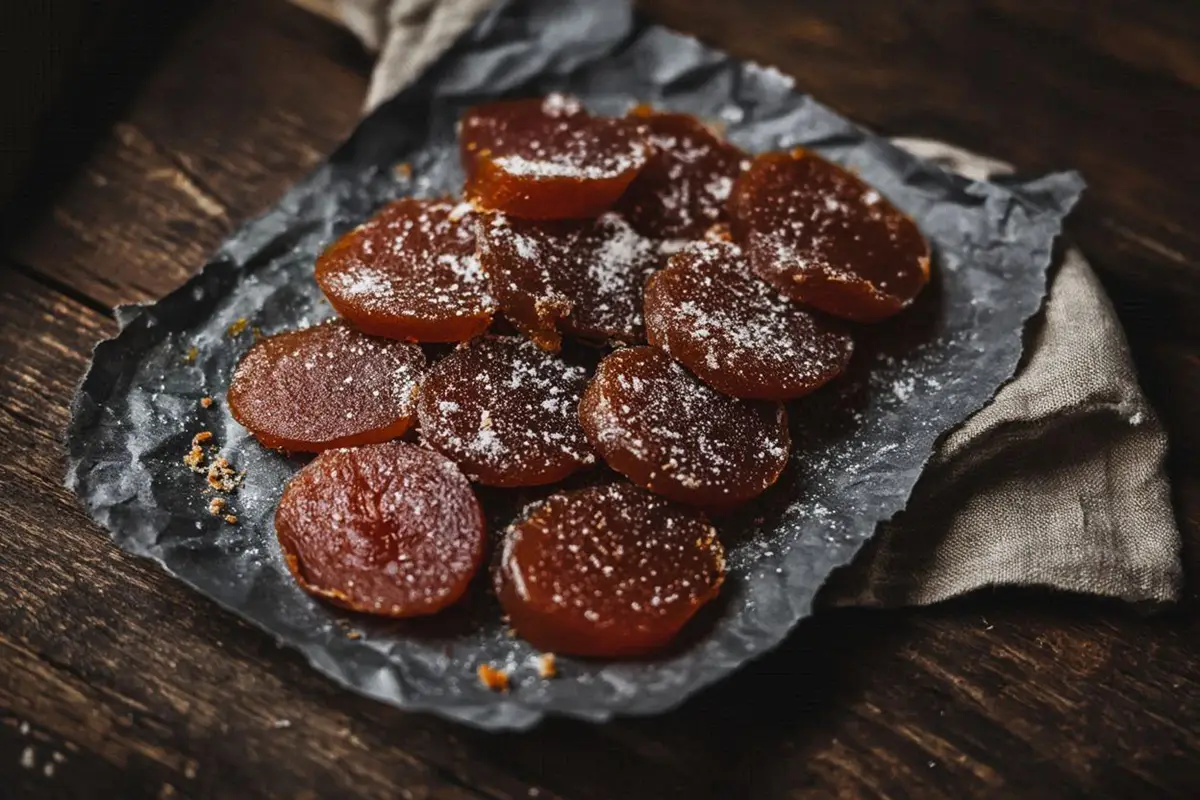
Sieved ripe apricots cooked with equal weight sugar and lemon juice, poured into molds and air-dried — from early 20th century Central European kitchens.
Whipped Apricot or Peach Preserve (No-Cook)
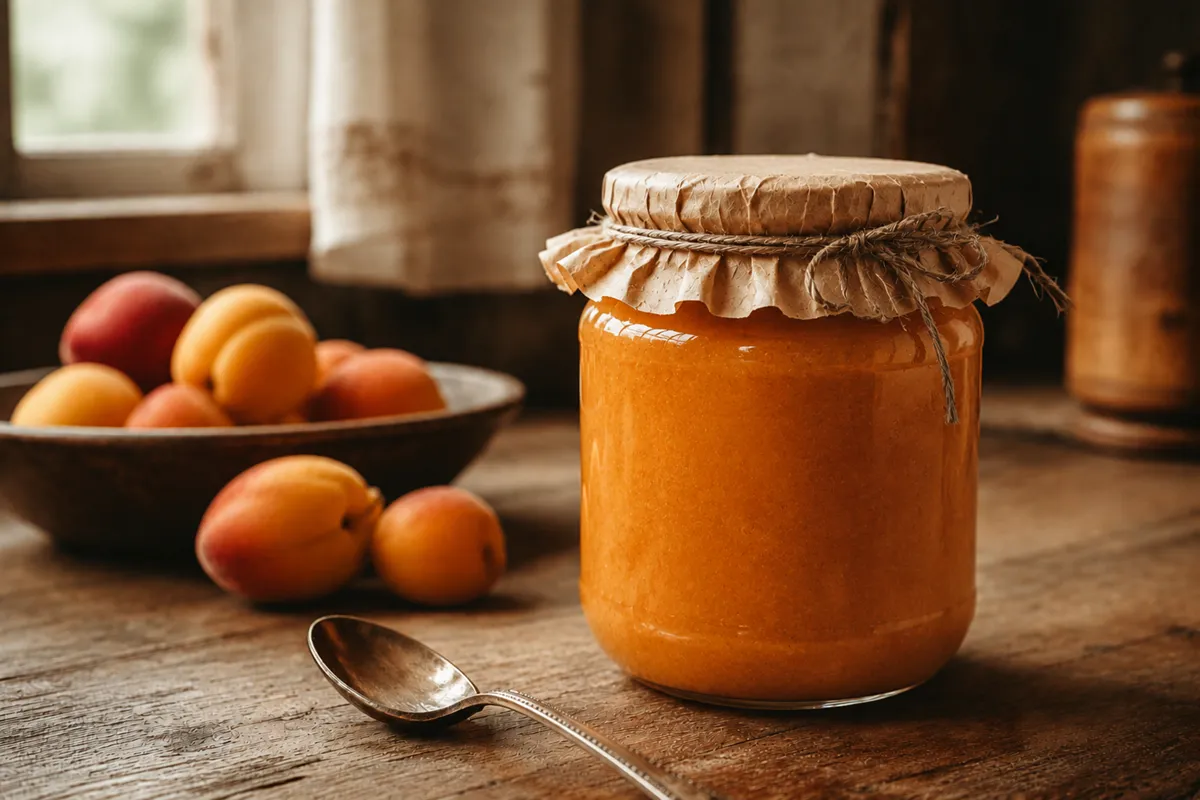
A silky, pale fruit spread made by whipping raw apricot or peach puree with sugar - no cooking required.
Blackberry and Cornelian Cherry Marmalade
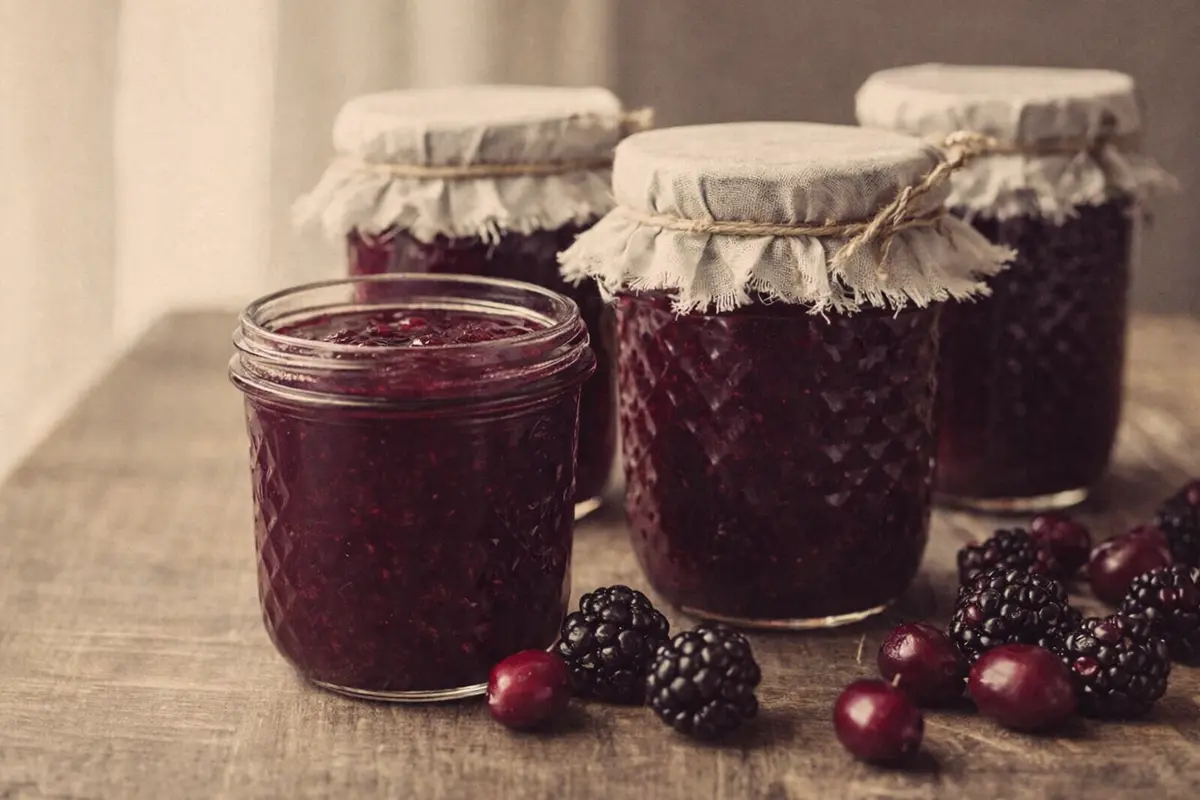
Rich preserve combining tart cornelian cherries with sweet blackberries, cooked to thick consistency with a traditional two-fruit method.