Steamed Sauerkraut with Eggs
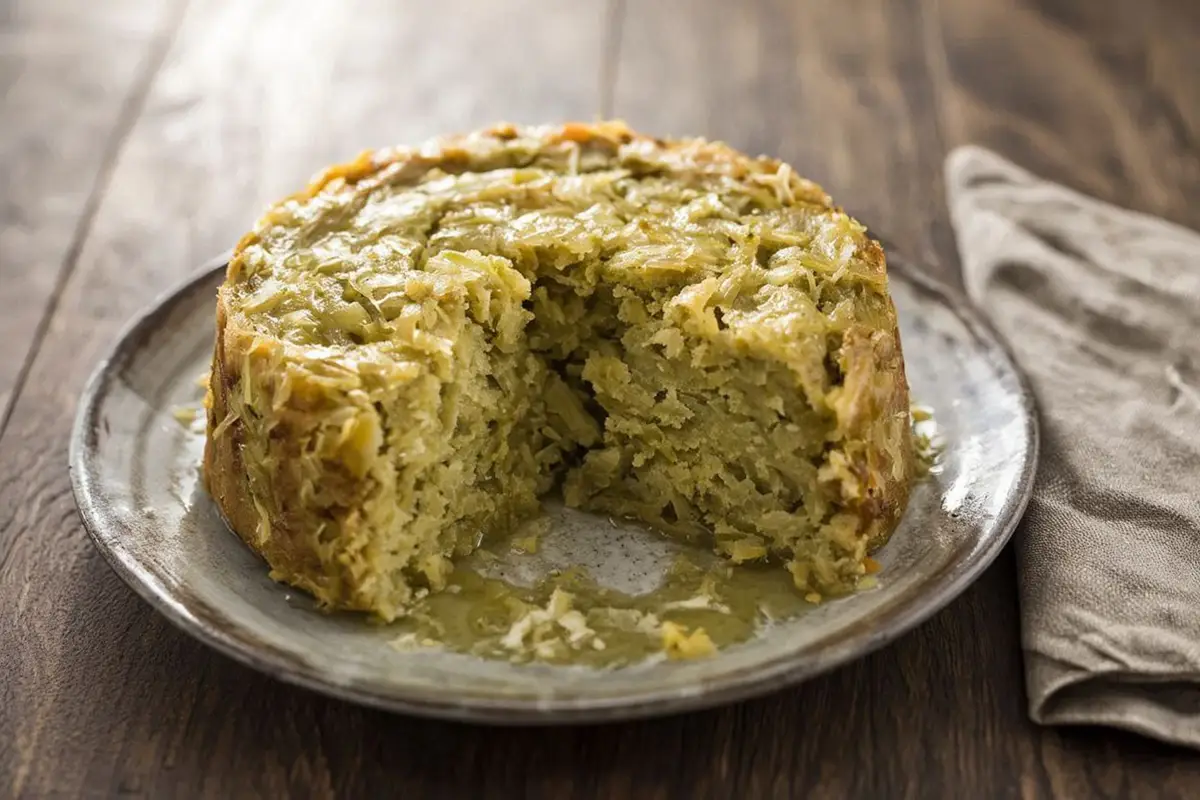
A light sauerkraut pudding — sauerkraut folded into a buttery egg mixture and steamed in a mold for 30 minutes, finished with hot butter.
Quick Summary
A light sauerkraut pudding — sauerkraut folded into a buttery egg mixture and steamed in a mold for 30 minutes, finished with hot butter.
Historical recipe
Modernised adaptation of an early 20th‑century source. Not independently kitchen-tested by Attic Recipes. Quantities, temperatures, and food safety guidance have been updated for a contemporary kitchen — results may vary and errors may exist. Nutritional values, where provided, are estimates only and have not been laboratory tested. Always follow current food safety guidelines for your region. If you have a health condition, allergy, or dietary requirement, consult a qualified professional before preparing this recipe.
Use of this recipe is entirely at your own risk and subject to our Terms of Service and Privacy Policy. Attic Recipes accepts no liability for any adverse outcome.
- Dairy
- Eggs
- Gluten
Additional notes
-
Warning
Sodium content is elevated (approximately 510mg per serving) due to the fermented sauerkraut base. Boiling and pressing the sauerkraut reduces sodium significantly compared to using it raw, but the dish remains relatively high in sodium. Those managing hypertension or kidney disease should be aware.
Boil the sauerkraut in unsalted water and rinse once after draining to further reduce sodium. Do not add any additional salt to the mixture.
-
Warning
Contains egg whites and yolks. The steaming method fully cooks the eggs — internal temperature should reach at least 74°C (165°F). Ensure the pudding is fully set before serving (skewer test).
Use a probe thermometer to confirm the centre has reached safe temperature if serving to elderly, pregnant, or immunocompromised individuals.
-
Caution
Contains gluten (flour) and dairy (butter). Major allergens: gluten, dairy, egg.
Substitute with gluten-free flour for the binding. Dairy-free butter alternatives will affect the flavour significantly — this is a butter-forward preparation.
-
Note
Sauerkraut is a fermented food and a natural source of probiotics and vitamin K. The boiling step in this recipe will reduce the probiotic content — this is unavoidable given the cooking process. For probiotic benefit, sauerkraut is best consumed raw or unheated.
- 1
Separate the sauerkraut leaves and boil in lightly salted water until tender, approximately 20–25 minutes. Drain thoroughly — press firmly in a colander to remove as much liquid as possible. Allow to cool slightly, then pass through a meat grinder or mince very finely with a knife.
Tip Removing moisture is the most critical step. A wet sauerkraut mixture will produce a heavy, dense pudding. After pressing in the colander, wrap the minced cabbage in a clean kitchen towel and squeeze again. The drier the better. - 2
In a large bowl, beat the 4 egg yolks with the softened butter until pale and creamy. Add the flour, a little pepper, and mix well.
Tip The butter should be genuinely soft — not melted, not cold. Softened butter incorporates into the yolks smoothly and gives the pudding a more even texture. - 3
Add the minced sauerkraut to the yolk-butter mixture. Mix thoroughly. Taste carefully before adding salt — the sauerkraut will already carry significant saltiness from fermentation.
- 4
In a separate clean bowl, whisk the 4 egg whites to stiff peaks. Fold gently into the sauerkraut mixture in three stages, using a large spatula with a light lifting motion. Do not stir — folding preserves the air that will make the pudding light.
Tip The egg whites are what gives this dish its character — it should be noticeably lighter and more delicate than a simple baked preparation. Take care not to deflate them during folding. - 5
Grease a pudding mold (1–1.5 litre capacity) generously with butter. Fill with the sauerkraut mixture — do not fill more than ¾ full, as the mixture will expand slightly during steaming. Cover tightly with the lid or a double layer of foil secured with kitchen string.
- 6
Place the mold on a rack or folded kitchen towel inside a large pot. Add enough boiling water to come halfway up the sides of the mold. Cover the pot with a tight-fitting lid. Steam over a steady medium-low simmer for 30 minutes.
Tip The water must simmer steadily throughout — not boil vigorously (which can cause the mold to tip) and not drop below a simmer (which will undercock the pudding). Check the water level every 10 minutes and top up with boiling water if needed. - 7
After 30 minutes, test by inserting a skewer into the centre — it should come out clean with no wet batter. Remove the mold from the pot and allow to rest for 5 minutes before unmolding.
- 8
Run a thin knife around the edge of the mold. Place a warm serving plate upside down over the mold, then invert firmly. The pudding should release cleanly. Immediately pour the hot melted butter over the top and serve.
Nutrition Information per 1 portion (approx. 180g)
Nutritional values are approximate estimates and may vary based on specific ingredients used, preparation methods, and portion sizes.
Serving Suggestions
Served as a refined side dish alongside pork roast, sausages, or smoked meats — the natural companions to sauerkraut. Also works well alongside duck or goose. Serve immediately after unmolding — the pudding is at its best when the butter is still sizzling.
About This Recipe
This is one of the more unexpected recipes in the collection — sauerkraut, transformed by a technique borrowed from the British and Central European pudding tradition into something light, airy, and genuinely elegant. The fermented cabbage is boiled, pressed dry, minced fine, folded into a butter-and-egg mixture with stiff whites for lift, and steamed in a covered mold for half an hour. The result unmolds cleanly onto a warm plate and arrives at the table glistening with hot butter.
It is a dish that surprises people. Sauerkraut — usually sharp, sour, and assertive — becomes mild and delicate after boiling, pressing, and mincing. The whipped egg whites lift it into something almost soufflé-like in texture. The hot butter finish is not optional.
Why It Works
The technique is borrowed from the savory steamed pudding tradition common across Central Europe and Britain in the 19th and early 20th centuries. The batter goes into covered molds which are lowered onto a rack set inside a big pot, hot water is added, the lid is secured, and the dish cooks in a steamy environment. The enclosed, humid heat cooks the mixture gently and evenly from all sides without the direct heat of an oven, which would dry the exterior before the centre is set.
The two-stage egg treatment is essential. The yolks, beaten with butter, provide richness and structure. The whites, whipped to stiff peaks and folded in at the end, provide the lightness that distinguishes this from a dense, heavy preparation. Neither stage can be skipped without significantly changing the character of the dish.
The Equipment Explained
A pudding mold is a deep metal container with a tight-fitting lid and sometimes a central tube (like an angel food cake pan) for even heat distribution. The lid locks in moisture and prevents water from entering; the center tube ensures even heat distribution for faster cooking times.
If you do not have one, the dish can be made in any heatproof ceramic bowl or deep baking dish, covered tightly with two layers of foil secured with kitchen string. The improvised version works perfectly well — it simply lacks the decorative fluted sides of a traditional mold.
Troubleshooting
- Pudding not releasing from mold: Run a thin, flexible knife fully around the edge before inverting. If still sticking, lower the mold briefly into hot water for 30 seconds to loosen.
- Pudding dense and heavy: The egg whites were either under-whipped or deflated during folding. Ensure whites reach stiff peaks and fold with a slow lifting motion, not a stirring one.
- Water boiling dry during steaming: The simmer was too vigorous, or the pot too small. Check every 10 minutes and top up with boiling water from a kettle — never cold water, which will interrupt the steam.
A classic of early 20th century home cooking, preserved and adapted for the modern kitchen.
The Story Behind This Recipe
Historical Context
Savory steamed puddings — prepared in covered metal molds set in a bain-marie — were a standard technique in Central European bourgeois kitchens of the early 20th century, used for both sweet and savory preparations. The same method that produced Christmas puddings and sweet Dampfnudeln was applied here to sauerkraut, transforming a fermented preserving staple into an elegant, unmolded side dish worthy of a formal table. The use of separated eggs — yolks beaten with butter for richness, whites whipped to stiff peaks for lightness — reflects the period's sophisticated understanding of egg cookery and its application to textural refinement in vegetable dishes.
Modern Kitchen Adaptation
On the steaming technique — the original calls for steaming in a mold: a lidded pudding mold (1–1.5L) set inside a large pot with boiling water reaching halfway up its sides. If a dedicated pudding mold is unavailable, any deep ceramic or heatproof glass bowl can be used; cover tightly with two layers of foil secured with kitchen string. Simpler alternative — oven baked: the same mixture can be baked in a buttered ovenproof dish at 180°C / 160°C fan (350°F) for 30–35 minutes in a bain-marie. The result will be slightly less delicate but equally delicious. On sauerkraut saltiness — sauerkraut varies significantly depending on the producer and fermentation time; always taste the mixture before adding any salt. On fat — the original uses butter throughout, which is correct and should not be substituted. This is a delicate preparation that relies on butter for both flavour and texture.
This recipe is an independent modern adaptation developed from historical sources in the public domain. It is provided for informational and educational purposes only and does not constitute professional dietary, nutritional, or medical advice. Food preparation involves inherent risks. The reader assumes full responsibility for safe food handling, ingredient sourcing, and adherence to current local food safety guidelines. The site operator accepts no liability for outcomes resulting from the preparation or consumption of this recipe.
One recipe.
Every week.
You Might Also Like
More recipes from the same category
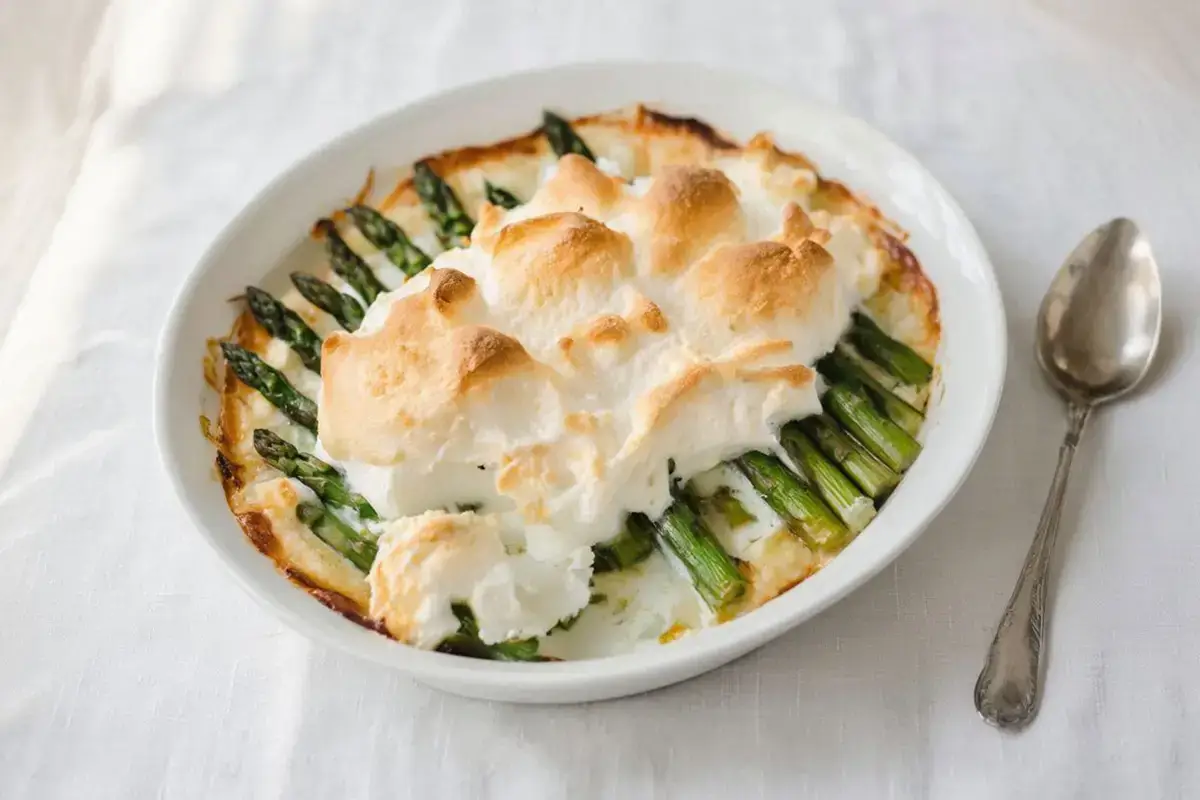
Asparagus Venetian Style
Fresh asparagus baked under a rich egg yolk cream sauce and a golden meringue-cheese topping. An elegant Central European appetizer.
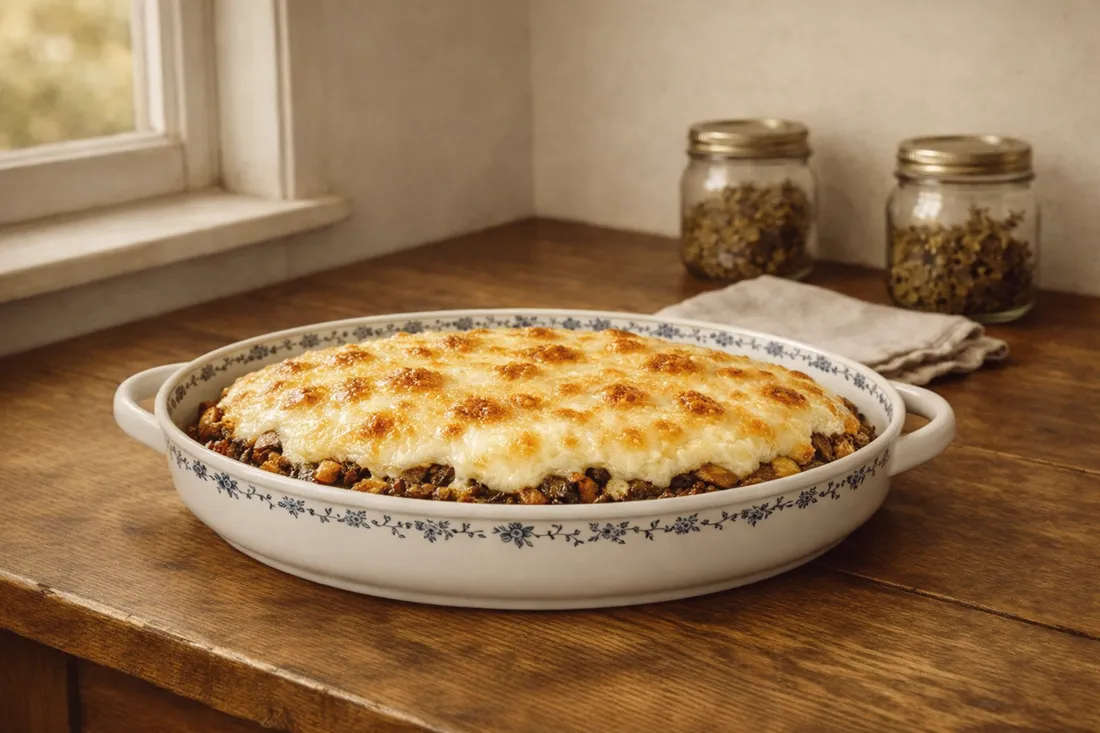
Baked Mushrooms with Hard Cheese and Eggs
Layers of sliced hard-boiled eggs and grated cheese topped with sautéed mushrooms, baked under a rich egg-enriched sour cream topping.
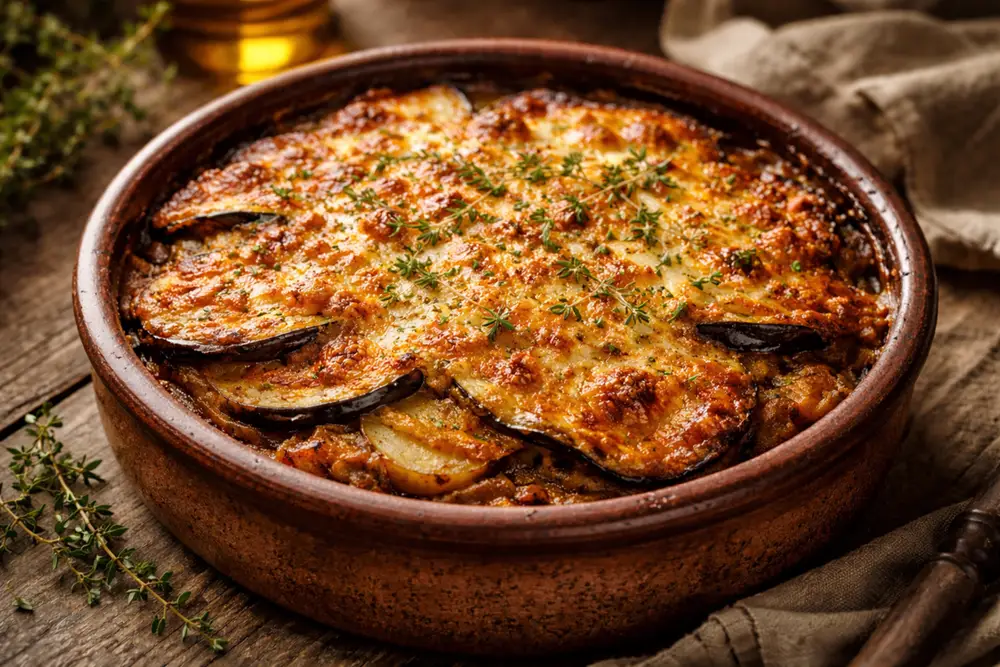
Baked Eggplant with Potatoes
A slow-baked layered casserole of eggplant, parboiled potatoes, golden fried onion, and melted cheese.