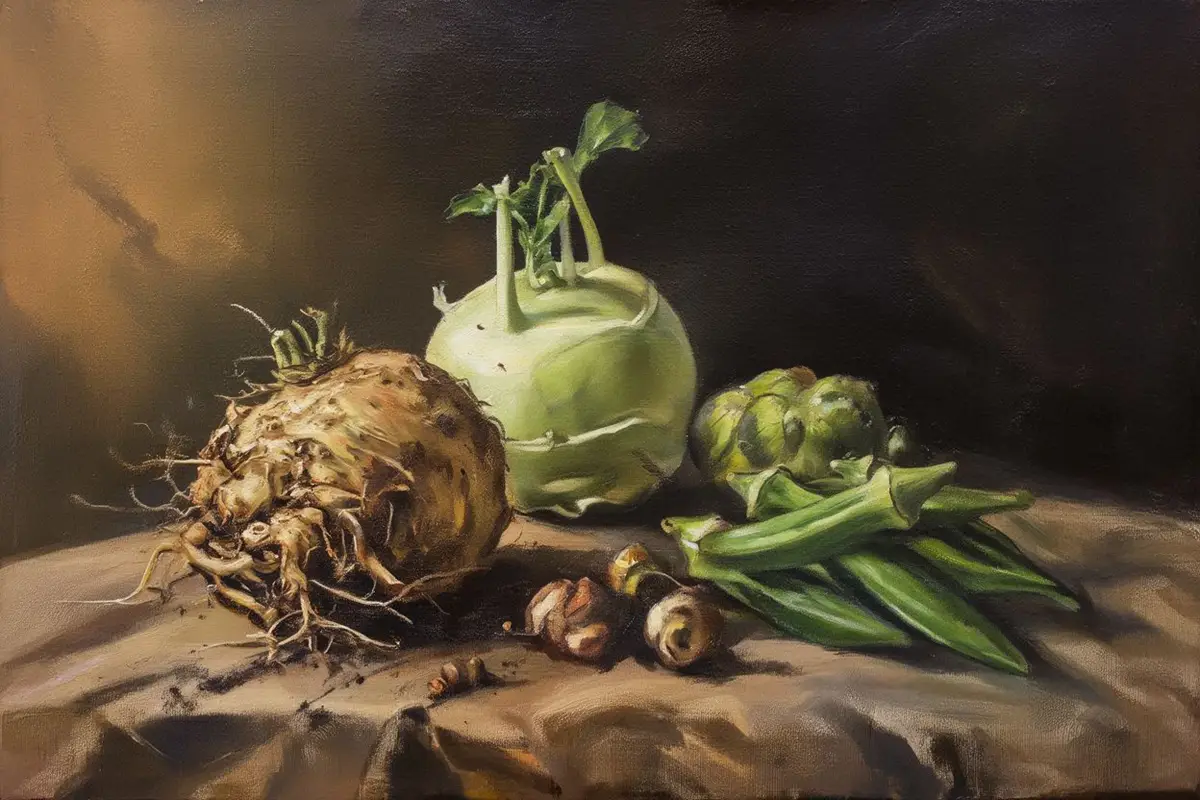
Five Unusual Vegetables Worth Buying (and Eating)
Celeriac, kohlrabi, okra, Jerusalem artichoke, chayote — five vegetables left on the shelf. What they are, how they taste, and how to cook them.
The Attic Recipes Blog
Ingredient guides, cooking techniques, and food history.
Celeriac, kohlrabi, okra, Jerusalem artichoke, chayote — five vegetables left on the shelf. What they are, how they taste, and how to cook them.

Old recipes are not incomplete. They assume kitchen competence. Learning to decode the gaps makes these books remarkably precise.
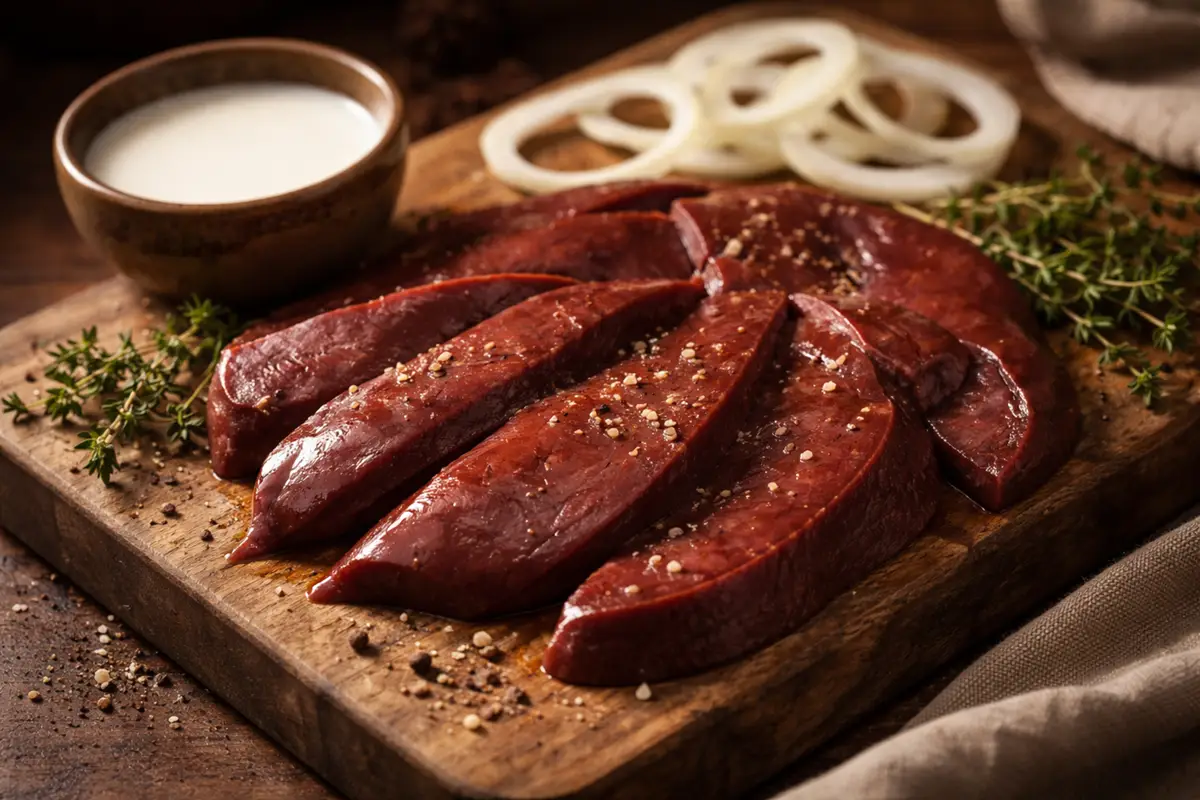
Beef liver is one of the most nutrient-dense foods on earth. Here is what the science says, how to handle it, and how to make it taste good.
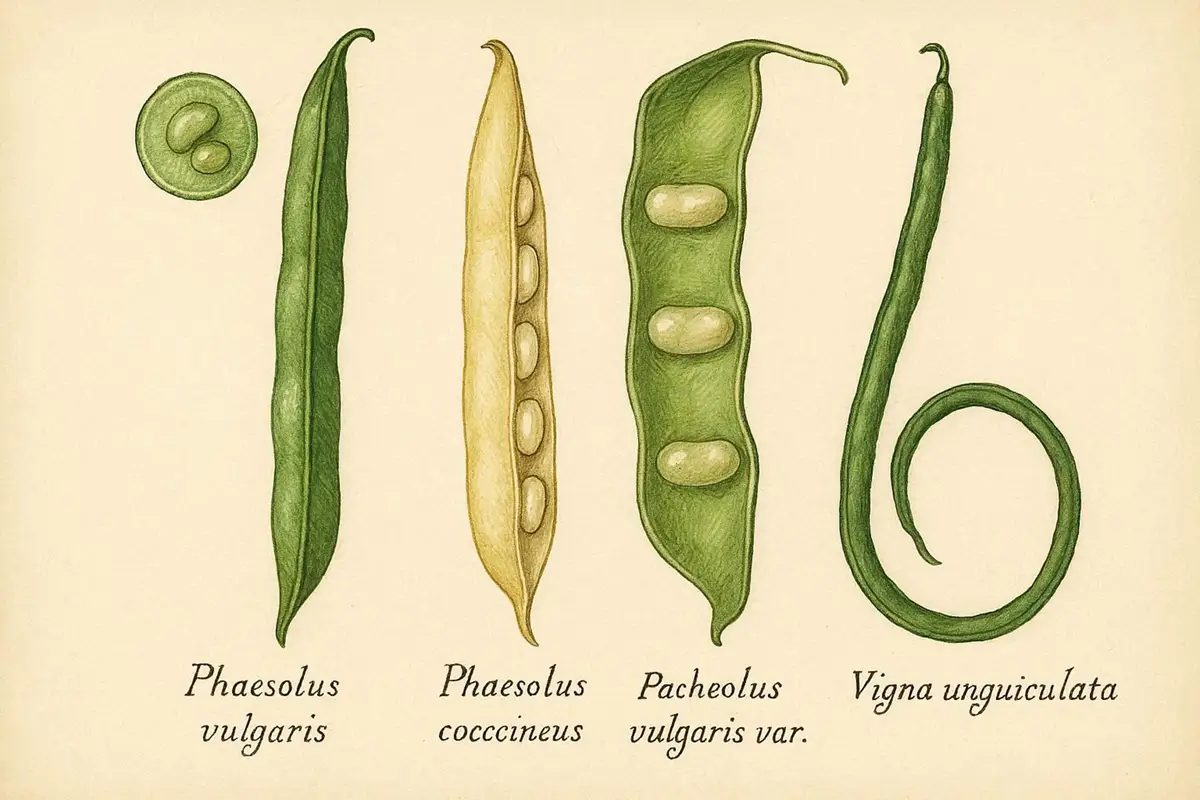
What is the actual difference between yellow wax beans and green beans? And what about those long, flat ones? A cook's guide to bean varieties.
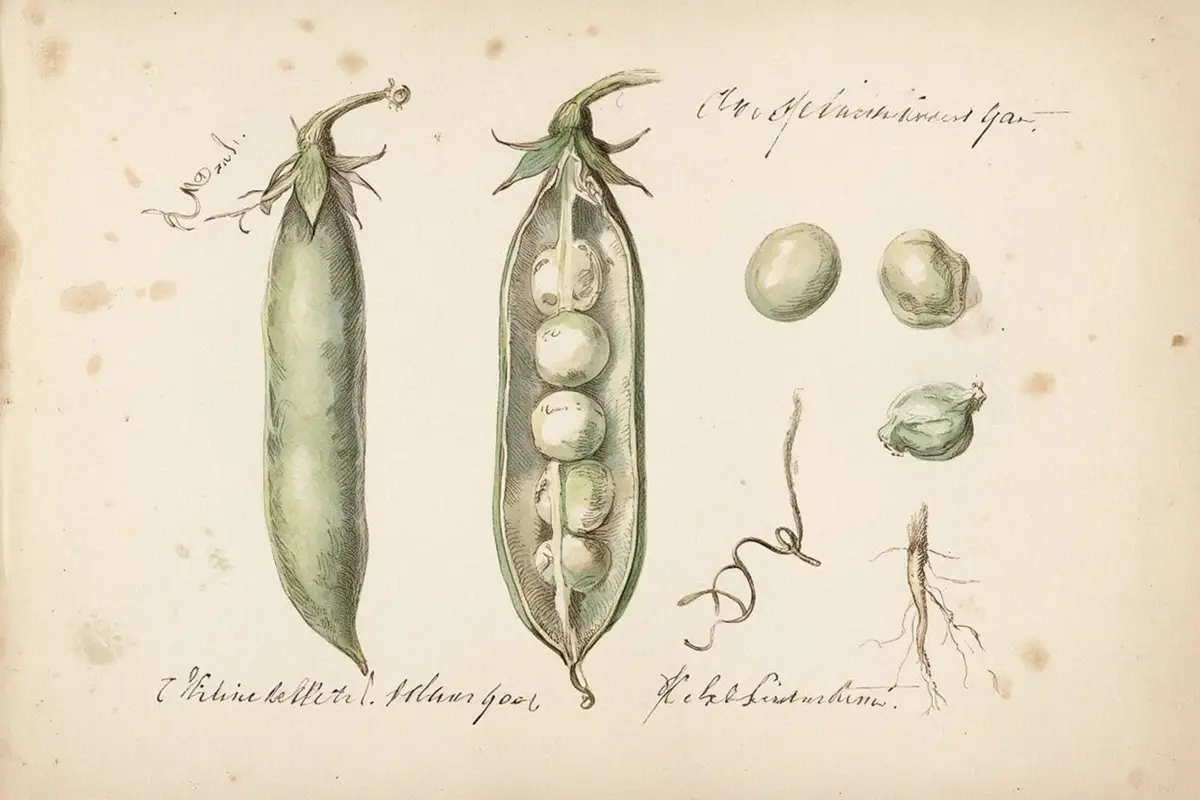
Fresh peas convert sugar to starch within hours of harvest. Here is the science, what to look for at the market, and when frozen peas are the better choice.
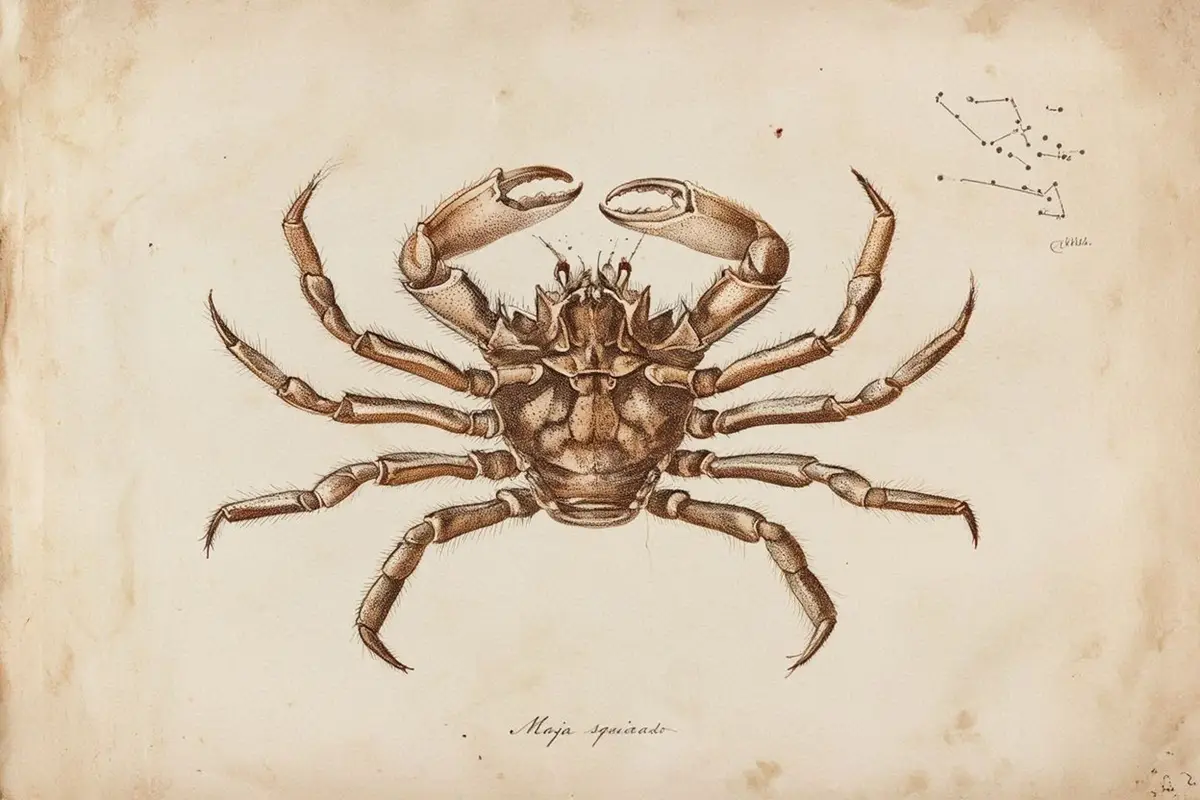
From Greek mythology to Adriatic fish markets — the surprisingly rich cultural history of the crab, plus a practical guide to cleaning spider crabs at home.
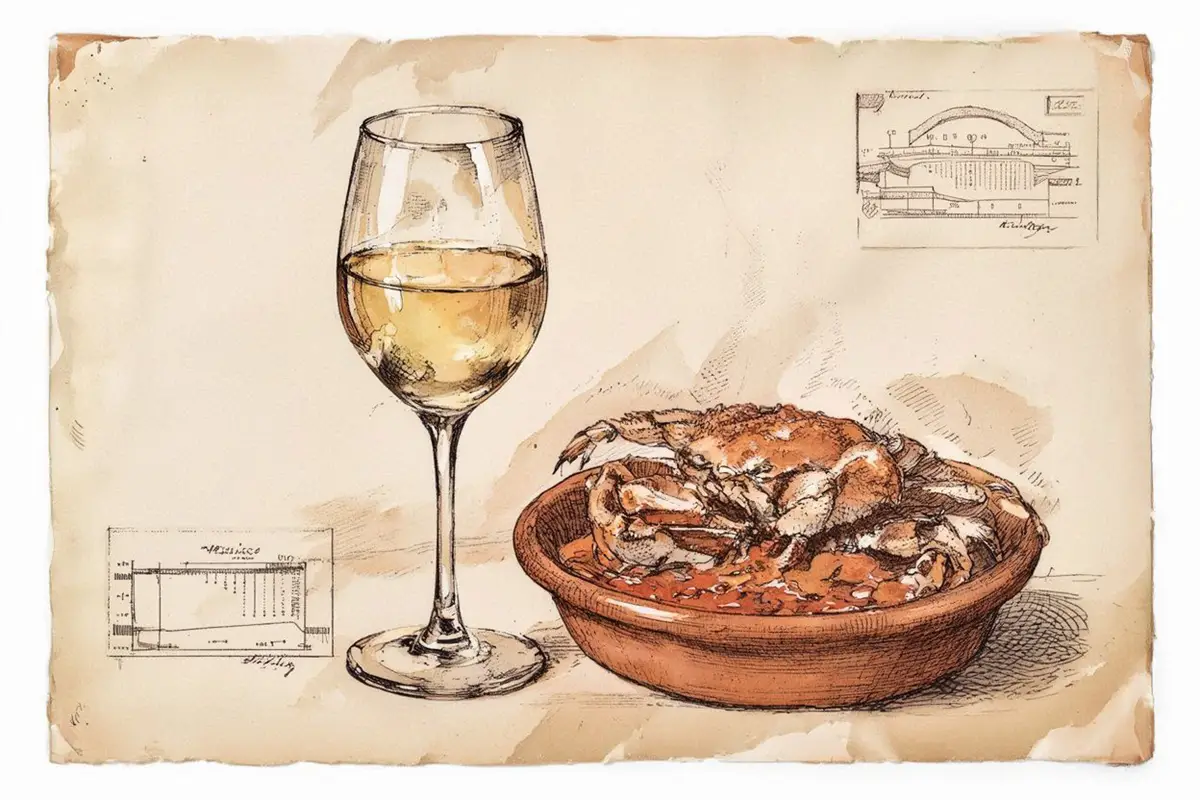
How to choose wine for crab and seafood dishes by understanding acidity, body, and tannins — without memorizing a single brand name.
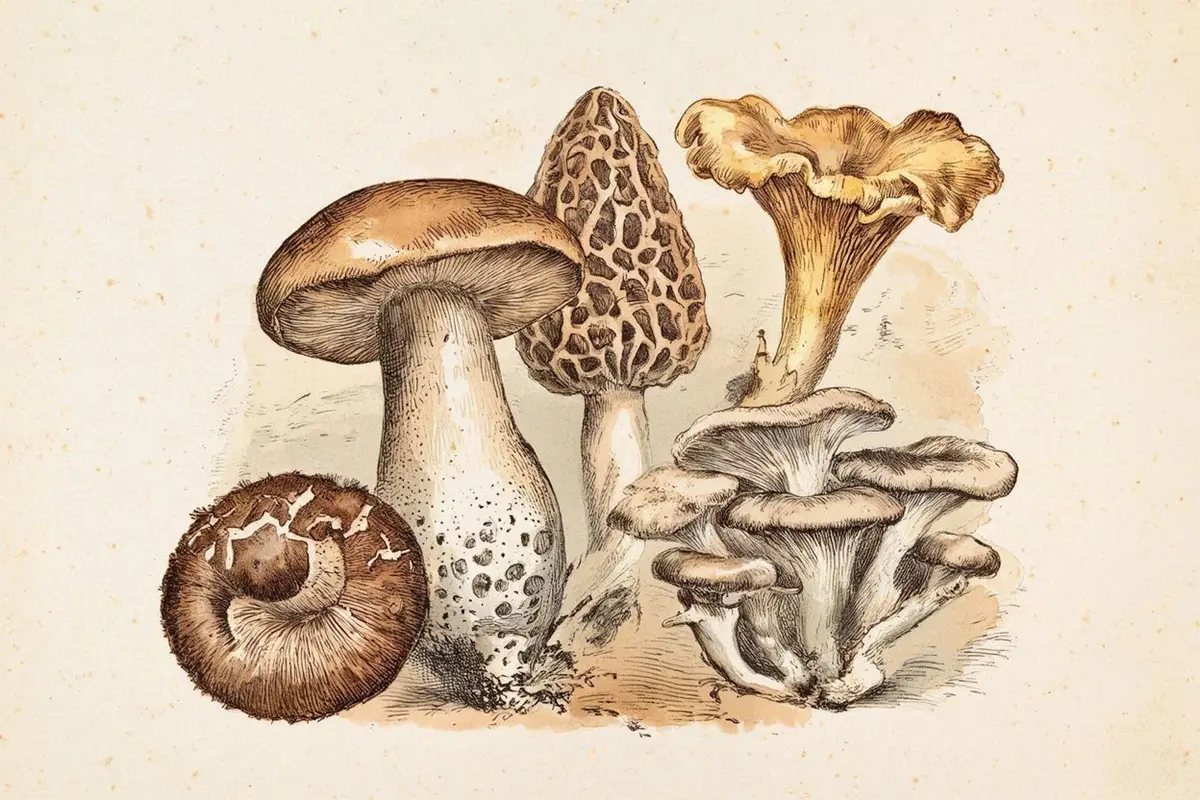
A culinary and scientific overview of the world's most notable edible mushrooms by continent — from European porcini to Australian saffron milk caps.
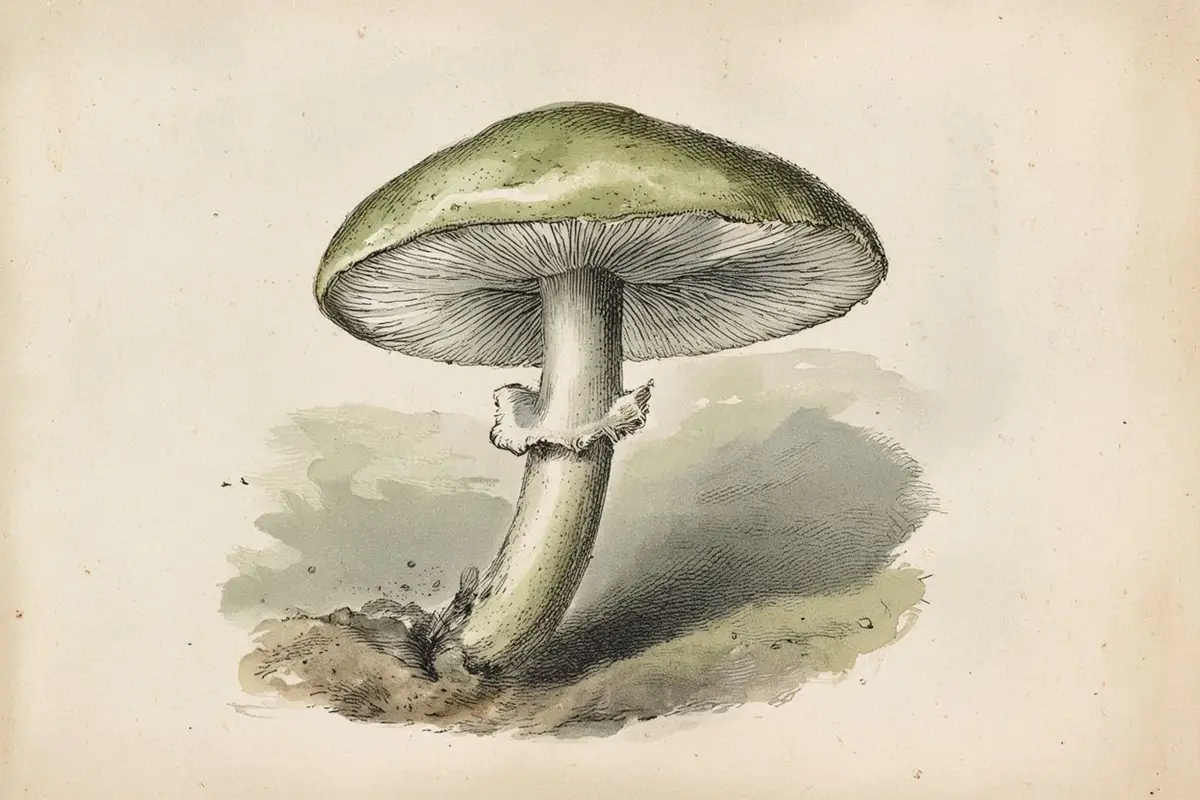
The world's most dangerous toxic mushroom species by continent — their toxins, symptoms, and why expert identification is essential.